DIY vs Pro / Problems
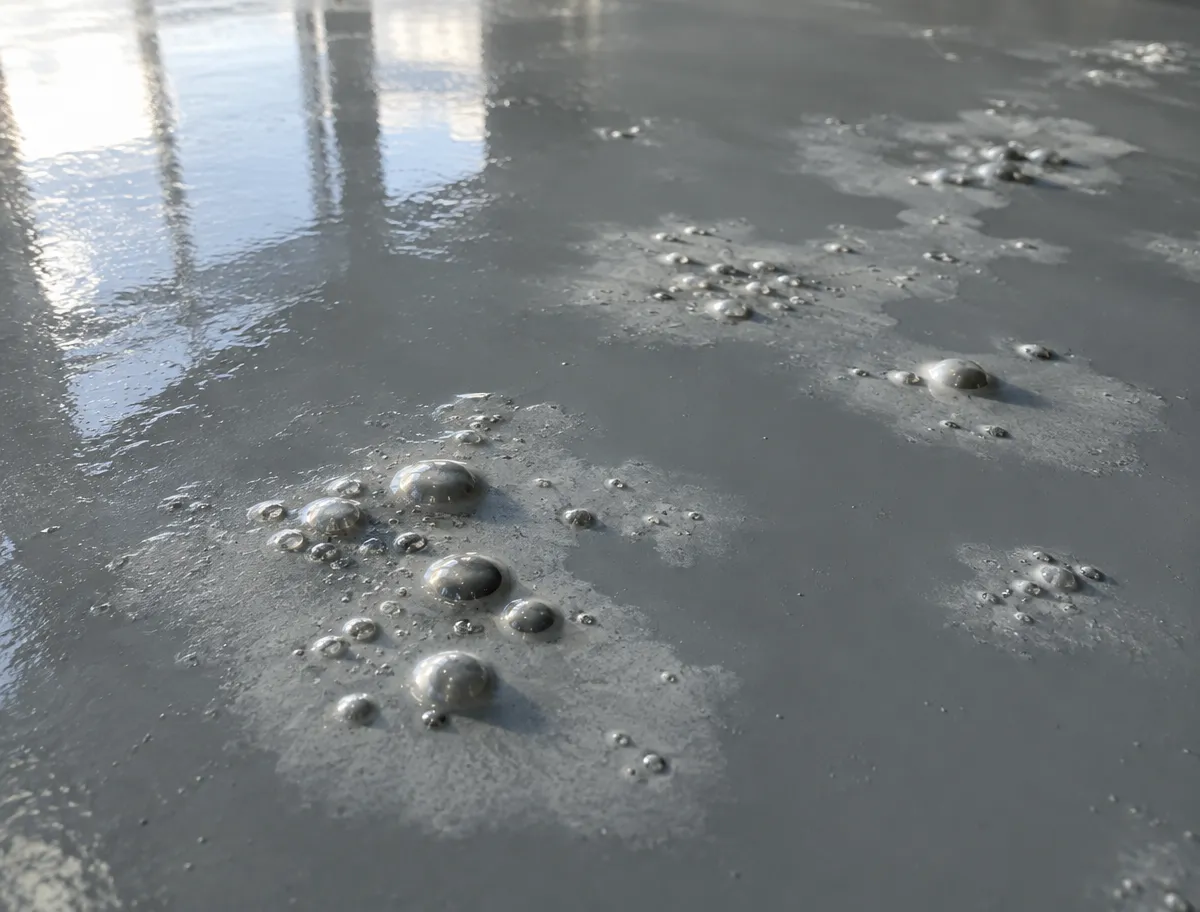
What Causes Epoxy Floor Bubbles, and How Do Pros Prevent Them?
Quick Answer: Epoxy floor bubbles usually come from outgassing: air or moisture vapor escaping from the pores of the concrete while the coating is still

Quick Answer: Epoxy floor bubbles usually come from outgassing: air or moisture vapor escaping from the pores of the concrete while the coating is still
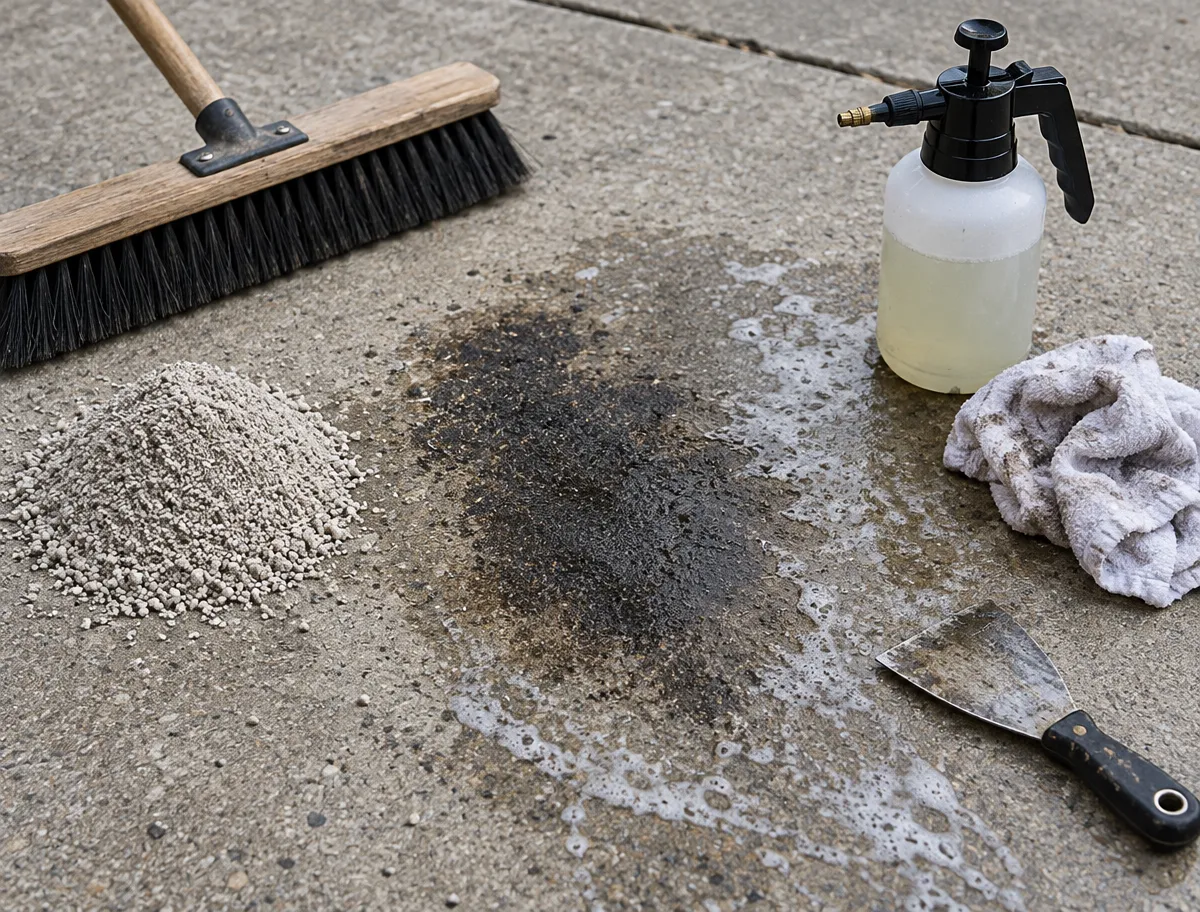
Quick Answer: To remove oil stains from concrete, act in five steps: blot up any pooled oil, cover the spot with an absorbent such as
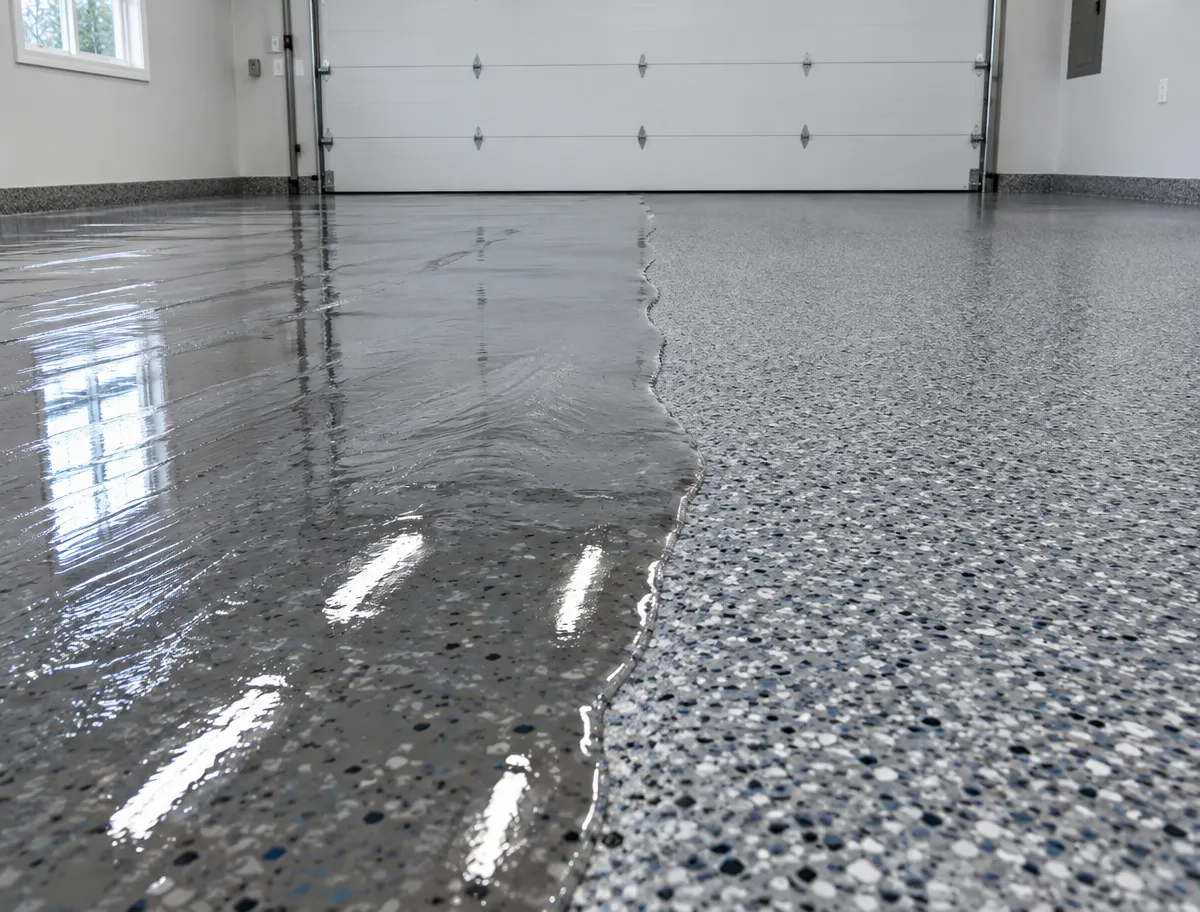
Quick Answer: Epoxy cure time is usually measured in days, while polyaspartic systems are measured in hours. With the polyurea-polyaspartic system Specialty Concrete Coatings installs,
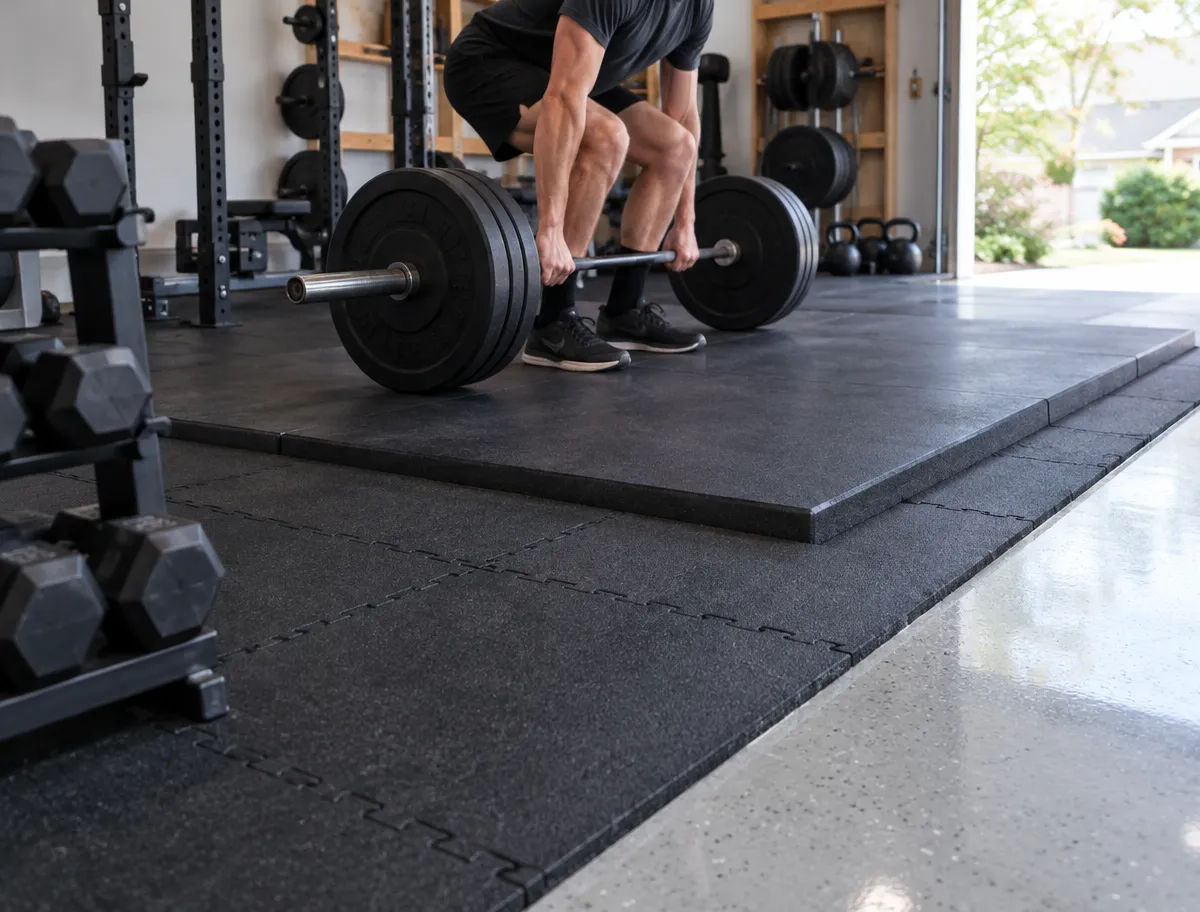
Quick Answer: For most homeowners, the best garage gym flooring is a coated concrete slab with rubber added only where you lift. A polyurea-polyaspartic coating
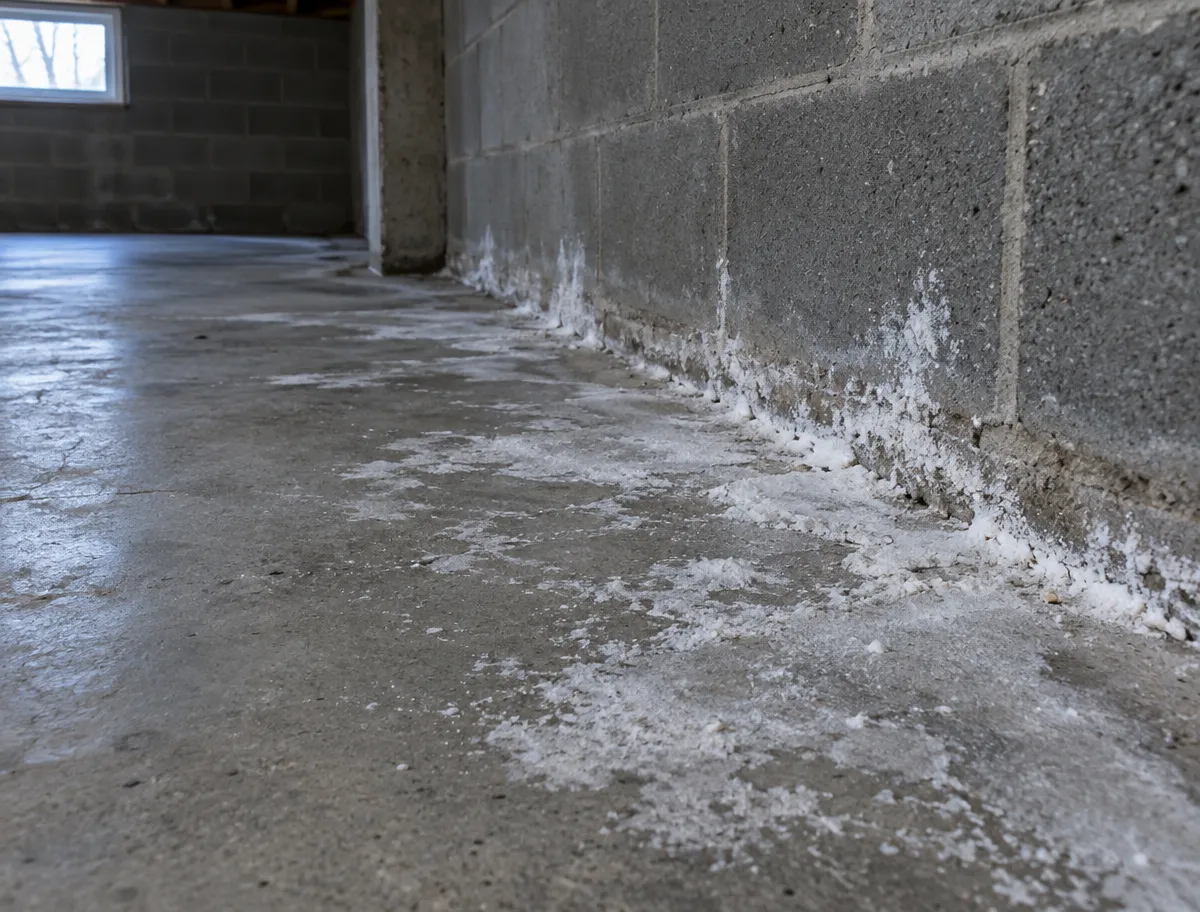
Quick Answer: Concrete efflorescence is the white, powdery salt deposit that forms when moisture moves through a basement slab, dissolves natural salts in the concrete,
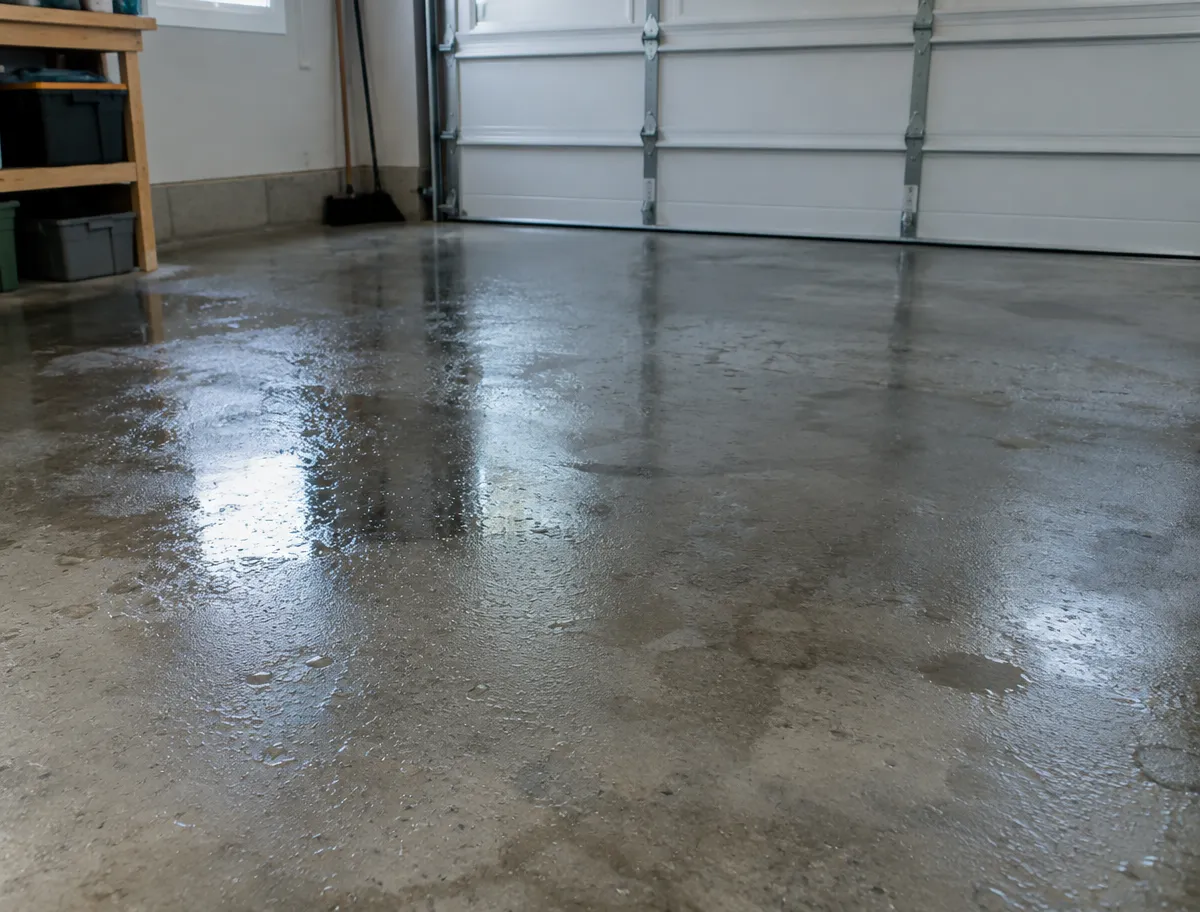
Quick Answer: Garage floor sweating happens when warm, humid air meets a concrete slab that is colder than the air’s dew point, so moisture condenses
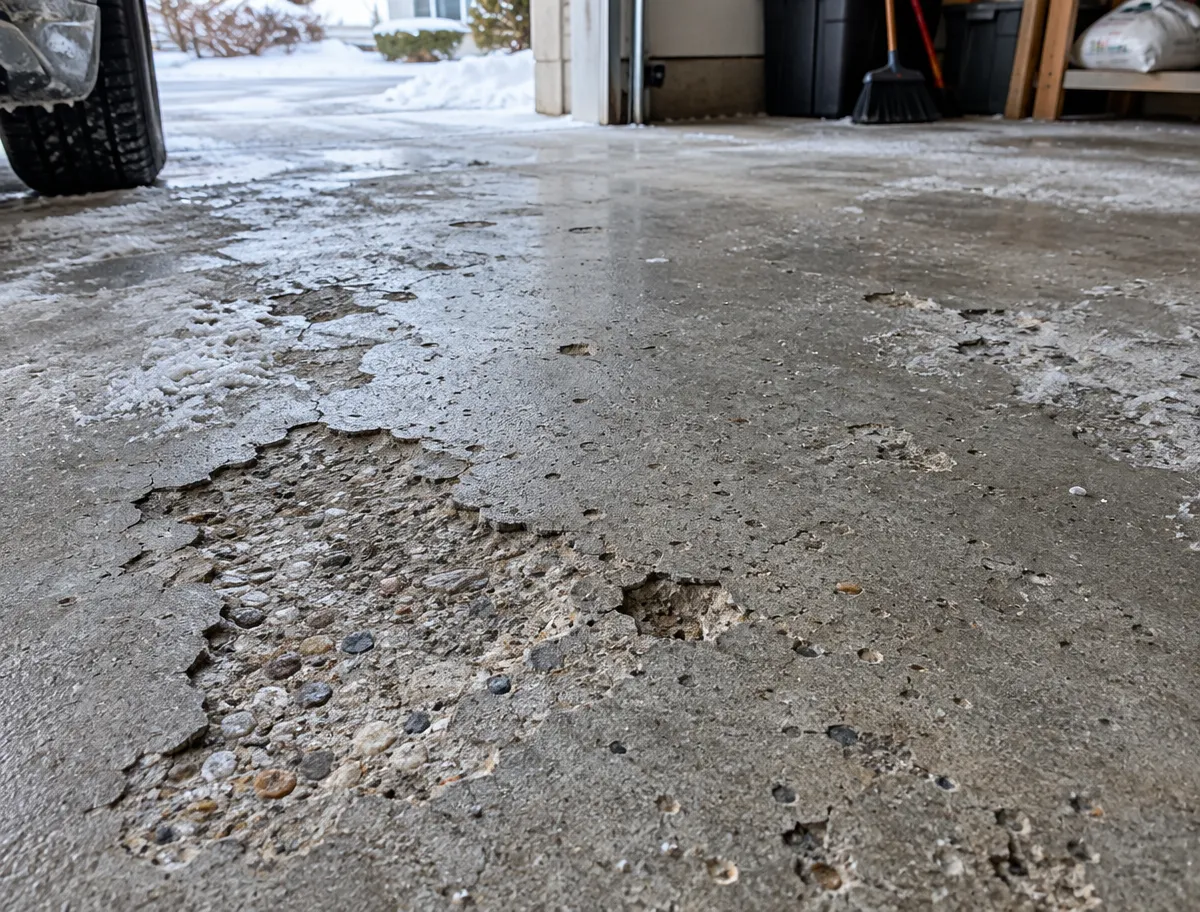
Quick Answer: Spalling concrete garage floor repair starts with judging how deep the damage goes. Light scaling and shallow pitting can usually be ground smooth,
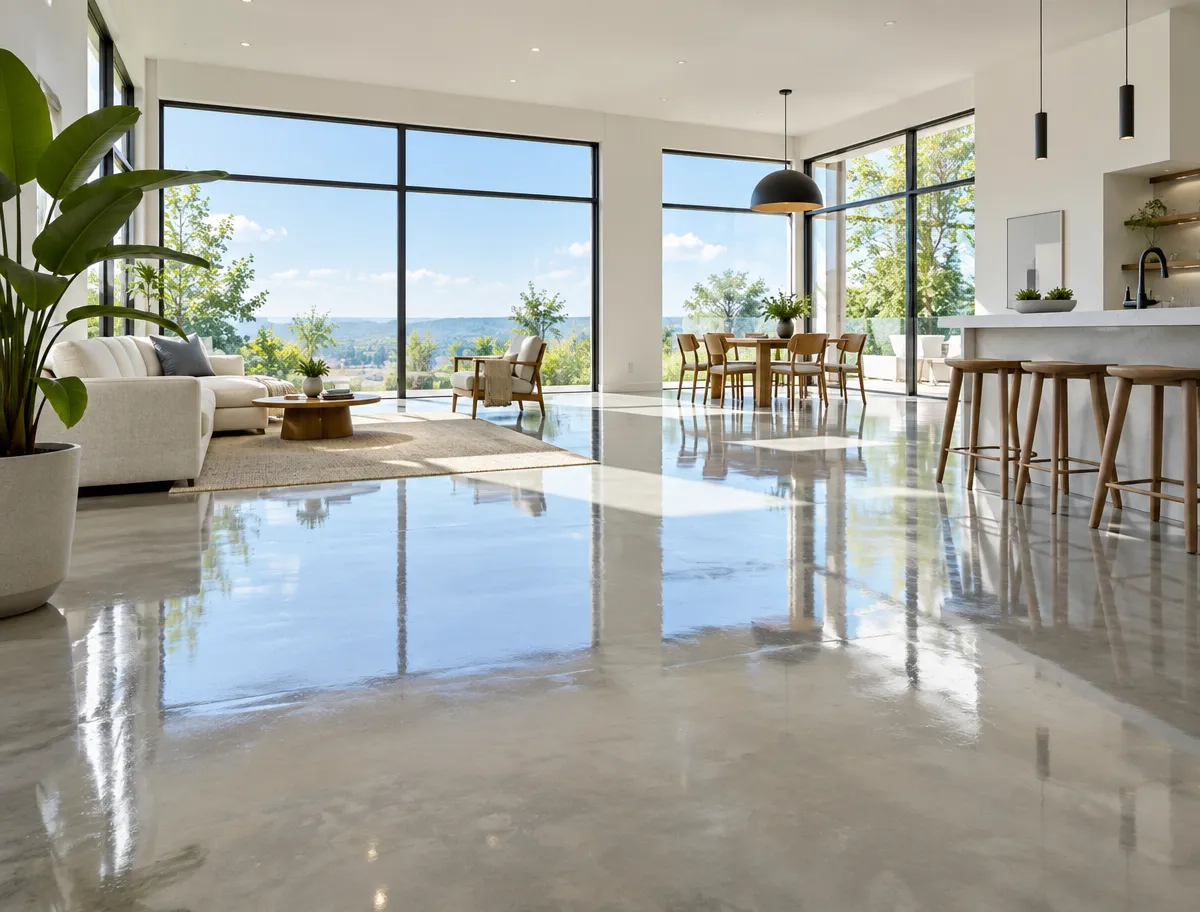
Quick Answer: Yes, a concrete coating cold weather install is possible throughout a Western and Central Pennsylvania winter when the crew uses cold-weather-rated polyaspartic or
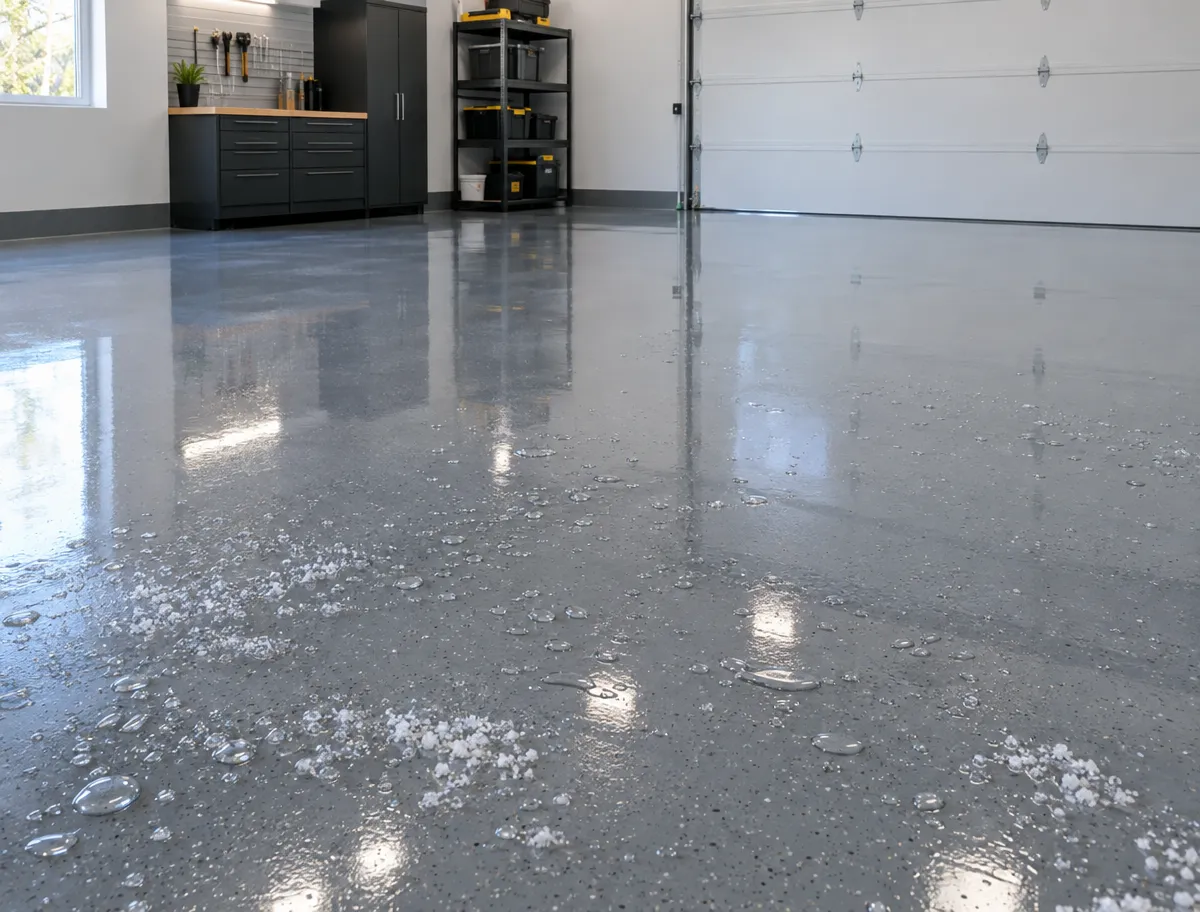
Quick Answer: You protect a garage floor from road salt damage in Western PA by removing chloride residue promptly and sealing the concrete with a
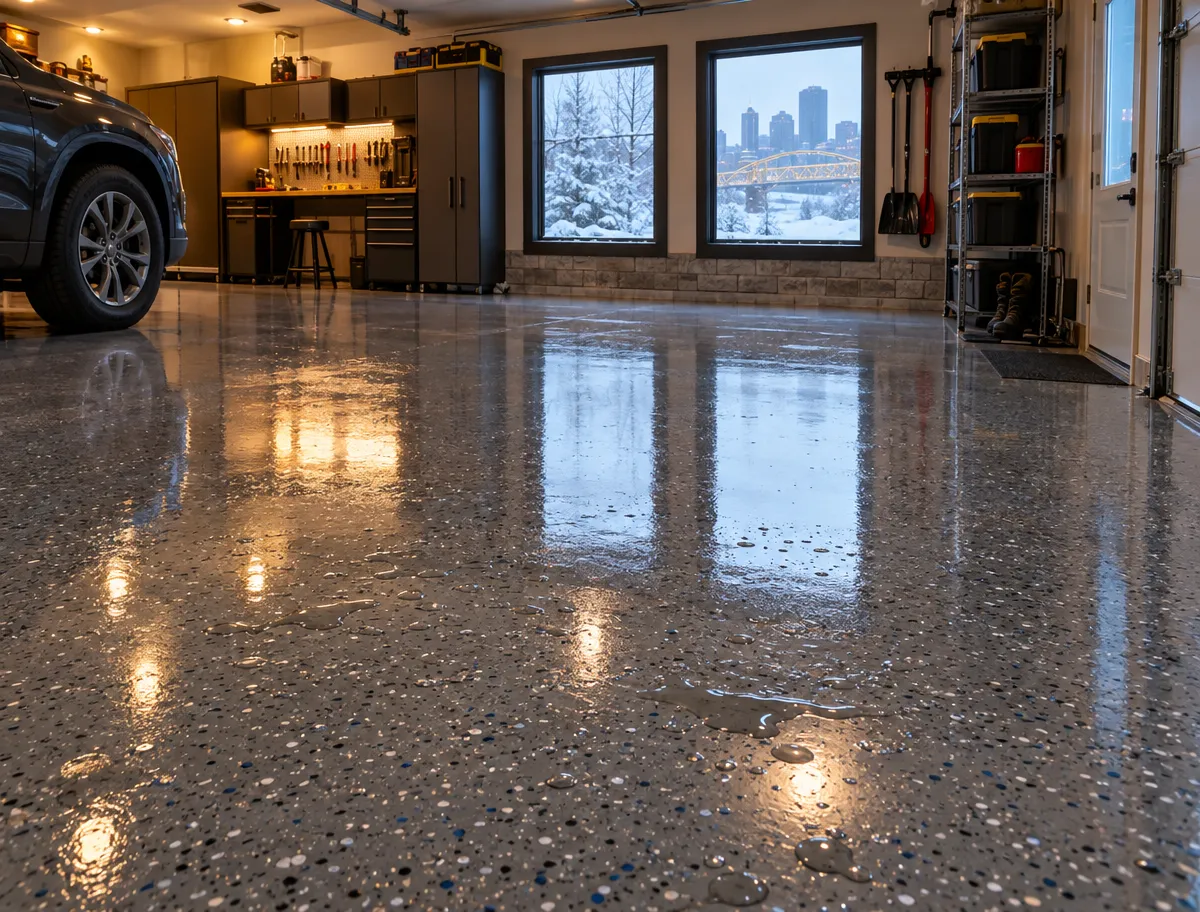
Quick Answer: No — properly installed epoxy coatings do not crack from Pittsburgh’s cold winters or freeze-thaw cycles. The concrete slab underneath can crack from