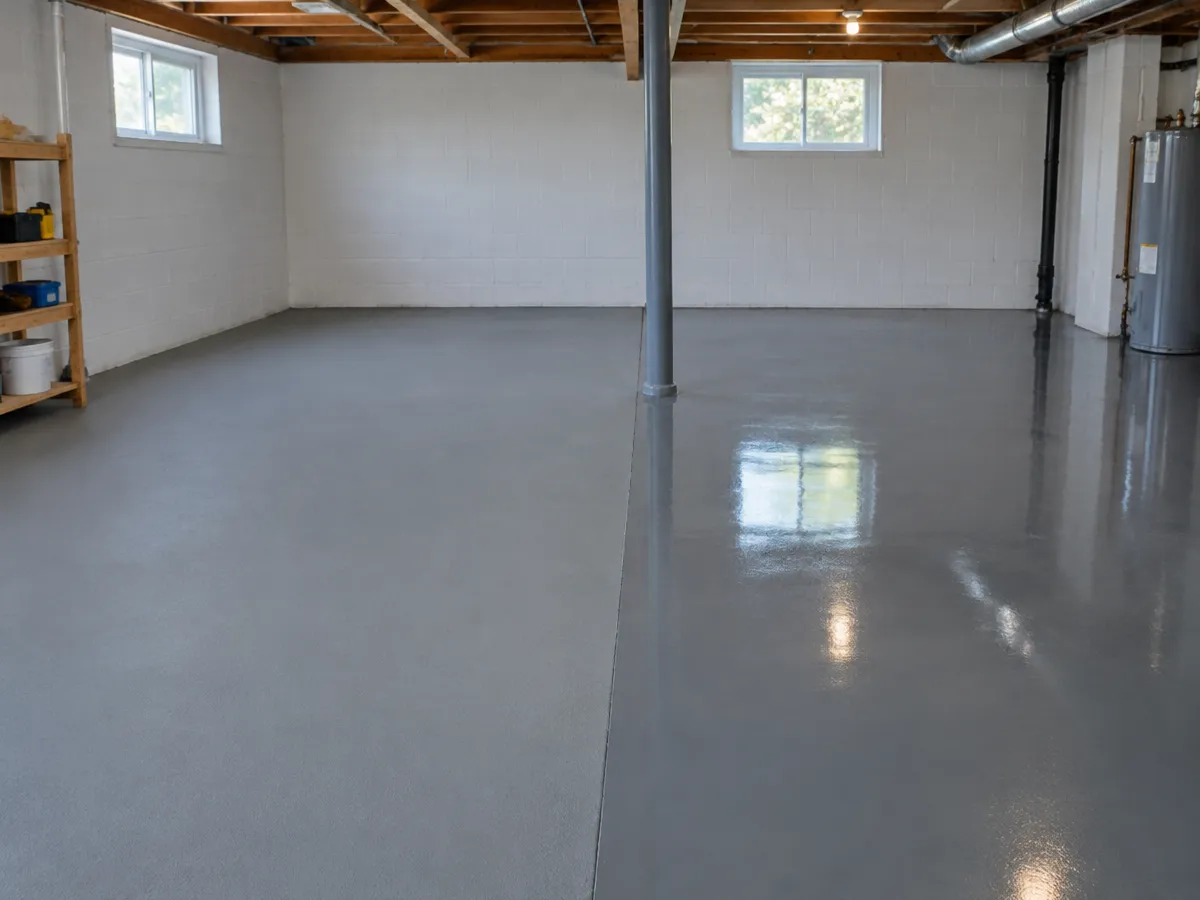
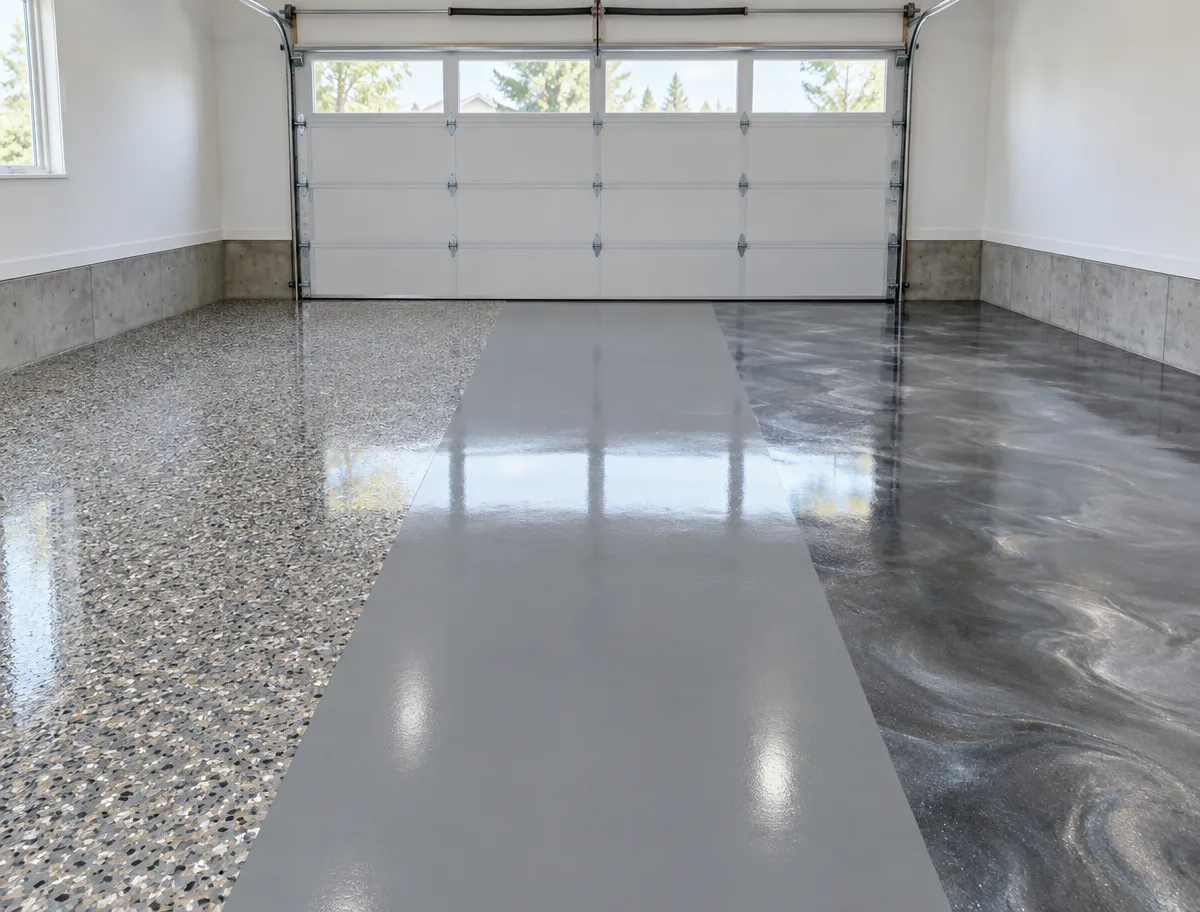
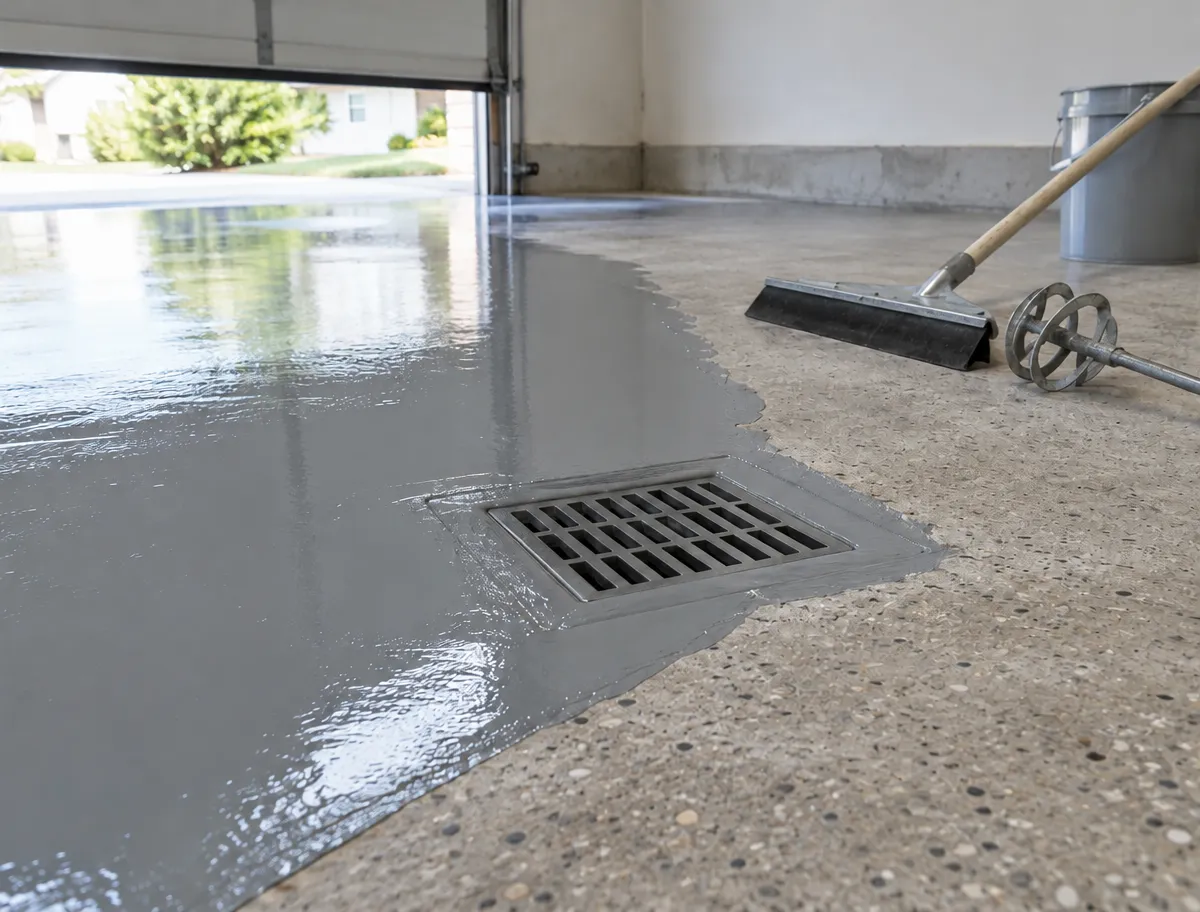
Quick Answer: Epoxy cure time is usually measured in days, while polyaspartic systems are measured in hours. With the polyurea-polyaspartic system Specialty Concrete Coatings installs, you can typically walk on the floor in about 12 hours, move heavy items back in about 24 hours, and park on it in about 48 hours. Traditional epoxy often needs 12 to 24 hours before foot traffic and several days, commonly 3 to 7, before vehicles, with full chemical cure taking up to about a week. Cold temperatures and high humidity can lengthen every stage, so always follow your installer’s guidance.
The question most homeowners ask after a garage floor coating is simple: when can I walk on it, and when can I park on it? This guide explains epoxy cure time, polyaspartic cure time, and polyurea timing side by side, what “dry” and “cured” really mean, and how Western Pennsylvania temperatures and humidity change the schedule.
How Long Do Epoxy and Polyaspartic Floors Take to Cure?
Here is a quick reference for the main milestones. Times are typical for moderate temperatures and vary with the product, film thickness, slab temperature, and humidity.
| Milestone | Polyurea-Polyaspartic (Specialty Concrete Coatings) | Traditional Epoxy |
|---|---|---|
| Walk-on (light foot traffic) | About 12 hours | Typically 12 to 24 hours |
| Light use and heavy items | About 24 hours | Typically 2 to 4 days |
| Drive-on (vehicles) | About 48 hours | Typically 3 to 7 days |
| Full chemical cure | Varies by product; your installer will confirm | Up to about 7 days |
Because the polyurea basecoat and polyaspartic topcoat cure so quickly, the full system can usually be installed in one day. Learn how that works in our guide to 1-day garage floor coating.
Why Does Cure Time Matter for Your Floor?
Cure time determines how long a garage, basement, or workspace stays out of service after a coating installation. For Western Pennsylvania property owners, a long cure can mean vehicles parked outside in the weather, paused business operations, and disrupted daily routines.
Specialty Concrete Coatings has installed concrete coatings across Western Pennsylvania for over 15 years, and that experience points to a simple lesson: faster cure times mean fewer disruptions for homeowners and commercial property managers alike.
How Does Weather Affect Coating Cure Times?
Western Pennsylvania winters are hard on unprotected concrete, and lake-effect snow and freeze-thaw cycles can crack and spall untreated surfaces. Cold also slows the chemical reaction that cures a coating, so the season when concrete most needs protection is also the season when slow-curing products are hardest to install. The company’s polyurea-polyaspartic system is formulated to cure at lower temperatures than standard epoxy, which widens the installation window.
What Makes Fast-Curing Coatings Better for Businesses?
Commercial downtime costs money. A polyaspartic cure time measured in hours rather than days helps keep showrooms, shops, and facilities running, and Specialty Concrete Coatings completes most projects in a one-day installation. The epoxy cure time for traditional systems stretches across multiple days, which can mean closing a bay or a building for longer. For a winter project, a concrete coating cold-weather installation works best when the materials can cure before the next hard freeze.
⏱️ Want Your Garage Back Fast? Specialty Concrete Coatings installs one-day polyurea-polyaspartic floors across Greater Pittsburgh and NW Pennsylvania. Request a free garage floor coating quote and get a schedule built around your timeline.
What Is the Difference Between Epoxy Cure Time and Drying Time?
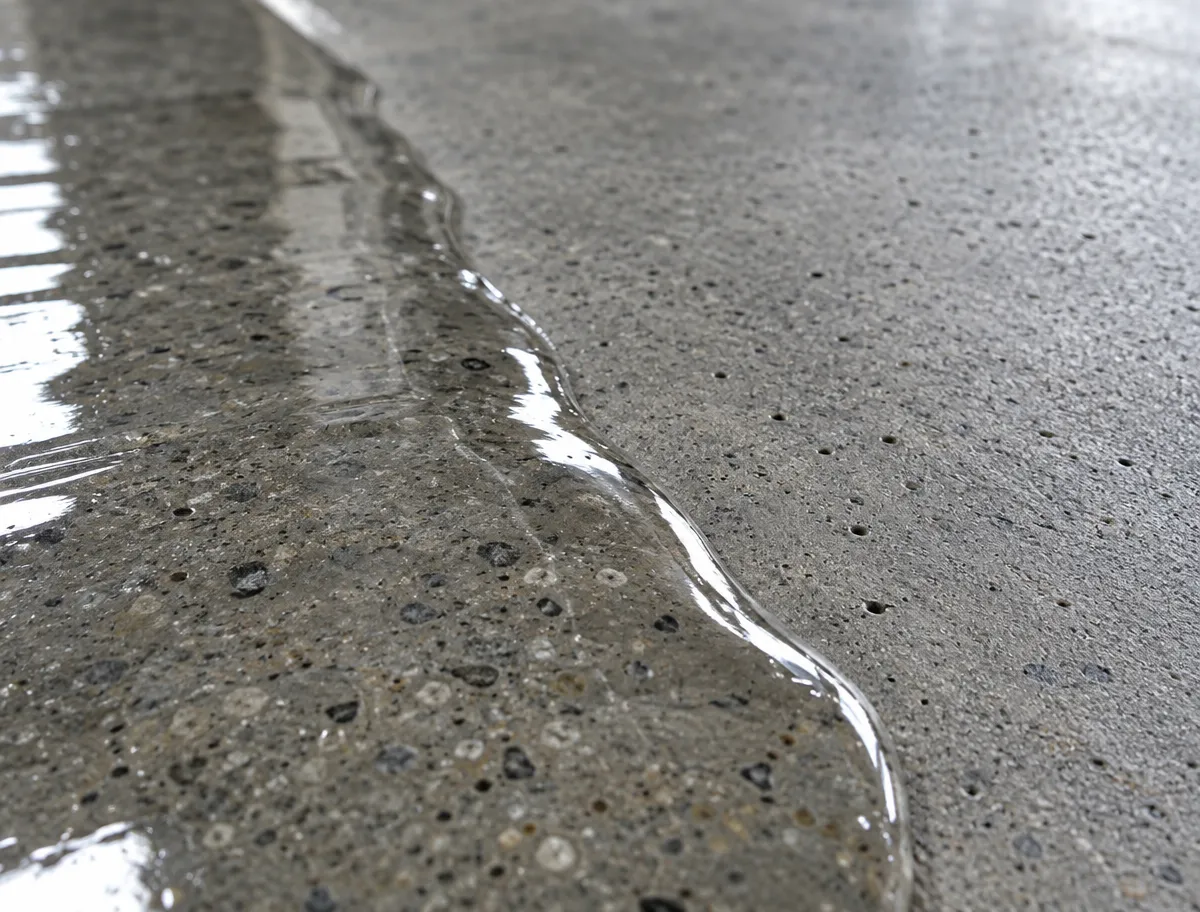
Epoxy cure time and epoxy floor drying time describe two different phases of a coating’s hardening process. Drying time is when the surface stops being tacky and can accept light foot traffic. Cure time is when the chemical reaction between the resin and hardener is complete and the coating reaches its full hardness and chemical resistance. A floor can feel dry long before it is fully cured.
Most coatings move through the same stages:
- Tack-free (dry to the touch): The surface no longer feels sticky, but it is still soft and easy to mark.
- Walk-on: The coating can handle socks or clean shoes and light foot traffic.
- Light use: You can return shelving, light furniture, and stored items, without dragging them.
- Drive-on: The coating is hard enough for vehicle tires.
- Full chemical cure: The coating has reached its full hardness and resistance to chemicals, oil, and hot tires.
How Long Does Epoxy Floor Drying Time Take?
Epoxy floor drying time for light foot traffic typically falls between 12 and 24 hours after application, and it can run longer in cool weather. The surface may feel dry within that window, but dryness is not readiness. Walking on the floor does not mean the coating has reached full chemical cure, which for many epoxies takes up to about a week.
What Happens If Epoxy Cures Too Slowly?
A slow cure keeps the floor out of service longer and leaves the soft coating exposed to dust, moisture, and accidental marks while it hardens. Epoxy also tends to yellow under UV exposure over time, especially in sunlit garages, which is why many systems use a UV-stable topcoat; see our tips on preventing epoxy floor yellowing. For property owners weighing how long an epoxy floor coating actually lasts against downtime, cure speed is one more factor to compare.
How Fast Is Polyaspartic Cure Time?
Polyaspartic cure time is much shorter than traditional epoxy. Where an epoxy cure time stretches across days, polyaspartic and polyurea formulations can return a floor to service within hours. Specialty Concrete Coatings uses a polyurea basecoat topped with a UV-stable polyaspartic clear coat, a system built for a fast, one-day installation.
When Can You Walk on a Polyaspartic Floor?
With the company’s system, light foot traffic can typically resume in about 12 hours. Heavier items such as shelving, toolboxes, and furniture can usually move back onto the floor at about 24 hours. Each milestone compresses what could otherwise be a multi-day wait.
How Long Before Vehicles Can Drive on a Polyaspartic Coating?
Vehicles can typically roll onto the surface after about 48 hours. That is a sharp contrast to the several-day wait many epoxy systems need before vehicle traffic. For commercial properties, the difference can mean less lost revenue and fewer disrupted workflows. Compare the two systems in more detail in our polyaspartic vs epoxy garage floor guide.
How Does Specialty Concrete Coatings Achieve Faster Turnaround?
The company layers a high-adhesion polyurea basecoat beneath a polyaspartic clear coat; both chemistries cure much faster than standard epoxy, which is why a one-day installation is possible. Good preparation matters too: the SSPC-SP 13/NACE No. 6 standard for surface preparation of concrete describes how concrete should be cleaned and profiled before coating, and the company diamond grinds every slab before the basecoat goes down. Homeowners reviewing polyaspartic coating pros and cons will find the speed advantage applies to basements, patios, and pool decks as well.
How Does Pennsylvania Climate Affect Cure Times?
Pennsylvania’s climate can lengthen both polyaspartic cure time and epoxy cure time. Areas like Erie, PA see heavy lake-effect snow, and much of Western Pennsylvania deals with cold, damp winters and humid summers.
Why Do Freeze-Thaw Cycles Make Cure Speed Important?
Freeze-thaw cycles are hard on unprotected concrete. Water seeps into pores, freezes, and expands, which can crack and spall the surface over time. A coating that takes days to cure leaves the slab without full protection for longer, and it also keeps the garage out of service during the months when you most want to park inside.
How Do Temperature and Humidity Change Cure Times?
Low temperatures slow the curing reaction for both epoxy and polyaspartic coatings. As a general rule, cure times can roughly double as temperatures fall well below about 70°F, so an epoxy that is walkable in 24 hours in summer may need 48 to 72 hours in a cold garage. High humidity can also slow the cure, and some epoxies can develop a waxy surface film, often called amine blush, in cool, damp conditions. Polyaspartic and polyurea systems are formulated to cure at lower temperatures than standard epoxy, which is why they are often chosen for fall and winter installs.
How Long Does a Garage Floor Coating Take to Cure in a Pennsylvania Winter?
Specialty Concrete Coatings addresses winter scheduling with its one-day installation system, and the company has completed projects across Erie-area communities such as North East, Harborcreek, Millcreek, and Summit Township. Your installer will adjust the schedule to the slab temperature on install day, and cold conditions can add time to each milestone.
| Curing Factor | Traditional Epoxy | Polyurea-Polyaspartic (Specialty Concrete Coatings) |
|---|---|---|
| Walk-on in moderate weather | Typically 12 to 24 hours | About 12 hours |
| Effect of cold weather | Cure slows considerably; installation window narrows | Cure also slows, but the system is formulated for lower temperatures |
| Vehicle traffic | Typically 3 to 7 days | About 48 hours |
| Humidity sensitivity | Some epoxies can blush in cool, damp conditions | Installer manages humidity and dew point on install day |
Faster curing helps minimize downtime during unpredictable Pennsylvania weather, so property owners can get back into their garage or facility before the next storm.
What Should You Avoid While a Coating Cures?
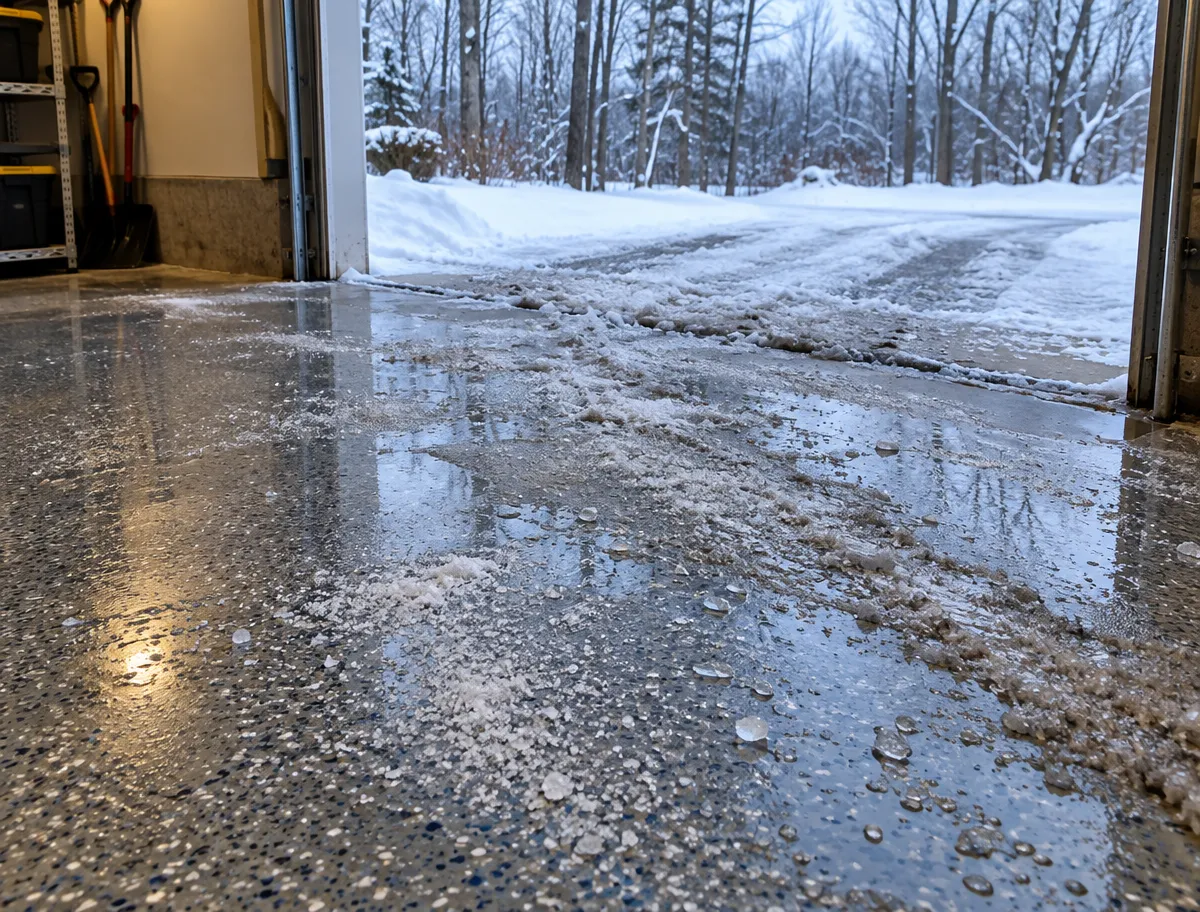
Even a fast-curing floor needs a little care until it reaches full cure. Avoid these common mistakes:
- Cars and hot tires: Wait until your installer’s drive-on time. Hot tires on a coating that is not fully cured can cause marks or lifting, a problem explained in our guide to hot tire pickup on epoxy floors.
- Rugs and mats: Keep rugs, rubber mats, and cardboard off the floor until it is fully cured, because they can trap solvents and moisture and leave marks.
- Heavy objects: Do not drag shelving, toolboxes, or equipment across a new floor; lift and place them after the light-use milestone.
- Cleaning chemicals: Sweep or dust-mop only until the coating is fully cured, then follow the installer’s care guidance before using cleaners.
- Touching tacky coating: Keep children and pets off the floor. OSHA’s technical manual on polymer resin health hazards notes that uncured epoxy resins can irritate skin.
What Are the Signs a Floor Isn’t Fully Cured?
If you are unsure whether your floor is ready, look for these warning signs before putting it to full use:
- The surface still feels tacky or sticky in spots.
- A fingernail leaves a dent or mark in the coating.
- There is still a strong chemical odor in the garage.
- The finish looks cloudy, hazy, or greasy, which can point to a cure problem.
- Shoes, tires, or objects leave prints or impressions.
If you notice any of these after the expected cure time, contact your installer before parking on the floor or putting items back.
Which Coating Gets You Back in Action Faster?
Polyurea and polyaspartic systems return floors to service much faster than traditional epoxy. Specialty Concrete Coatings’ standard installation process allows foot traffic in about 12 hours and is built for a quick return to service.
What Is the Full Return-to-Service Timeline for Vehicles and Heavy Items?
The company’s process follows a clear, staged schedule: walk on the floor at about 12 hours, move heavier items onto it at about 24 hours, and drive vehicles back into the garage at about 48 hours. This predictable sequence helps homeowners and property managers plan downtime, though actual cure times vary with temperature, humidity, and the products used.
| Activity | Specialty Concrete Coatings (Polyurea-Polyaspartic) | Traditional Epoxy |
|---|---|---|
| Light foot traffic | About 12 hours | Typically 12 to 24 hours |
| Heavy items moved | About 24 hours | Typically 2 to 4 days |
| Vehicle traffic | About 48 hours | Typically 3 to 7 days |
The multi-step installation includes diamond grinding for mechanical adhesion, crack repair, and a UV-stable clear coat that seals the system. Polyurea and epoxy are both recognized protective treatments for concrete in the American Concrete Institute’s guide to selecting protective treatments for concrete; the difference for most homeowners is how long they wait to use the floor.
Slow-curing epoxy can force vehicles to sit outside for several days, and for commercial operations that delay means lost productivity. Specialty Concrete Coatings provides free quotes and guides clients through material and color selection. Our auto shop floor coating article shows why polyurea’s speed matters in high-traffic spaces where every hour of downtime counts.
Frequently Asked Questions
How long until I can walk on a polyaspartic floor?
With the polyurea-polyaspartic system Specialty Concrete Coatings installs, light foot traffic can typically resume in about 12 hours. Cold temperatures and humidity can add time, so follow your installer’s guidance.
How long until I can park a car on epoxy versus polyaspartic?
Vehicles can typically return to the company’s polyurea-polyaspartic floors in about 48 hours. Traditional epoxy often needs several days, commonly 3 to 7, before vehicle traffic, depending on the product and temperature.
What is the difference between epoxy drying time and cure time?
Drying time is when the surface is no longer tacky and can accept light foot traffic. Cure time is when the chemical reaction is complete and the coating reaches its full hardness and chemical resistance, which can take up to about a week for many epoxies.
Does cold weather slow down epoxy cure time?
Yes. Low temperatures slow the curing reaction for both epoxy and polyaspartic coatings, and cure times can roughly double in a cold garage. Polyurea-polyaspartic systems are formulated to cure at lower temperatures, which makes them a common choice for fall and winter installs.
When can I put mats, rugs, or stored items back on a new garage floor?
Light items can usually go back after the light-use milestone, about 24 hours for the company’s system, without dragging them. Wait until the coating is fully cured before laying rugs or rubber mats, since they can trap moisture and leave marks.
TL;DR — Epoxy and Polyaspartic Cure Times at a Glance
- Drying time is when a floor stops being tacky; cure time is when it reaches full hardness and chemical resistance.
- Specialty Concrete Coatings’ polyurea-polyaspartic system: walk on in about 12 hours, heavy items in about 24 hours, drive on in about 48 hours.
- Traditional epoxy typically needs 12 to 24 hours for foot traffic and several days, often 3 to 7, before vehicles.
- Cold temperatures and high humidity can lengthen every stage, especially for epoxy.
- Keep cars, rugs, mats, heavy dragging, and cleaning chemicals off the floor until it is ready.
- Next step: Request a free garage floor coating quote from Specialty Concrete Coatings.
Related Resources
- Garage Floor Coatings
- Pittsburgh, PA Concrete Coating Company
- Polyurea Concrete Coating Explained
- How Long Does a Polyaspartic Floor Last?
- Does Epoxy Crack in Cold Weather?
- Best Time to Coat a Garage Floor in Pittsburgh
Get a Free Garage Floor Coating Quote
The cure-time gap between epoxy and polyaspartic systems determines whether you wait hours or days to get your space back. Polyurea-polyaspartic coatings offer a faster return to service, which makes them a practical choice for homeowners and businesses that value time and convenience. The right coating still depends on your schedule, your slab, and the season. Contact Specialty Concrete Coatings today for a free, no-obligation quote.
About Specialty Concrete Coatings: Specialty Concrete Coatings is a concrete coating contractor serving Greater Pittsburgh and Northwest Pennsylvania, specializing in garage, basement, patio, and commercial floor coatings. The team installs fast-curing polyurea-polyaspartic systems, often in a single day, and provides free estimates for every project. Contact us today for a free, no-obligation quote.