Quick Answer: To remove oil stains from concrete, act in five steps: blot up any pooled oil, cover the spot with an absorbent such as cat litter or sawdust, apply dish soap or a concrete degreaser, scrub with a stiff nylon brush, and rinse. Fresh spills often lift with absorbent and soap alone. Set-in stains usually need a degreaser, a poultice, an enzyme-based cleaner, or several rounds of pressure washing. Work with good ventilation, wear gloves, follow product labels, and dispose of oily absorbent according to local rules.
An oil drip on a bare concrete garage floor or driveway can turn into a dark blotch that seems impossible to shift. The good news is that most stains can be lightened or removed with household supplies if you match the method to the stain’s age. This guide walks through fresh spills, set-in stains, what to avoid, and why stains keep coming back on bare concrete.
What Causes Oil Stains on Concrete?
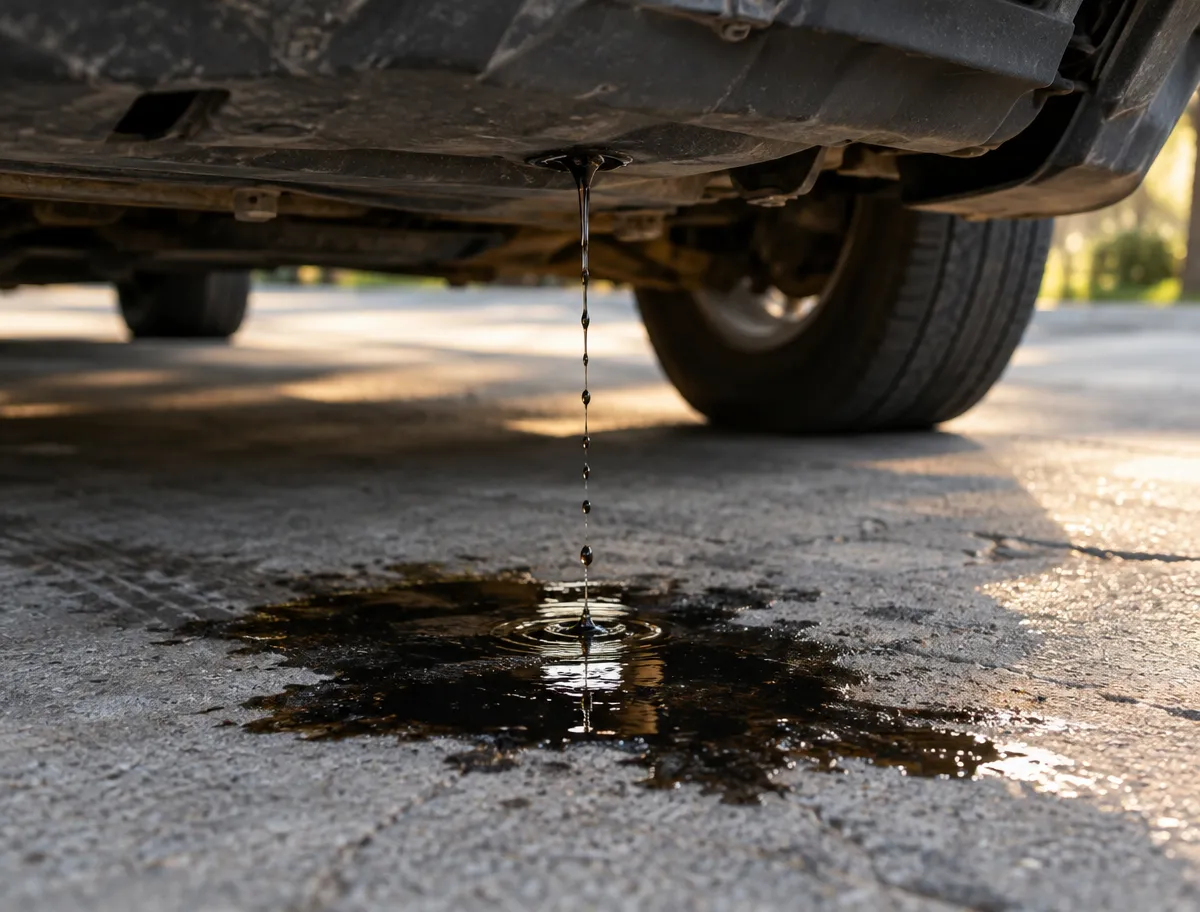
Oil stains form when petroleum-based fluids soak into the porous structure of concrete. Concrete contains tiny capillaries that absorb liquids quickly, drawing oil below the surface where basic cleaning cannot reach it. On a driveway or an oil stain garage floor, the result is a dark patch that can linger for years if it is not treated.
Why Are Some Oil Stains Harder to Remove Than Others?
Fresh spills respond to treatment far more readily than old ones. A stain left for weeks or months has time to move deeper into the slab, where household cleaners struggle to reach it. The sooner you act, the better your chances of removing it completely.
How Do Vehicles Contribute to Persistent Oil Staining?
Driveways and garage floors take daily abuse as parking and driving surfaces. Cars park, idle, and drip fluids day after day, and older vehicles tend to leak more. Over time, the concrete can end up dotted with dark spots that routine washing does not remove. Fixing the leak is the first step, because no cleaning method keeps up with an active drip.
What Tools and Materials Do You Need?
Removing an oil stain garage floor problem takes a few basic supplies matched to the stain’s age:
- Rags or paper towels for blotting fresh oil.
- An absorbent such as cat litter, sawdust, or baking soda.
- Dish soap or a concrete degreaser labeled for use on concrete.
- A stiff nylon-bristle brush and a broom and dustpan.
- A bucket, hose, or pressure washer for rinsing.
- Gloves and eye protection, plus good ventilation (open the garage door).
Safety note: Work with the garage door open or in another well-ventilated area, wear chemical-resistant gloves and eye protection, and follow every product label for dilution, dwell time, and rinsing. Never mix cleaning products. Oily absorbent and rags should be bagged and disposed of according to your local rules; contact your municipality or county about household hazardous waste drop-off.
How Do You Remove a Fresh Oil Spill?
Removing a fresh oil stain garage floor spill is all about speed. The longer oil sits, the deeper it soaks into the porous surface and the harder it is to pull back out.
What Is the First Step After an Oil Spill on Concrete?
Blot up the excess oil right away. Use rags or paper towels to soak up any pooled liquid, pressing firmly without wiping, which can spread the spill across a larger area.
What Material Pulls Oil Out of Concrete?
An absorbent pulls oil out of the concrete’s pores. Sprinkle a generous layer of cat litter, sawdust, or baking soda over the spot, grind it in with your shoe or a brush, and let it sit for several hours or overnight. The Concrete Society’s guidance on removing oil stains from concrete recommends repeating this step with fresh powder until it stops picking up oil.
- Blot pooled oil with rags or paper towels.
- Absorb with cat litter, sawdust, or baking soda, then sweep it up once it darkens.
- Degrease with dish soap or a concrete degreaser.
- Scrub with a stiff nylon brush for several minutes.
- Rinse with a bucket of water or a hose, and repeat if residue remains.
Collect the used absorbent in a bag or bucket rather than hosing it away. Washington State Department of Ecology’s guide to small fuel and oil spill cleanup advises keeping oil out of storm drains and explains how to bag and dispose of oily absorbent.
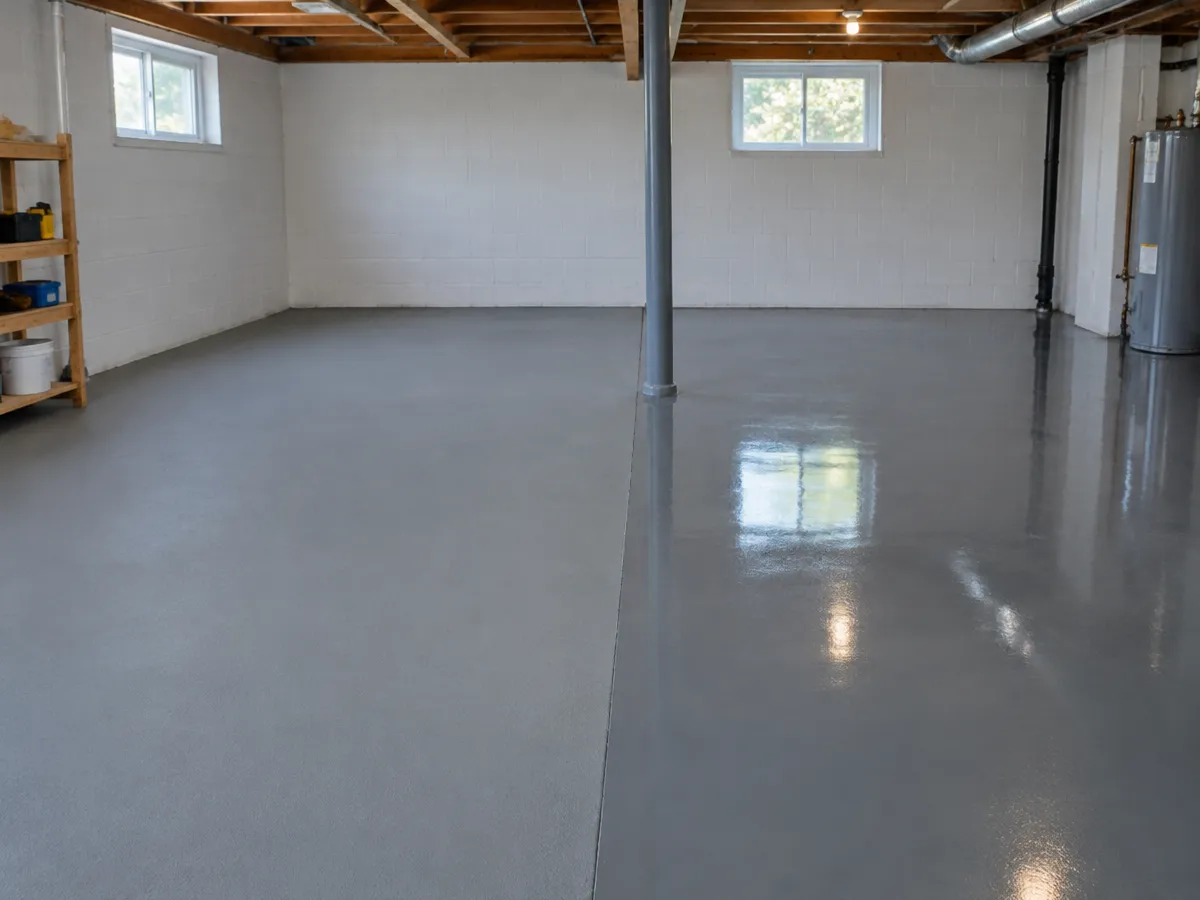
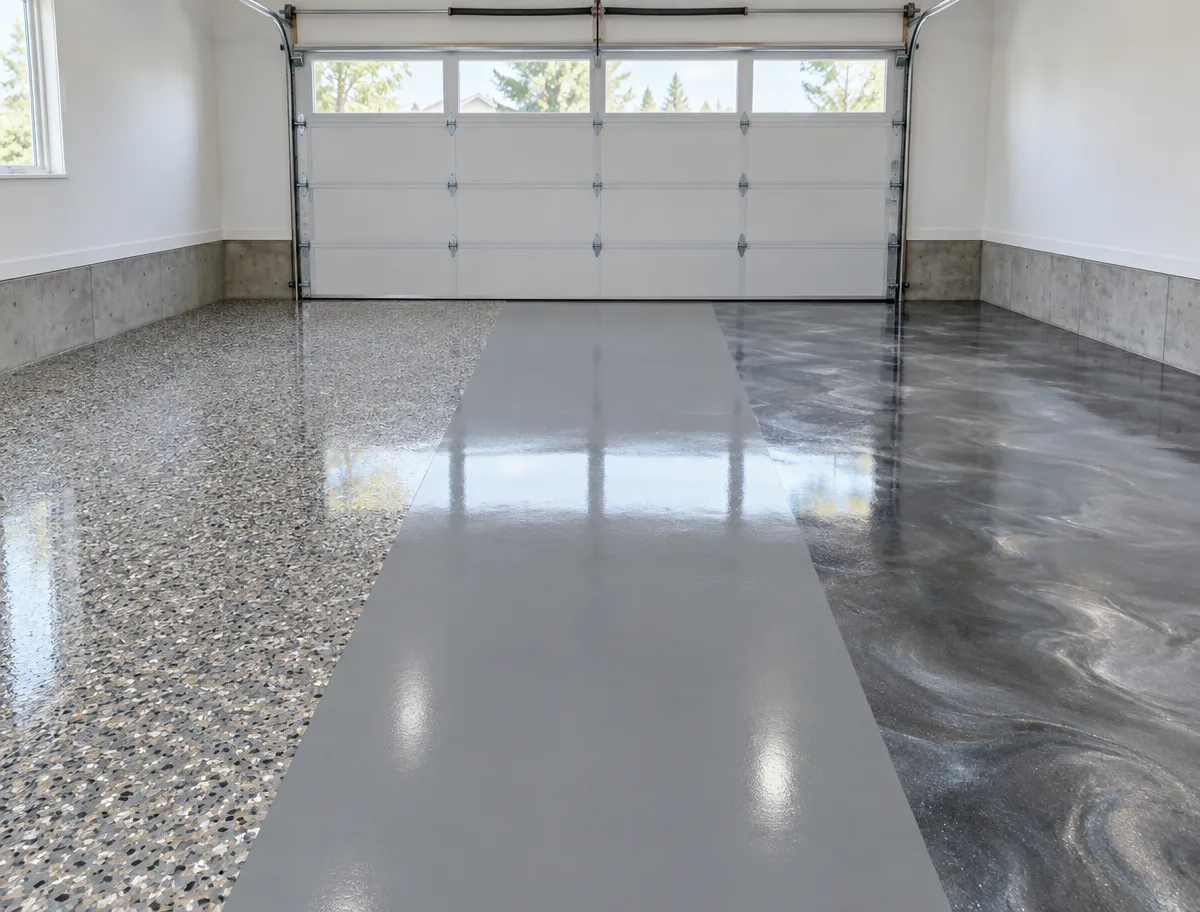
🛠️ Tired of Scrubbing the Same Spot? Specialty Concrete Coatings installs garage floor coatings across Greater Pittsburgh and NW Pennsylvania that let spills wipe up instead of soaking in. Request a free garage floor coating quote when you are ready.
How Do You Clean a Set-In Oil Stain?
Set-in oil stains need a stronger approach than fresh spills. Start with the gentlest method that works and step up from there. The National Park Service’s guidance on cleaning masonry recommends beginning with the gentlest, least invasive method and testing it on a small, inconspicuous area first, which is good practice on decorative or stamped concrete too.
How Do You Use a Concrete Degreaser on an Old Stain?
- Apply a concrete degreaser directly to the dry stain and let it dwell for the time on the label, often around 15 minutes.
- Scrub vigorously with a stiff nylon brush to work the cleaner into the pores.
- Rinse thoroughly and let the area dry so you can judge the result.
- Repeat if the stain persists, since deep-set oil often needs more than one treatment.
What Makes a Poultice Effective for Old Oil Stains?
A poultice draws oil upward out of the slab. Mix an absorbent powder, such as cat litter ground fine, sawdust, or diatomaceous earth, with a degreaser or solvent labeled for concrete into a thick paste. Spread it over the stain, cover it with plastic, and leave it for about 24 hours or as the product directs. As the poultice dries, it wicks dissolved oil out of the concrete. Scrape it off, bag it for disposal, and rinse. The National Park Service’s guide to cleaning oil from historic materials describes poultice and surface washing methods for oil on hard materials such as brick, stone, and concrete.
Do Enzyme or Bacterial Cleaners Work on Oil Stains?
Enzyme and bacterial cleaners use microbes or enzymes to break down oil residue over time. They are slower than a degreaser, often working over several days, but they can help lighten stubborn shadows that remain after other methods. Keep the area damp and follow the product label for application and dwell time.
How Does Pressure Washing Help With Stubborn Stains?
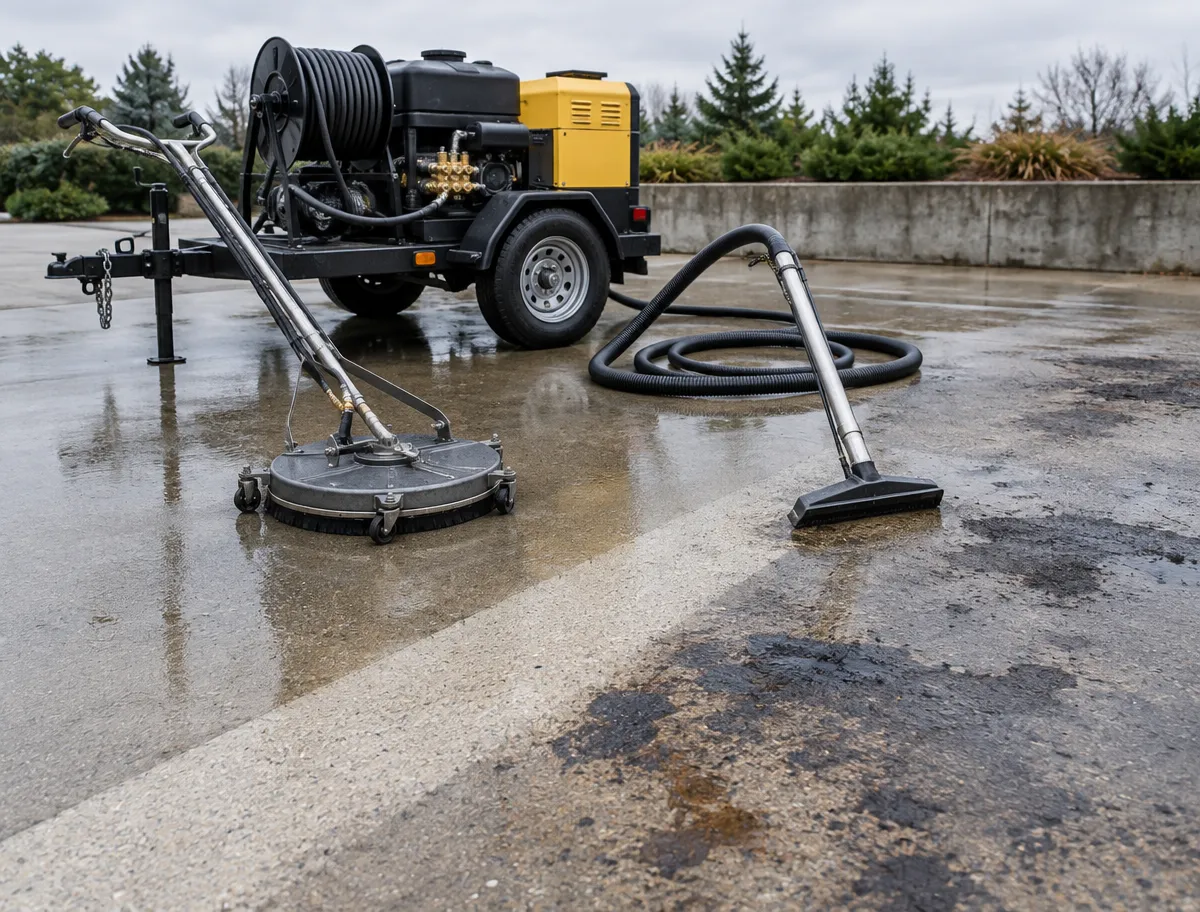
After a degreaser or poultice has loosened the oil, a pressure washer with a fan tip helps flush the emulsified oil out of the surface pores. Hot water, if your machine allows it, helps further. For stains that have built up over months or years, several rounds of degreaser and pressure washing may be needed to lighten them. Direct rinse water away from storm drains; the EPA’s stormwater guidance on vehicle maintenance and washing notes that storm drains lead directly to local waterways, not to treatment plants.
What Should You Avoid When Removing Oil Stains?
- Mixing chemicals: Never combine cleaners, such as bleach with ammonia or acidic products, because some combinations release harmful gases.
- Harsh acids: Avoid muriatic acid and other strong acids. They can etch or discolor concrete and do little to dissolve oil.
- Wire brushes on decorative or coated surfaces: Use nylon bristles on stamped, stained, sealed, or coated concrete to avoid scratching the finish.
- Hosing oil into the street: Absorb and bag oily material first, and keep rinse water out of storm drains.
- Skipping a test patch: Try any new product on a small, hidden area before treating the whole stain.
How Do You Treat Different Types of Garage Floor Stains?
Identify the stain before you choose a cleaner. The Concrete Masonry & Hardscapes Association’s guide to removing stains from concrete masonry notes that using the wrong product can spread a stain rather than remove it. These general approaches work for common garage floor stains:
| Stain | What It Looks Like | Recommended Approach |
|---|---|---|
| Motor oil | Dark brown or black, spreading blotch | Blot, absorb, then degreaser and scrub; poultice for old stains |
| Transmission fluid | Reddish or brown, often slick | Same as motor oil: absorb promptly, then degrease and rinse |
| Grease | Thick, tacky residue | Scrape off excess with a plastic scraper, then degreaser and hot-water rinse |
| Rust | Orange or reddish-brown spots | Use a cleaner labeled for rust on concrete, test a small area first, and follow the label closely |
| Tire marks | Black scuffs or smudges | Concrete cleaner or degreaser with a stiff nylon brush, then rinse |
Why Do Oil Stains Keep Coming Back on Bare Concrete?
Bare concrete is porous, so every new drip soaks in the same way the last one did. Oil that was pushed deeper during cleaning can also wick back toward the surface as the slab goes through wet and dry cycles, so a stain that looked gone may reappear as a faint shadow. And if a vehicle is still leaking, the spot will keep returning no matter how well it was cleaned.
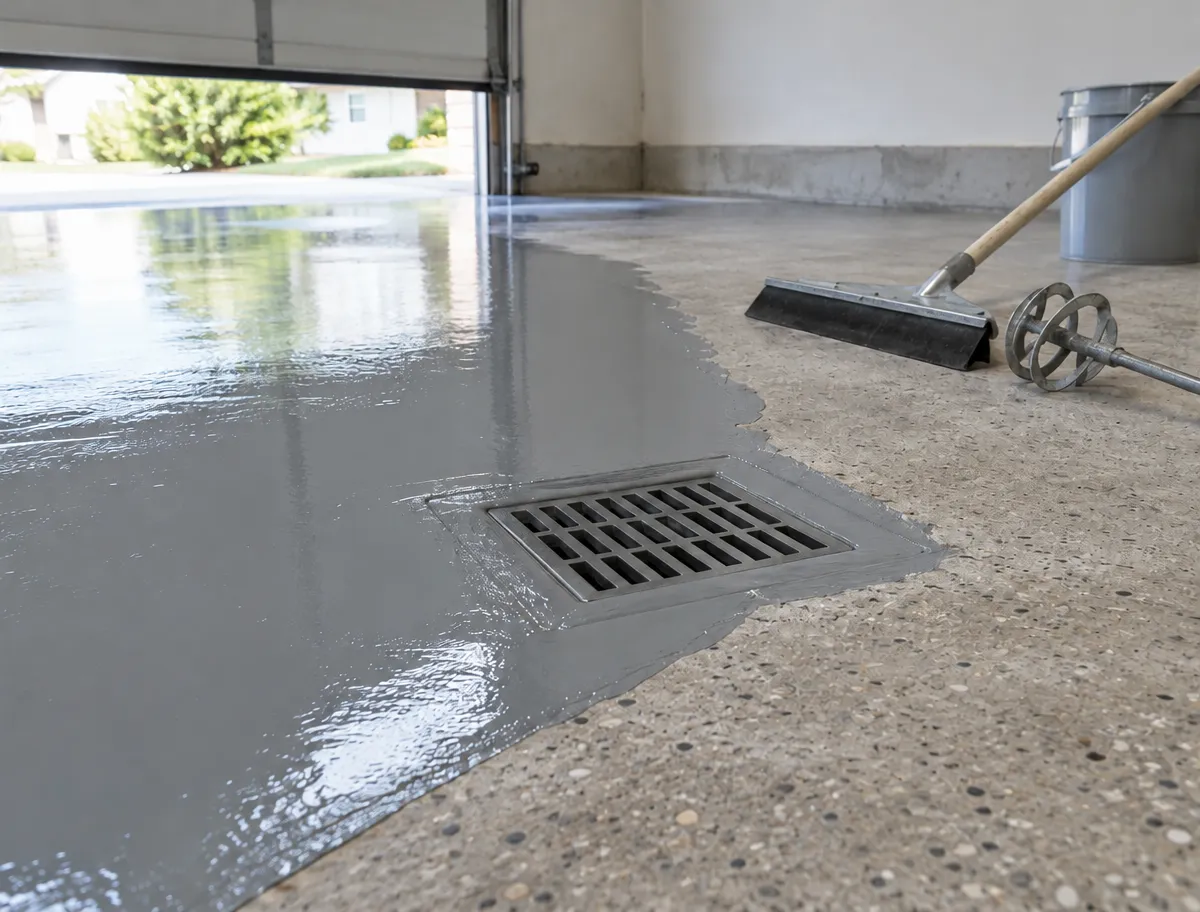
Sealing or coating the slab changes that cycle. Concrete that has been coated no longer absorbs oil at the surface, so the next spill stays on top where it can be wiped up. Learn more about how that protection works in our overview of polyurea concrete coating.
When Should You Call a Professional Instead?
Consider calling a professional concrete coating contractor when oil stains resist several cleaning attempts or when the concrete shows deep, widespread discoloration. Stubborn oil stain garage floor problems often mean the oil has penetrated well below the surface, where DIY methods may only lighten it.
What Makes a Stain Too Difficult for DIY Removal?
Three signs suggest it is time for professional help. First, a stain that stays dark and greasy after two or more cleaning cycles has likely soaked deep into the concrete. Second, stains older than several weeks become more resistant to household cleaners. Third, many overlapping stains create a patchwork that no single cleaning method can even out.
Specialty Concrete Coatings brings over 15 years of experience designing and installing garage floors across the region. Its installers can assess whether a slab can be cleaned up or whether a coating is the better long-term option. Before coating, the company uses diamond grinding for mechanical surface preparation, which can remove the stained top layer of concrete, and it repairs cracks and spalls so the basecoat bonds to sound concrete.
How Does a Professional Coating Help Prevent Future Oil Stains?
A professional coating system creates a nonporous surface that keeps oil from reaching the raw concrete. The company applies a polyurea basecoat designed for strong adhesion to properly prepared concrete, followed by a UV-stable polyaspartic clear coat that resists yellowing, abrasion, and chemicals. Oil spills sit on top of the coating rather than soaking in, so cleanup is usually a simple wipe-down. Installation is often completed in about a day, depending on the floor’s condition. Explore the options for garage floor coatings, or see why coatings are used in high-spill environments in our article on auto shop floor coating with polyurea.
Frequently Asked Questions
What is the first step to remove a fresh oil spill from concrete?
Blot up pooled oil with rags or paper towels, then cover the spot with an absorbent such as cat litter, sawdust, or baking soda. Let it sit for several hours, sweep it up, and follow with dish soap or a degreaser and a stiff nylon brush.
Why are older oil stains harder to remove than fresh ones?
A stain left for weeks or months has time to soak deeper into the porous slab, where household cleaners have trouble reaching it. Older stains often need a degreaser, a poultice, or several rounds of cleaning.
Does cat litter really remove oil stains from concrete?
Cat litter works well on fresh spills because it absorbs oil before it soaks in. On set-in stains it helps most as part of a poultice mixed with a degreaser. Bag the used litter and dispose of it according to local rules.
Should I use muriatic acid to remove oil stains?
No. Strong acids like muriatic acid can etch and discolor concrete and do little to dissolve oil. A concrete degreaser, a poultice, or an enzyme-based cleaner is a safer choice. Never mix cleaning chemicals.
How does a garage floor coating help prevent oil stains?
A coating creates a nonporous surface over the concrete, so oil sits on top instead of soaking in and can usually be wiped up. Specialty Concrete Coatings installs polyurea-polyaspartic systems that resist oil and other automotive chemicals.
TL;DR — Removing Oil Stains From Concrete at a Glance
- For fresh spills: blot, absorb with cat litter or sawdust, degrease, scrub, and rinse.
- For set-in stains: use a concrete degreaser, a poultice, an enzyme cleaner, or repeated pressure washing.
- Avoid muriatic acid, mixing chemicals, and wire brushes on decorative or coated concrete.
- Ventilate, wear gloves, follow labels, and dispose of oily absorbent according to local rules.
- Bare concrete keeps absorbing oil; a coated floor lets spills wipe up instead.
- Next step: Request a free garage floor coating quote from Specialty Concrete Coatings.
Related Resources
- Garage Concrete Coating
- Pittsburgh, PA Concrete Coating Company
- How to Protect Your Garage Floor From Road Salt
- 1-Day Garage Floor Coating
- Polyaspartic Coating Pros and Cons
- How to Extend the Life of Your Concrete Surfaces
Get a Free Garage Floor Coating Quote
Most oil stains on concrete can be lightened or removed if you act quickly and match the method to the stain: absorb and degrease fresh spills, and use a poultice, an enzyme cleaner, or repeated pressure washing on set-in stains. If a stain resists several cleaning cycles, or you are tired of fighting the same spots, a professionally installed coating gives you a surface where oil wipes up instead of soaking in. Contact Specialty Concrete Coatings today for a free, no-obligation quote.
About Specialty Concrete Coatings: Specialty Concrete Coatings is a concrete coating contractor serving Greater Pittsburgh and Northwest Pennsylvania, specializing in garage, basement, patio, and commercial floor coatings. The team installs polyurea-polyaspartic systems that resist oil, road salt, and automotive chemicals, and provides free estimates for every project. Contact us today for a free, no-obligation quote.