Can You Epoxy a Damp Basement Floor? Practical Guidance for Pittsburgh Homeowners
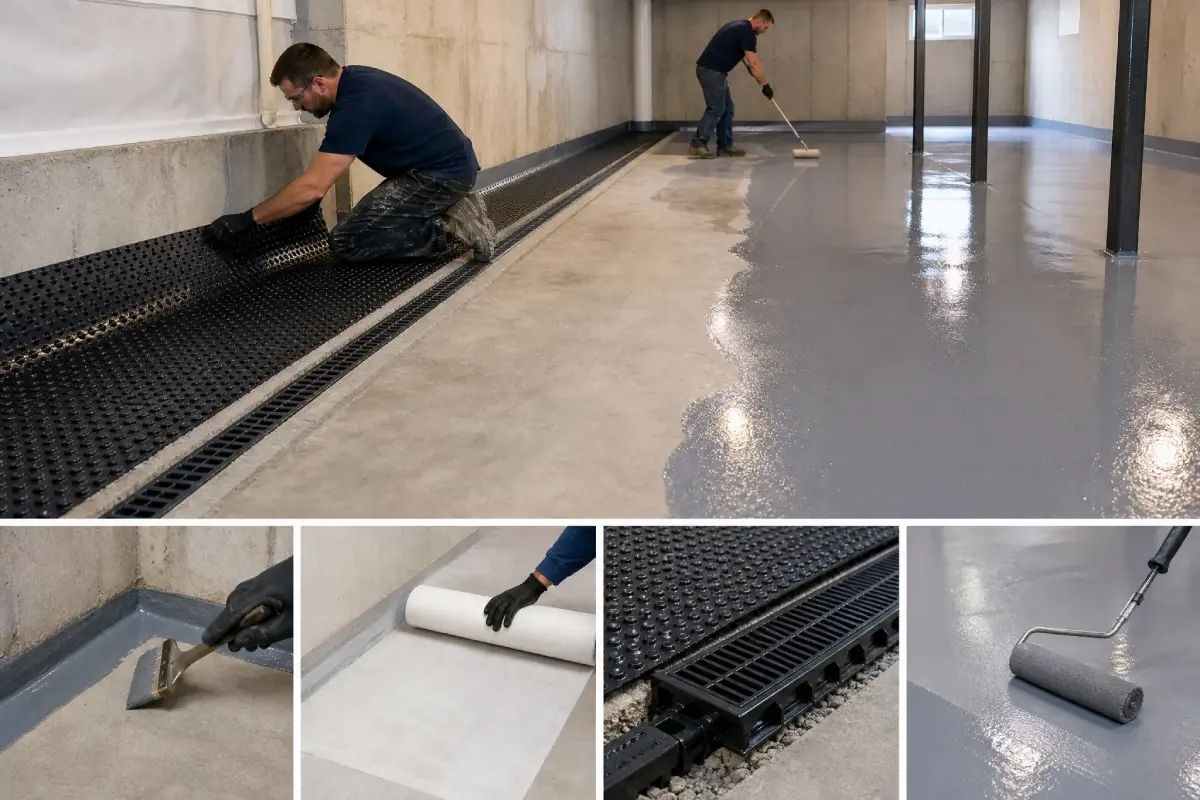
Quick Answer: Yes, you can epoxy a damp basement floor, but only after testing moisture levels and completing the right prep. Standard epoxy struggles when
Home » Blog

Quick Answer: Yes, you can epoxy a damp basement floor, but only after testing moisture levels and completing the right prep. Standard epoxy struggles when

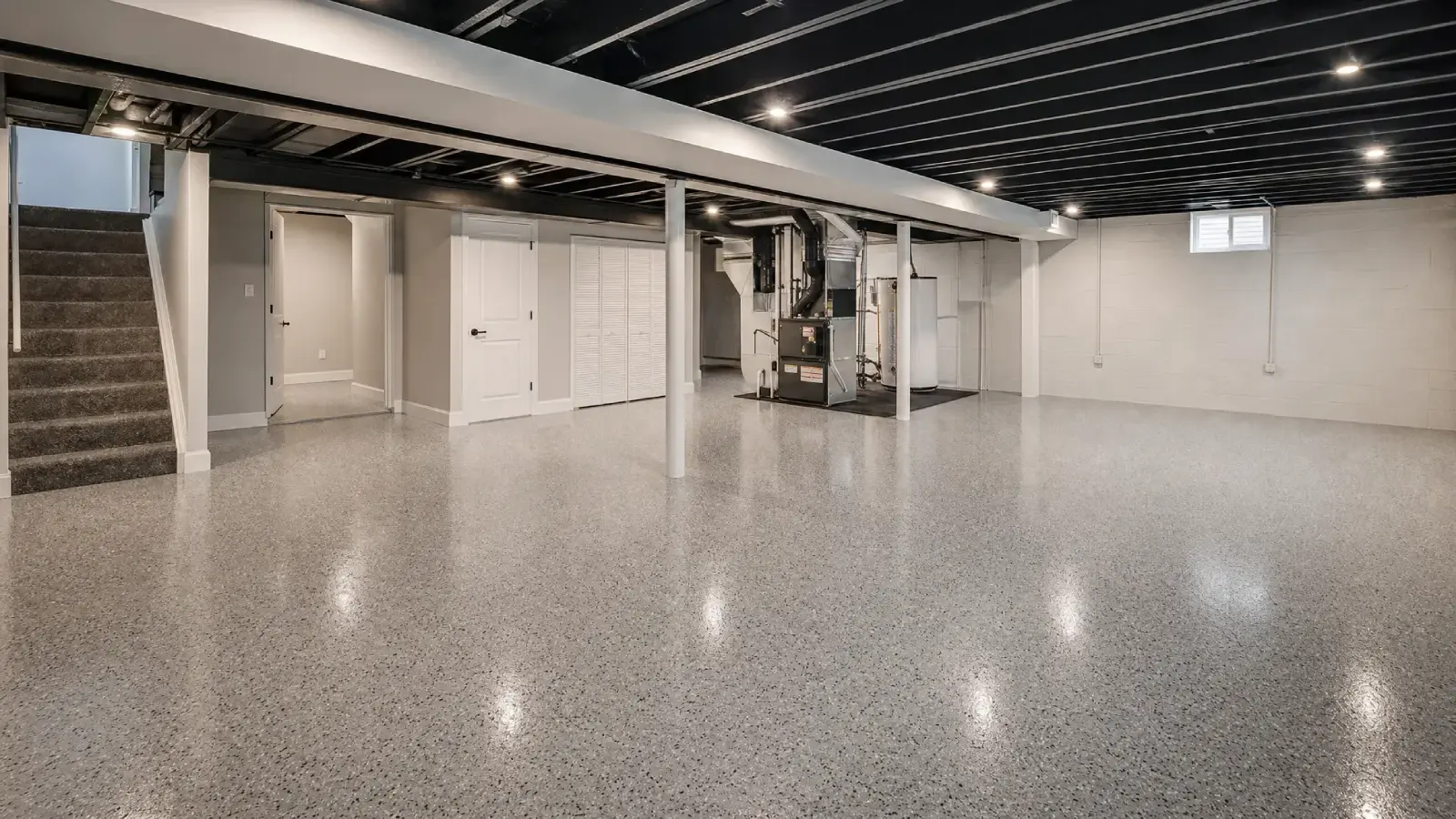
Moisture is the single biggest obstacle to a successful basement floor coating in Western Pennsylvania. Pittsburgh’s climate — with its wet springs, humid summers, and
If your Pittsburgh basement has a bare concrete floor, you’ve probably already noticed the problems: dust that never goes away, stains that won’t scrub out,

Quick Answer: For Pittsburgh basements, a polyurea base coat with a polyaspartic topcoat outperforms standard epoxy by a significant margin. Pittsburgh’s 84% winter humidity, clay-heavy

⚡ DIRECT ANSWER A metallic epoxy floor is a decorative concrete coating system that uses metallic pigments suspended in a clear or tinted epoxy base

⚡ DIRECT ANSWER Epoxy floors turn yellow because standard aromatic epoxy resin breaks down under UV light — a process called UV oxidation. It’s a

Quick answer: 100% solids epoxy and water-based epoxy are both epoxy, but they cure into very different floors. “100% solids” means the entire product becomes

Quick answer: A professionally installed 100% solids epoxy floor lasts 10–20+ years. A DIY water-based kit lasts 2–5 years. The difference comes down to two

Quick answer: Professional epoxy floor coating costs $3–$7 per square foot for a standard 100% solids system, or $5–$10 per sq ft for a polyaspartic

Quick Answer: Epoxy floor coatings, especially in areas like NW Pennsylvania with its unique climate challenges such as freeze-thaw cycles and humidity, commonly fail due