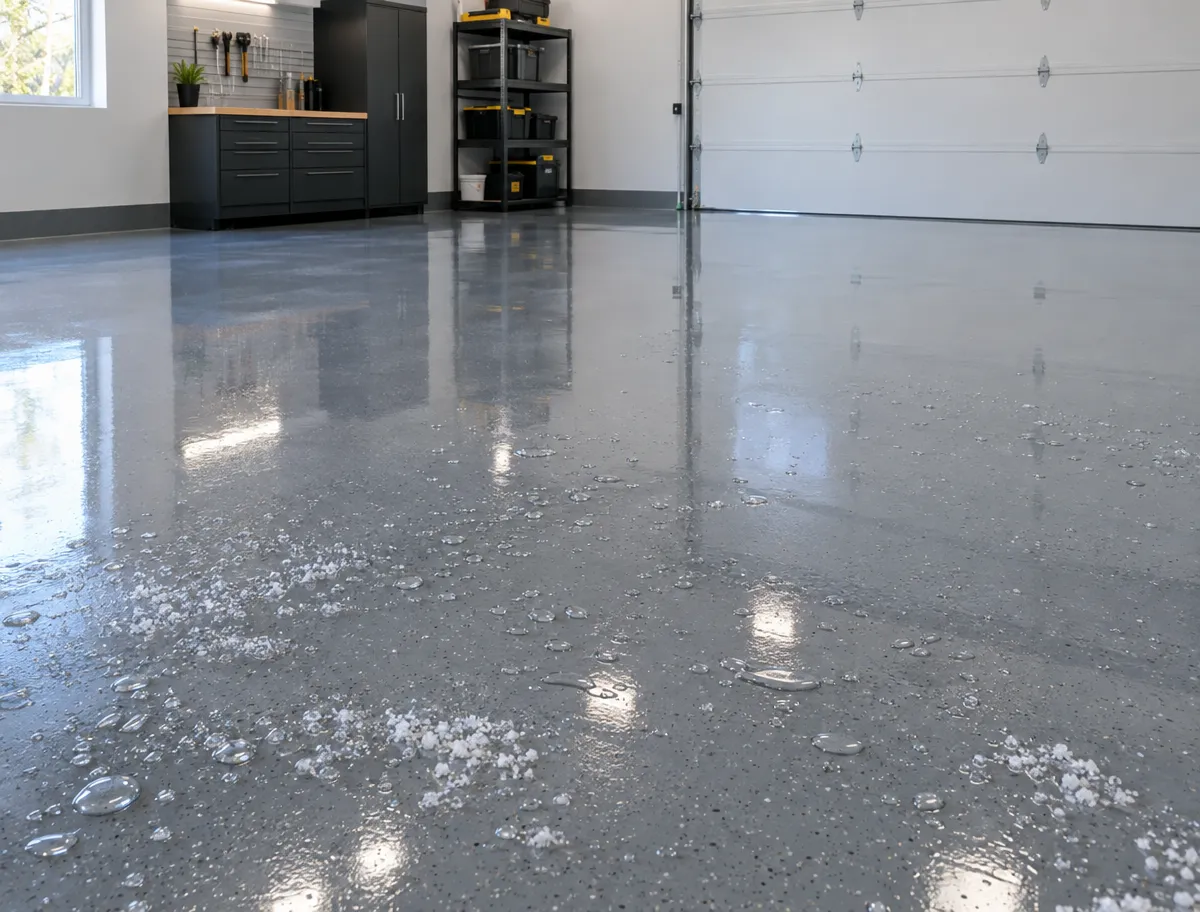
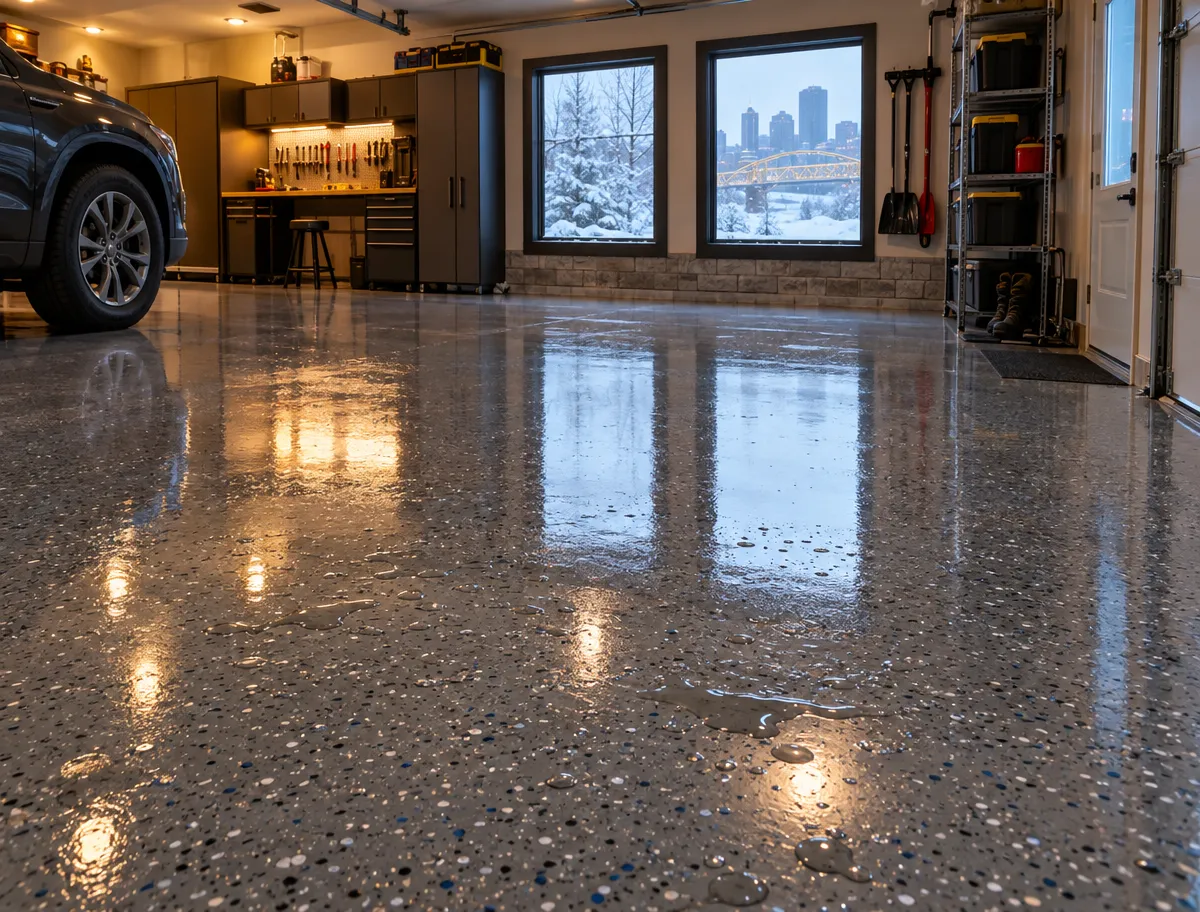
Quick Answer: Pennsylvania K-12 facilities get the safest, most durable floors from polyurea basecoats paired with UV-stable polyaspartic topcoats, engineered for slip resistance and chemical resistance. The best school floor coating options combine anti-slip texture for wet cafeterias and gyms, chemical resistance for science labs, and a seamless, low-maintenance surface for busy hallways. Professional installation minimizes classroom disruption and produces walk-on-ready floors that resist Pennsylvania winter salt, spills, and daily wear for years.
Key Takeaways
- Epoxy flooring withstands extreme foot traffic in K-12 facilities while maintaining durability for years.
- Seamless epoxy surfaces eliminate dirt and moisture traps, reducing cleaning time and maintenance costs significantly.
- Safety features in epoxy coatings create slip-resistant environments that protect students and staff daily.
- Low-maintenance epoxy floors resist soilage, street salt, and impact damage common in educational settings.
Why Does School Floor Safety Matter in PA?
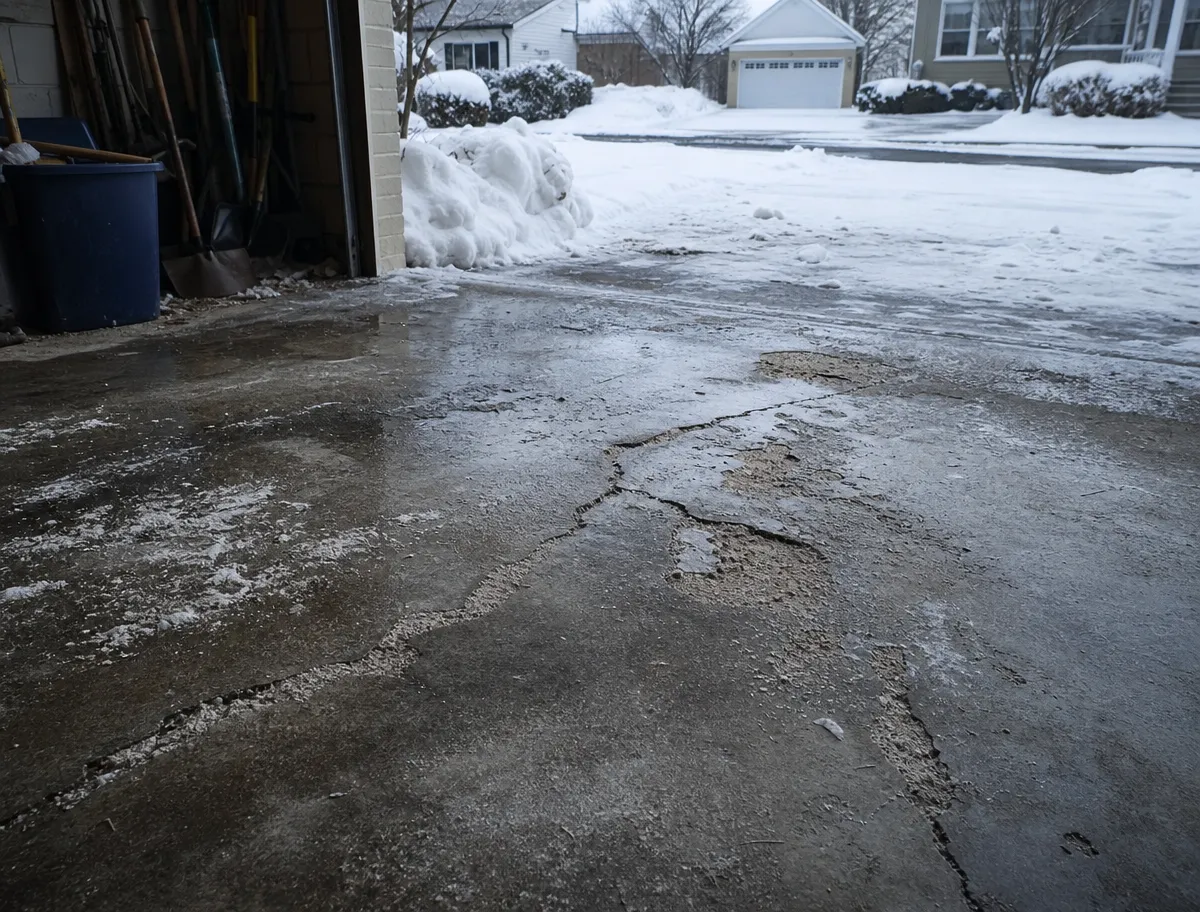
Pennsylvania school floors face a punishing routine every single day. Hundreds of students moving between classrooms, cafeterias, and gyms create constant foot traffic. That traffic combines with soilage, moisture, and the street salt Pennsylvania winters drag indoors on boots and tires. Impact, abrasion, and spills from science experiments or lunch trays add further stress, placing unique demands on flooring that standard concrete or worn tile simply can’t handle season after season.
Slip-and-fall risk is well documented in institutional buildings: OSHA’s walking-working surfaces guidance and CDC research on slip, trip, and fall prevention both point to traction and surface condition as leading factors administrators can control through the right flooring system.
What makes school floor coating options safe for students and staff?
Slip resistance sits at the center of safe school floor coating options for Pennsylvania districts. Traction-focused finishes matter most in cafeterias and science labs, spaces where spills happen routinely and standing water or spilled chemicals create real fall risk. A properly coated surface stays gripable even when wet, reducing the chance of injury during busy passing periods — a benchmark reflected in NFSI’s floor safety standards used across the flooring industry.
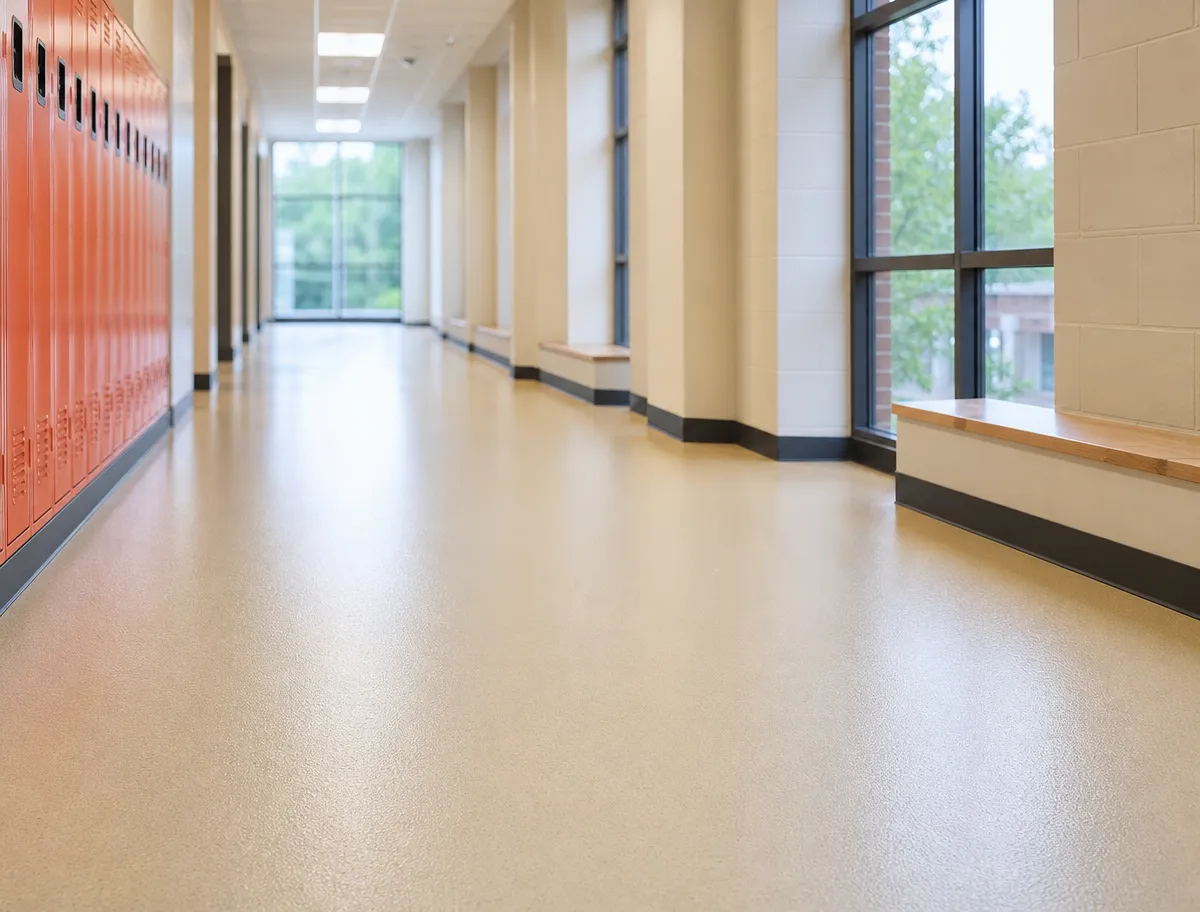
Chemical and moisture resistance matters just as much as traction. A durable coating resists the acids, solvents, and cleaning agents common in labs and kitchens, shielding students and staff from potential hazards before they become incidents.
Why does floor durability affect long-term school safety?
Worn, cracked, or pitted flooring creates tripping hazards that grow more dangerous with each school year. Educational facility floors endure constant abuse from student use. Coatings built for that punishment hold up where standard surfaces fail, measured against benchmarks such as NFSI’s B101 walkway measurement standards for slip resistance.
Pennsylvania facility managers weighing flooring upgrades should consider how coatings perform across these common problem areas:
- Cafeterias — frequent liquid spills demand slip-resistant, easy-clean surfaces
- Science labs — chemical exposure requires resistant, non-porous coatings
- Hallways and entryways — heavy foot traffic and tracked-in salt accelerate wear
- Locker rooms and gyms — moisture and abrasion shorten the life of untreated concrete
A coating engineered for these conditions keeps Pennsylvania schools safer, cleaner, and easier to maintain year-round.
| 🎯 Ready to upgrade your school’s flooring? Get a durability assessment for your PA facility by requesting a free quote from Specialty Concrete Coatings. |
What School Floor Coating Options Exist for PA?
Pennsylvania school districts have several proven paths to safer, longer-lasting floors, and the right choice depends on how a space gets used every day. School floor coating options typically include epoxy basecoats, polyaspartic topcoats, and broadcast chip systems, each solving a different combination of safety and wear concerns. Hallways, gymnasiums, cafeterias, and science labs each place different demands on a floor — explore school floor coating services to see how each system is matched to a space. No single system fits every room in a building.
Safety drives most decisions. Coatings built with anti-slip additives keep floors secure underfoot even when wet, an important detail for cafeterias, entryways, and locker rooms where spills and tracked-in snow are routine during a Pennsylvania winter. Districts weighing options often compare them side by side:
| Coating Type | Best For | Key Strength |
|---|---|---|
| Epoxy basecoat | Classrooms, hallways | Wear and abrasion resistance |
| Polyaspartic/polyurea topcoat | High-traffic corridors, labs | Fast cure, chemical resistance |
| Broadcast chip system | Cafeterias, gyms | Slip resistance, texture control |
Which Floor Coating Handles Heavy School Traffic Best?
Specially formulated coating products stand up to the harsh conditions and constant foot traffic that define a busy school day. Thousands of footsteps, rolling carts, and furniture drags wear down ordinary concrete fast. A properly installed system resists that abuse for years rather than months.
Do Coated Floors Help with Classroom Noise?
Classroom flooring carries responsibilities beyond durability. Systems chosen for learning spaces should support a productive environment, including sound-dampening qualities and ergonomic cushioning underfoot that reduce fatigue for students and staff standing for long stretches.
Specialty Concrete Coatings LLC serves Pennsylvania school facilities from its base in Sandy Lake, PA, bringing regional expertise directly to district maintenance teams evaluating durable, low-maintenance flooring for the next school year.
How Does Coating Handle Cafeterias, Labs, and Gyms?
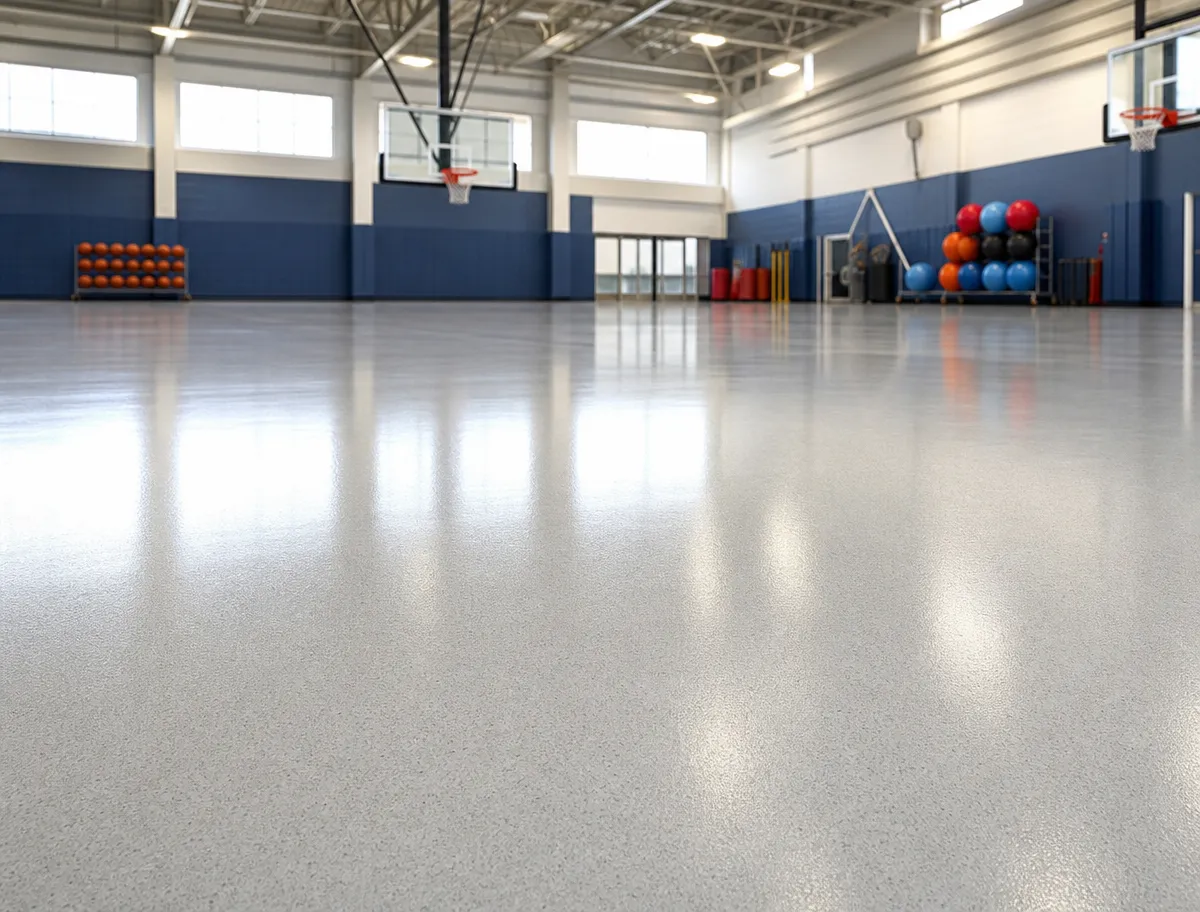
Cafeterias, science labs, and gymnasiums each demand different things from a floor. A properly engineered coating meets all three without compromise. Pennsylvania districts weighing school floor coating options need a surface built for constant motion, spills, and heavy equipment — not one that looks good only on installation day. Air quality matters too: EPA’s indoor air quality design guidance for schools highlights flooring as one factor in a healthy learning environment.
Cafeteria floors absorb the heaviest daily punishment in most buildings: lunch carts, spilled trays, and hundreds of students moving through in short windows. A durable coating system is engineered to handle that continuous foot traffic from students, staff, and visitors, along with the frequent, harsh-chemical cleanings cafeterias require to stay sanitary.
Are Epoxy Coatings Safe for School Science Labs?
Yes. In a lab setting, spilled reagents and moisture pose real hazards, and a chemical- and moisture-resistant surface adds a layer of protection for both students and staff. That resistance matters most in Pennsylvania districts running active chemistry or biology programs, where accidental spills happen without warning. Low-VOC options such as FloorScore-certified flooring standards give districts an added benchmark for indoor air quality when comparing systems.
Gymnasiums bring their own challenge: bleachers, wood subfloors, tile transitions, and rolling equipment all in one space. Coating systems built for education settings are designed to withstand heavy foot traffic while providing long-term protection over concrete, tile, and wood areas alike. A single system can unify flooring across mismatched surfaces.
| Space | Primary Stress | Coating Priority |
|---|---|---|
| Cafeteria | Traffic, spills, harsh cleaners | Chemical resistance, durability |
| Science lab | Reagent spills, moisture | Chemical and moisture protection |
| Gymnasium | Impact, mixed substrates | Long-term surface bonding |
Unlike coatings that fade after a short honeymoon period, fluid-applied systems form a physical bond with the substrate itself. That bonding process is what keeps Pennsylvania school floors performing years after installation, not just months.
What Should Districts Expect During Installation?
Installation follows a structured sequence designed to protect concrete structures for the long term. Protective coatings matter for schools because they significantly boost durability and cut down on the maintenance burden that Pennsylvania weather and heavy foot traffic place on concrete surfaces. Facility managers can expect a process built around minimizing disruption to classrooms, cafeterias, and hallways while delivering a surface engineered for daily wear, consistent with the facility standards outlined by the Pennsylvania Department of Education’s school construction and facilities guidance.
Before crews arrive, districts typically receive a site walkthrough covering scope, timeline, and access needs. Surface prep, coating application, and curing happen in stages, with each phase timed to reduce downtime during the school calendar.
How long does a school coating project take?
Timelines vary by square footage and the condition of the existing concrete. Most projects follow a predictable rhythm of prep, application, and cure time. Scheduling around breaks or weekends helps districts avoid interrupting instruction. Coordinating directly with a contractor before work begins gives administrators a clearer picture of what to expect on-site.
What results should administrators expect once the project wraps?
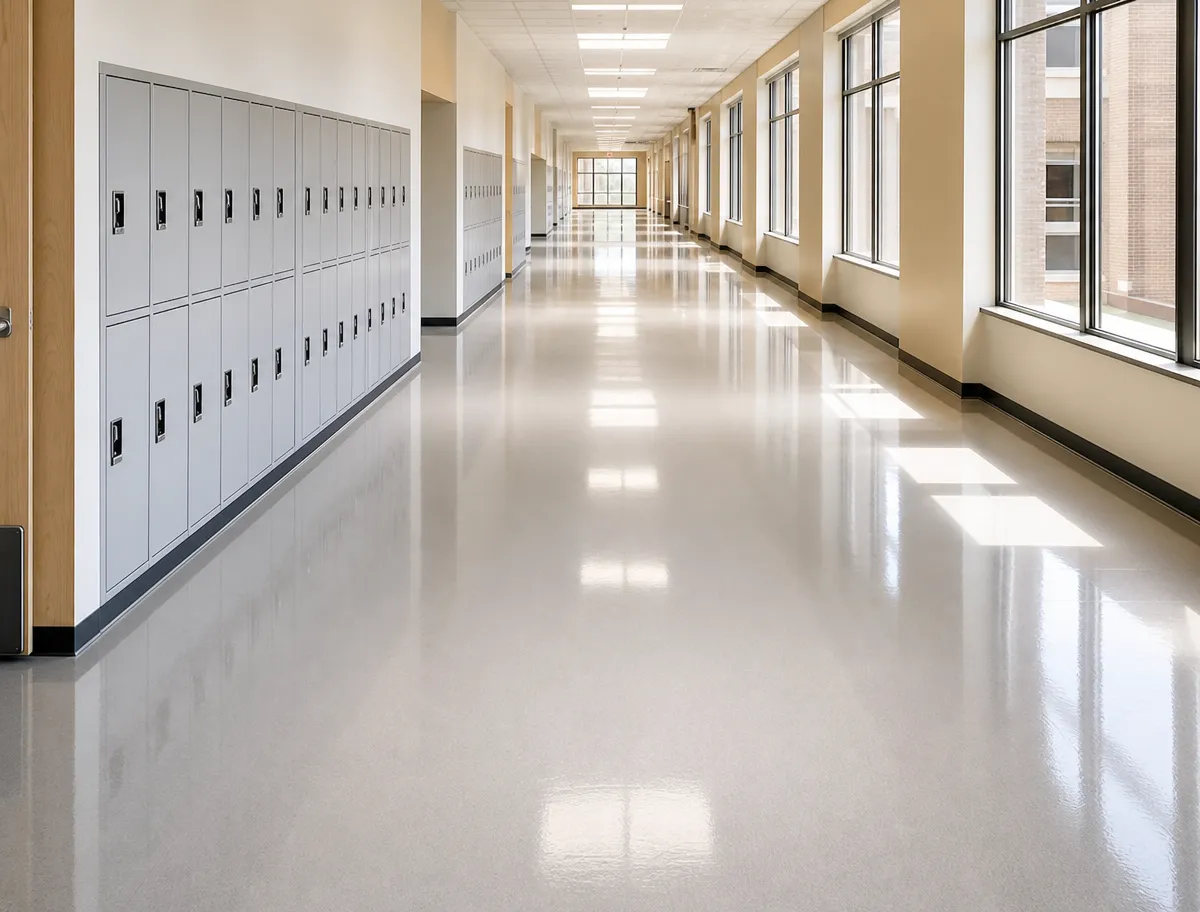
A finished project should noticeably improve the appearance, safety, and cleanliness of the building, whether it’s a gymnasium, cafeteria, or science lab. Coating systems are built to hold up against heavy foot traffic and deliver long-term protection across concrete, tile, and other high-use surfaces. That combination gives districts a floor that looks better and performs better for years.
School floor coating options vary by facility type, so property owners and district staff considering a project are encouraged to contact Specialty Concrete Coatings for a free quote before scheduling installation. That conversation typically covers surface condition, timeline, and color selection ahead of any work.
How Should PA Districts Choose a Coating Partner?
Pennsylvania school facility managers should judge coating partners on durability, safety performance, and responsiveness to district timelines, not on price alone. A contractor with a proven record in high-traffic institutional buildings protects a district’s budget far better than the lowest bid. Specialty Concrete Coatings LLC serves schools throughout Northwest Pennsylvania and the Pittsburgh metro area, giving administrators a single point of contact from consultation through final walkthrough.
What Should a School Floor Coating Partner Offer Beyond Durability?
Durability alone does not make a strong classroom floor. Flooring carries responsibility for a productive learning environment, including sound-dampening qualities and ergonomic cushioning underfoot that ease fatigue during long class periods. A district weighing school floor coating options should ask how a candidate system performs on acoustics, not just abrasion resistance.
Does Local Presence Matter for School Coating Projects?
It matters more than many administrators assume. Based in Sandy Lake, PA, Specialty Concrete Coatings LLC is positioned to respond quickly to Pennsylvania K-12 facilities, coordinating scheduling and on-site work around academic calendars and summer break windows.
Districts comparing candidates should confirm the partner delivers:
- Resistance to constant foot traffic and daily wear from students
- Acoustic and cushioning benefits suited to classroom settings
- Documented experience with high-occupancy institutional buildings
- Local scheduling flexibility tied to the school calendar
Facility managers ready to compare systems can start with the standardized conversion prompt used throughout the site: requesting a free quote, a low-risk first step toward a safer, longer-lasting floor.
Frequently Asked Questions
What makes epoxy flooring a safe choice for K-12 schools?
Slip-resistant, traction-focused finishes keep surfaces gripable even when wet, reducing fall risk in cafeterias and science labs where spills happen routinely.
How do school floor coatings hold up against Pennsylvania winters?
Polyurea basecoats and UV-stable polyaspartic clear coats resist soilage, street salt, and impact damage that tracked-in winter conditions bring into hallways and entryways.
Which areas of a school benefit most from durable floor coatings?
Cafeterias, science labs, hallways, entryways, locker rooms, and gyms all benefit. Each faces spills, chemical exposure, heavy traffic, or moisture that standard concrete can’t withstand.
How long does a school floor coating installation take?
Most school coating projects take a few days to about two weeks, depending on square footage and existing floor condition. Scheduling installation around a school break or weekend lets classrooms, cafeterias, and gyms stay fully usable once curing is complete.
How much does school floor coating cost for a PA facility?
Cost depends on square footage, existing concrete condition, and the coating system selected — epoxy basecoats, polyaspartic topcoats, or broadcast chip systems all carry different price points. Pennsylvania districts should request a free on-site quote for accurate, facility-specific pricing.
TL;DR — School Floor Coating at a Glance
- Polyurea basecoats and UV-stable polyaspartic topcoats give PA schools slip-resistant, chemical-resistant floors built for daily wear.
- Cafeterias, science labs, hallways, and gyms each need a coating system matched to their specific spills, traffic, and chemical exposure.
- Professional installation is scheduled around the school calendar to minimize classroom disruption.
- A seamless, low-maintenance surface cuts cleaning time and resists Pennsylvania winter salt and moisture.
- Ready to protect your facility? Request a free school floor coating quote today.
Conclusion
In closing, selecting the right floor coating for your K-12 facility requires balancing safety, durability, and long-term value. A professionally applied concrete coating system delivers the slip resistance, chemical resistance, and low-maintenance performance that busy school environments demand, while protecting your investment for years to come. By prioritizing quality installation and proven coating technologies, your facility gains a resilient surface that supports both student safety and operational efficiency.
Related Resources
- School Floor Coating Services for K-12 Facilities
- Concrete Coating Company Serving Pittsburgh, PA
- Commercial Concrete Floor Coatings for Long-Lasting Performance
- The Ultimate Guide to Commercial Floor Coatings
- Scheduling Commercial Concrete Coating Installation in NW Pennsylvania
- Understanding Concrete Coating Weather Resistance
Get a Free School Floor Coating Quote
Every Pennsylvania school building is different, and the right coating system depends on your facility’s traffic patterns, chemical exposure, and maintenance budget. Contact Specialty Concrete Coatings to request a free, no-obligation quote and find the safest, most durable flooring solution for your K-12 facility.
About Specialty Concrete Coatings
Specialty Concrete Coatings LLC is a Sandy Lake, PA-based commercial and residential concrete coating contractor serving school districts and facility managers throughout Northwest Pennsylvania and the greater Pittsburgh metro area. The team specializes in polyurea, polyaspartic, and epoxy flooring systems engineered for high-traffic institutional environments, delivering durable, slip-resistant, low-maintenance floors for K-12 facilities.