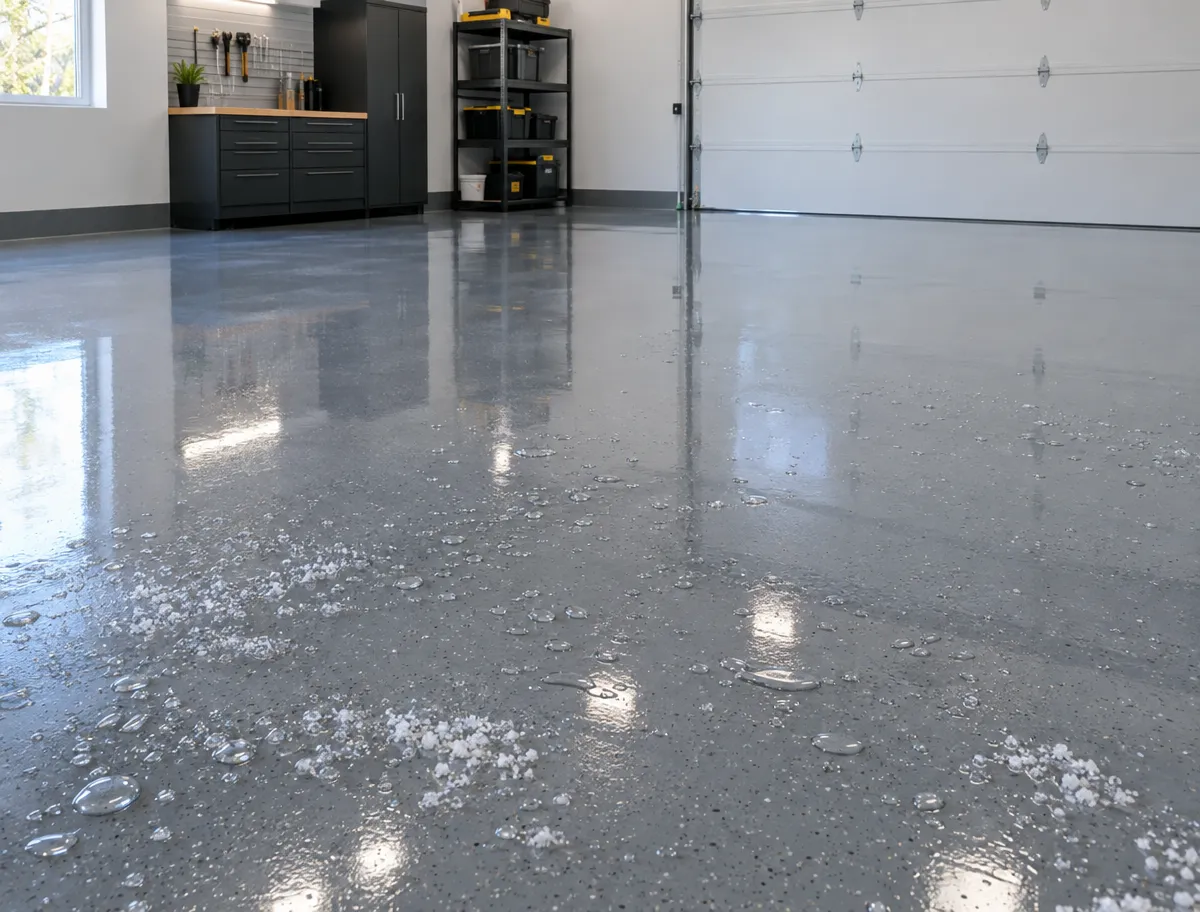
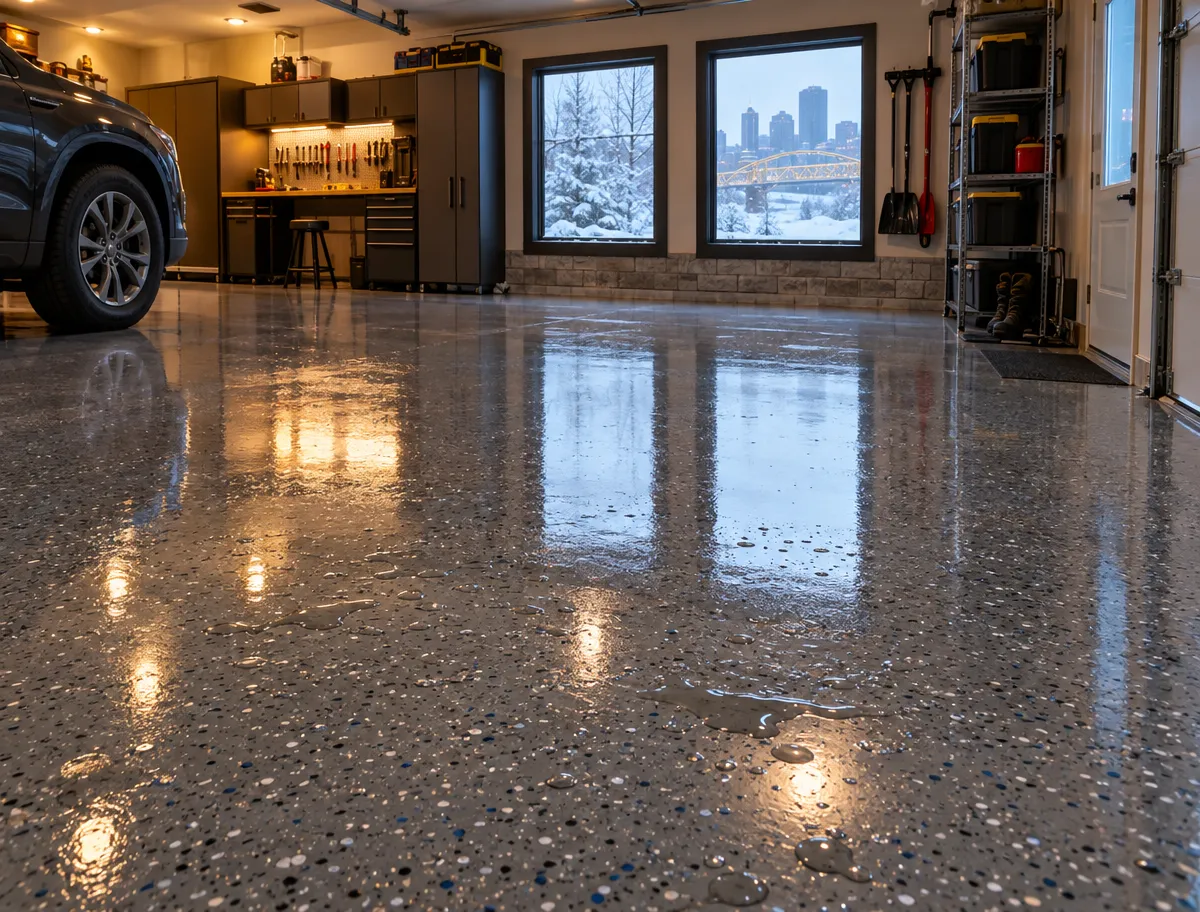
Quick Answer: The best gym floor coating for concrete is a polyurea basecoat system topped with a UV-stable polyaspartic clear coat, engineered to outperform traditional epoxy under heavy equipment, dropped weights, and constant foot traffic. Specialty Concrete Coatings installs this system with hand-broadcast vinyl chips for slip resistance, delivering surfaces that support equipment traffic within 24 hours and reach full use within 48 hours. This combination resists cracking, chipping, and staining far longer than bare or sealed concrete alone.
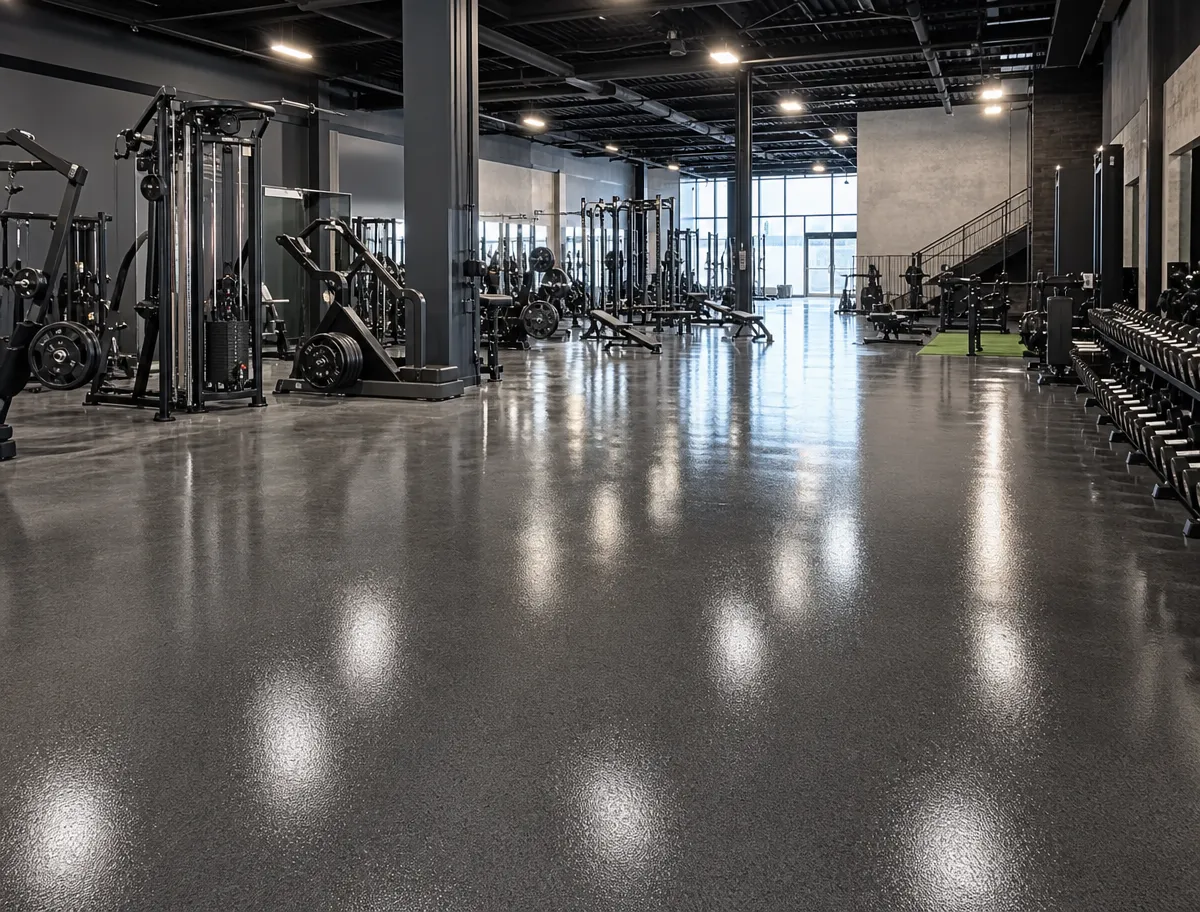
Heavy-duty fitness facilities require a polyurea basecoat system, engineered stronger than traditional epoxy, topped with a UV-stable polyaspartic clear coat for abrasion and chemical resistance. Specialty Concrete Coatings LLC installs this system with hand-broadcast vinyl chips for slip resistance, delivering surfaces ready for equipment traffic within 24 hours and suitable for full use shortly thereafter.
What Are the Key Benefits of a Gym Floor Coating?
- Gym floor coatings withstand continuous foot traffic, vibrations from equipment, and impact damage in institutional fitness facilities.
- Specialty Concrete Coatings LLC in Sandy Lake, PA provides professional gym floor coating solutions for commercial and residential settings.
- Concrete gym floor coatings reduce maintenance levels while improving durability and aesthetic appearance compared to uncoated surfaces.
- Professional gym floor coatings offer varying drying times and eco-friendly options depending on the specific coating type selected.
Why Does Gym Flooring Fail So Fast?
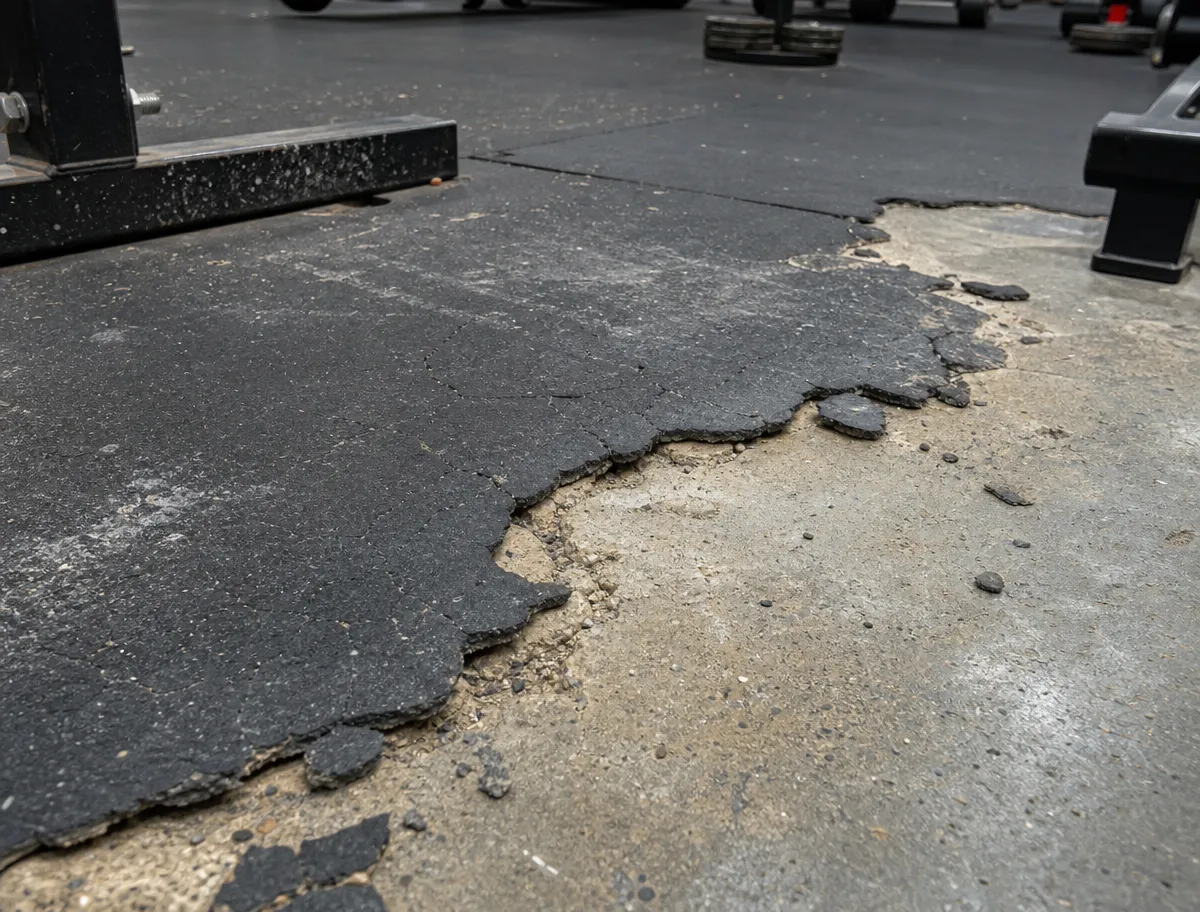
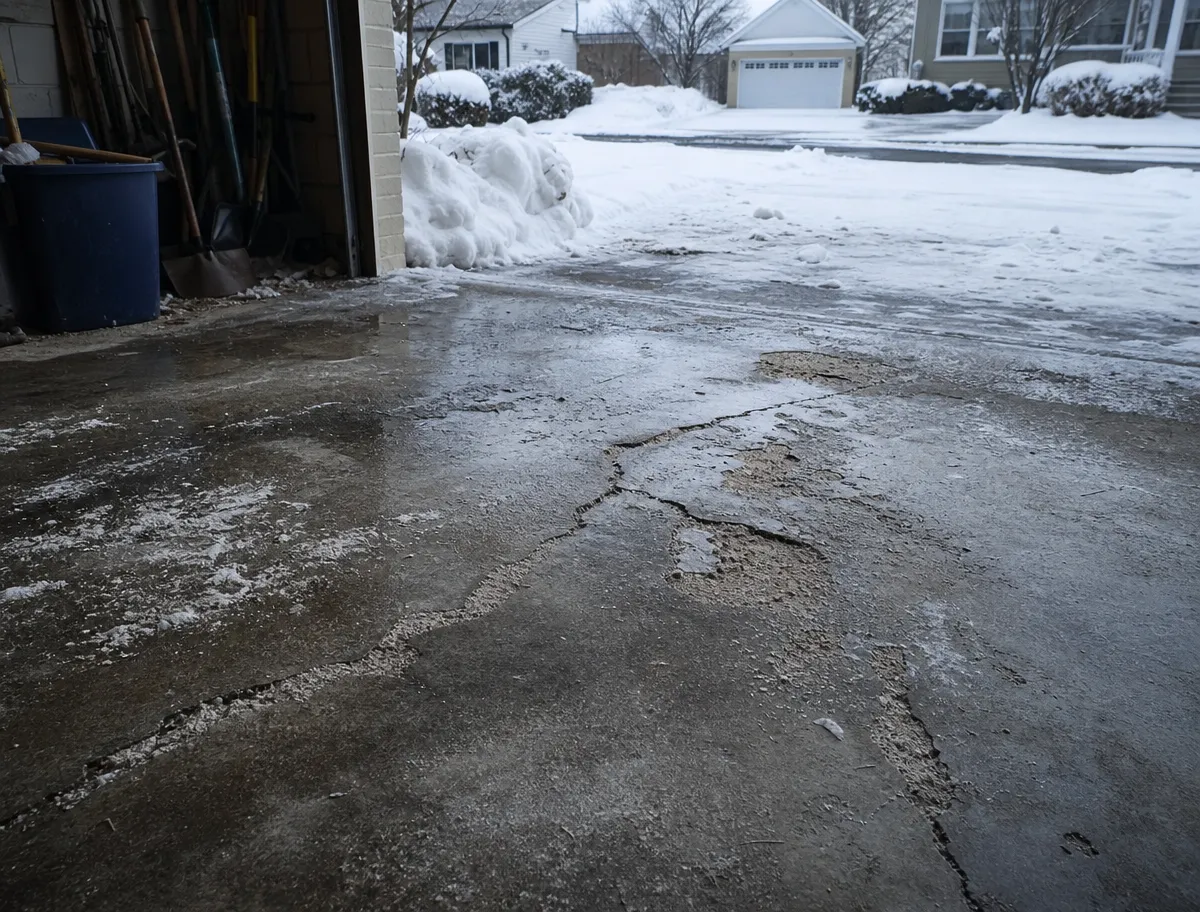
Ordinary concrete surfaces crack, pit, and stain because gyms subject them to punishment few floors were built to survive. Dropped weights, rolling equipment, and hundreds of daily footsteps generate constant vibration and impact stress. Sealed or bare concrete has no defense against that combination, so damage compounds fast.
Fitness area flooring faces continuous foot traffic, equipment vibration, and repeated abrasion that standard slabs simply weren’t engineered to absorb. Add sweat, cleaning chemicals, and rubber mat staining, and the surface deteriorates even quicker. Small surface cracks widen under repeated loading until they become tripping hazards.
What Actually Causes Concrete to Break Down in a Gym?
Weak surface prep is usually the root problem. A slab that hasn’t been properly ground and sealed absorbs moisture, chemicals, and impact energy directly into the concrete pores, accelerating cracking and dusting. Recognized concrete surface preparation and coating selection guidance identifies proper prep as the single biggest factor separating a coating that bonds from one that fails early.
Can the Right Coating Prevent These Failures?
A properly installed gym floor coating concrete system spreads impact loads across a reinforced surface instead of letting stress concentrate on bare concrete. Facilities that invest in a durable base layer see far fewer cracks, less pitting, and a longer service life overall.
Specialty Concrete Coatings has specialized in transforming concrete floors for years, giving the crew hands-on experience with the demanding conditions fitness facilities create daily. That track record matters when equipment vibration and heavy traffic are part of the job every single day.
Operating from Sandy Lake, PA, Specialty Concrete Coatings LLC positions itself to respond quickly to gym owners, athletic directors, and facility managers across the surrounding region. Fast response matters when a cracked floor threatens member safety or forces a temporary shutdown.
Which Gym Floor Coating Handles Heavy Impact?
Polyurea outperforms standard coating materials when dropped weights, heavy machines, and constant foot traffic hit the floor day after day. A polyurea base layer creates a strong, flexible surface that resists cracking under repeated impact rather than absorbing damage like a rigid film — an approach consistent with the ACI guide to concrete floor and slab construction. That flexibility matters most in weight rooms and CrossFit boxes, where barbells and kettlebells strike concrete constantly. For any facility running gym floor coating concrete projects, that resilience separates a floor that lasts from one that chips within months.
Protective coatings do more than survive impact. Properly applied systems extend the life of the underlying concrete significantly and cut long-term maintenance demands tied to mechanical wear. Environmental exposure — sweat, cleaning chemicals, humidity, and heavy equipment — all take a toll over time. A facility that skips protective coating invites cracking, pitting, and dust that shortens the floor’s usable life and drives up upkeep costs.
Is Polyurea Better Than Epoxy for Gym Floors?
Polyurea generally handles impact and flexing better than standard epoxy, which tends to be harder and more brittle. Epoxy can crack or chip when heavy plates or equipment repeatedly strike the surface. Polyurea’s flexible chemistry absorbs that stress instead of transferring it into the slab.
Comparison at a Glance
| Factor | Polyurea Base | Standard Epoxy |
| Impact resistance | High — flexes under stress | Lower — prone to chipping |
| Cracking risk | Reduced | Higher under heavy loads |
| Best use case | Weight rooms, athletic facilities | Light-traffic areas |
Facility owners and home gym builders considering a coating upgrade should treat it as a genuine investment. A quality system protects the concrete slab underneath while improving how the space looks. Performs for members and athletes alike.
📞 Ready to Get Started? Don’t wait for a dropped plate to crack your slab. Contact Specialty Concrete Coatings today for a free, no-obligation quote on gym floor coating for concrete in your facility.
Is Epoxy Alone Enough For A Gym Floor?
Standard epoxy falls short once heavy equipment, dropped weights, and daily foot traffic settle into a routine. Peeling, chipping, and slick spots often appear as the coating wears under repeated impact. For a facility running classes seven days a week, that kind of breakdown turns into a liability fast.
Why Does Epoxy Fail In Gym Settings?
Bond failure sits at the root of most epoxy problems in fitness spaces. Weight plates dropped from height crack or chip the surface. Moisture and sweat create slippery zones that compromise member safety — the same class of slip, trip, and fall hazards OSHA flags in other high-moisture work environments. Over time, the finish also dulls or yellows, leaving a facility looking worn long before the concrete underneath actually is.
Specialty Concrete Coatings LLC installs coating systems across residential, commercial, and industrial buildings, giving athletic directors and facility managers a tested alternative to basic gym floor coating concrete projects that rely on epoxy alone. Rather than a single-layer application prone to bond failure, the approach centers on systems built for repeated impact and heavy use.
What Makes A Gym Floor Coating More Durable?
A facility’s flooring needs to handle more than foot traffic. It needs to survive dropped equipment, constant cleaning, and daily wear without losing grip or gloss. Experience matters here. Specialty Concrete Coatings has coated concrete floors across hundreds of properties throughout Greater Pittsburgh, Northwest Pennsylvania, a track record that reflects real problem-solving in demanding environments.
That breadth of installations includes:
- Commercial gyms and fitness studios
- Home gym spaces built for heavy training
- Industrial and commercial buildings with high-traffic flooring needs
Gym owners and home gym builders weighing epoxy against a more resilient system should request a free quote today to compare options suited to their specific training environment.
How Fast Can A Gym Floor Return To Use?
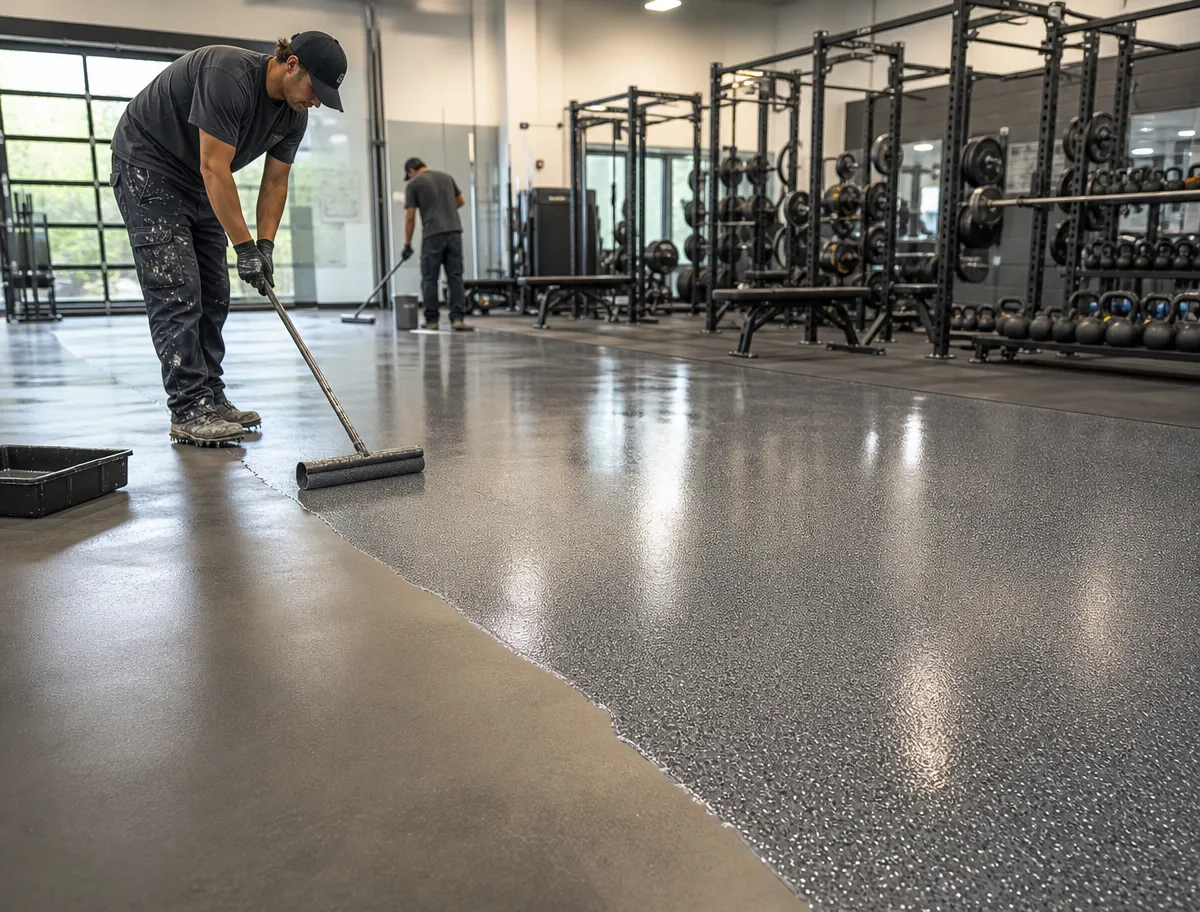
Gym floors coated by experienced installers often return to service within a single day. Skilled crews can turn a worn, dull slab into a finished, glossy surface without the multi-week disruption traditional flooring projects demand. For fitness facility managers juggling class schedules and membership expectations, that speed matters as much as durability.
Does gym floor coating concrete finish faster than other flooring systems?
Yes — a properly installed gym floor coating concrete system moves from prep to finished surface much faster than tile, rubber, or poured resin alternatives that require extended cure windows. The exact timeline still depends on scope. Coating type, room size, and how much surface repair the slab needs all factor into how quickly a facility gets back online.
What determines the project timeline for a fitness facility?
No two gyms present identical conditions, so timelines shift based on a few variables:
- Coating type — some systems cure faster than others, affecting downtime.
- Facility size — a small home gym finishes quicker than a full commercial floor.
- Surface preparation — cracked or heavily worn concrete needs more repair work before coating begins.
Beyond speed, the finished surface itself supports long-term facility operations. A seamless, monolithic coating leaves no grout lines or crevices behind. That matters in high-traffic fitness spaces, where sweat, dropped water bottles, and constant foot movement push moisture and debris into every available gap. Eliminating those seams keeps cleaning crews from fighting trapped grime after every session. It keeps the floor looking finished long after installation day ends.
What Should You Ask Before Hiring A Contractor?
Six specific questions separate a lasting gym floor from a costly redo. Facility owners, athletic directors, and home gym builders should treat gym floor coating concrete as an essential investment, one that protects the slab beneath heavy equipment while sharpening the room’s appearance. Skipping the vetting process risks bond failure, chipped edges, and a facility closed for repairs during peak membership season.
How long will the coating take to install and cure?
Scheduling matters more in a working gym than almost anywhere else. Water-based low-VOC coating systems typically dry within 2 to 3 hours between coats, a detail worth confirming if classes or open gym hours can’t be interrupted for long. Ask for a written timeline, not a rough estimate, so staff can plan around it.
Does the contractor work on-site in the facility’s region?
Local presence affects response time, consultation quality, and long-term support. Contractors based in Northwest Pennsylvania and serving the Pittsburgh metro area, such as a Sandy Lake, PA-based team, can provide direct on-site consultation and hands-on installation rather than managing the job remotely.
Before signing anything, facility managers should also confirm:
- Warranty terms covering peeling, cracking, or discoloration
- Surface preparation methods used before the coating goes down
- Product type — polyurea, epoxy, or a hybrid system suited to gym traffic
- References from other athletic or fitness facilities in the region
A contractor who answers these questions clearly, without vague timelines or unclear warranty language, has likely earned the trust of other facility owners already.
Frequently Asked Questions
How long before a heavy-duty gym floor coating is ready for use?
The polyurea and polyaspartic system supports equipment traffic within 24 hours and reaches full use within 48 hours after installation, minimizing facility downtime for gym owners.
Is polyurea better than epoxy for a gym floor coating?
Yes. Polyurea’s flexible chemistry resists cracking and chipping under dropped weights and heavy equipment far better than standard epoxy, which is harder and more brittle.
How much does gym floor coating for concrete typically cost?
Cost depends on facility size, existing slab condition, and the coating system selected. Request a free on-site quote from Specialty Concrete Coatings for an accurate, project-specific estimate.
Does a gym floor coating make the surface slip-resistant?
Yes. Hand-broadcast vinyl chips are worked into the coating system to create slip resistance for members and staff, even in areas exposed to sweat and cleaning chemicals.
How long does a gym floor coating last before it needs to be redone?
A properly installed polyurea and polyaspartic system significantly extends the service life of the underlying concrete and reduces long-term maintenance compared to bare or epoxy-coated floors, though exact lifespan depends on traffic levels and upkeep.
TL;DR — Gym Floor Coating for Concrete at a Glance
- Polyurea + polyaspartic systems outperform standard epoxy under heavy equipment and dropped weights.
- Hand-broadcast vinyl chips add slip resistance for member and staff safety.
- Coated floors support equipment traffic within 24 hours and reach full use within 48 hours.
- A seamless, monolithic coating eliminates grout lines and trapped grime.
- Specialty Concrete Coatings serves fitness facilities across Northwest Pennsylvania and the Pittsburgh metro area.
- Next step: Request a free, no-obligation quote from Specialty Concrete Coatings today.
Related Resources
- Commercial Fitness & Gym Floor Coatings
- Pittsburgh, PA Concrete Coating Company
- Commercial Concrete Floor Coatings for Long-Lasting Durability
- Choosing Between Epoxy and Polyurea for Your Garage Floor
- Polyaspartic Floor Coating Cost Guide
- Polyurea Concrete Coating Explained
Get a Free Gym Floor Coating Quote
A durable gym floor coating transforms your fitness facility into a professional, safe environment built to withstand the demands of heavy equipment and high-traffic use. Specialty Concrete Coatings delivers the engineered systems and expert installation your facility requires, ensuring your concrete investment remains attractive and functional for years to come.
Contact Specialty Concrete Coatings today for a free, no-obligation quote and protect your space while elevating your members’ experience.
About Specialty Concrete Coatings: Specialty Concrete Coatings is a Sandy Lake, PA-based concrete coating company serving residential, commercial, and industrial facilities across Northwest Pennsylvania and the Pittsburgh metro area, specializing in polyurea and polyaspartic floor coating systems built for heavy-traffic environments like fitness facilities and gyms.