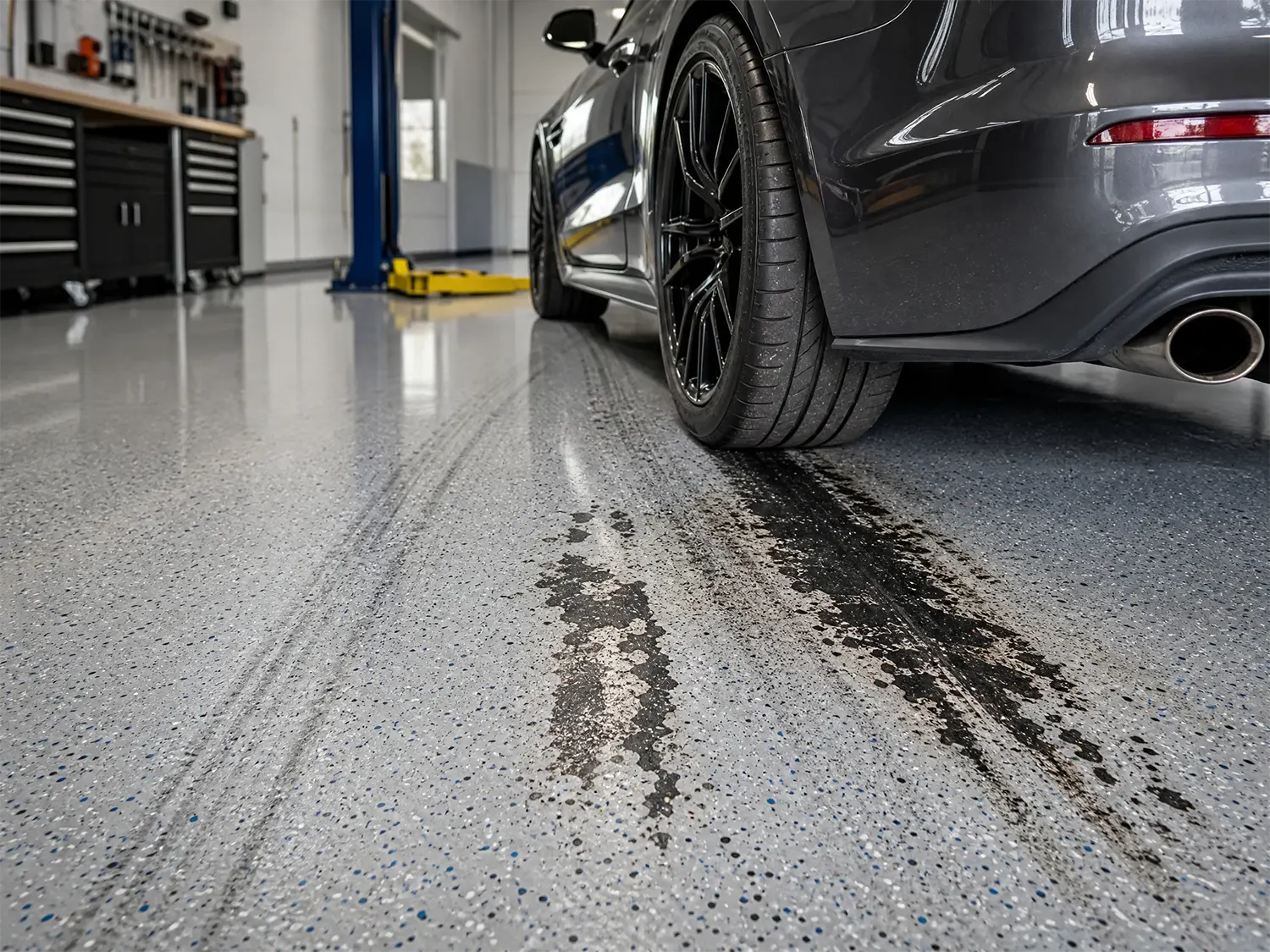
Hot tire pickup occurs when the heat generated by vehicle tires softens the epoxy floor coating, causing it to lift or tear. This issue is common in garages and commercial automotive spaces where vehicles are frequently parked or driven. To prevent hot tire pickup, it is essential to use high-quality, heat-resistant epoxy products, apply sufficient coating thickness, and allow proper curing time before exposing the floor to vehicle traffic. Implementing these measures helps maintain the durability and appearance of epoxy floors.
In this article, we will explore the factors contributing to hot tire pickup, effective prevention strategies, and durable coating solutions that can help mitigate this problem. We will also discuss the importance of proper surface preparation and maintenance practices to extend the life of your epoxy flooring.
Overview
Hot tire pickup refers to the phenomenon where the heat from vehicle tires causes the epoxy coating on floors to soften, leading to surface damage. This issue is particularly prevalent in areas with high traffic or where vehicles are parked for extended periods. The implications of hot tire pickup can be significant, resulting in unsightly marks and potential damage to the flooring. Preventing this issue is crucial for maintaining the aesthetic and functional qualities of epoxy floors.
Causes
Several factors contribute to hot tire pickup on epoxy floors, including:
- Product Formulation The chemical composition of the epoxy can significantly affect its resistance to heat. Lower-quality formulations may not withstand the heat generated by tires. Research on how plasticizers in rubber interact with polymer matrices confirms that polymer chemistry is the root cause of heat-related softening failures.
- Coating Thickness Insufficient coating thickness can lead to inadequate protection against heat. Thicker coatings generally provide better resistance to hot tire pickup.
- Cure Time If the epoxy is not allowed to cure properly, it may not achieve the necessary hardness and durability, making it more susceptible to damage from heat.
Understanding these causes is essential for selecting the right epoxy products and ensuring proper application.
Prevention Strategies
To effectively prevent hot tire pickup on epoxy floors, consider the following strategies:
- Use Professional Products Opt for high-quality epoxy formulations specifically designed to resist heat and tire marks.
- Increase Coating Thickness Applying a thicker layer of epoxy can enhance its durability and resistance to hot tire pickup.
- Allow Proper Curing Time Ensure that the epoxy is allowed to cure fully according to the manufacturer’s recommendations before exposing it to vehicle traffic.
By implementing these strategies, you can significantly reduce the risk of hot tire pickup and maintain the integrity of your epoxy flooring.
Specialty Concrete Coatings LLC offers a range of durable epoxy garage floor coatings designed to prevent common issues such as hot tire pickup. Their high-quality coatings resist tire marks and damage caused by heat and friction from vehicle tires, ensuring a long-lasting and aesthetically pleasing surface.
Durable Coating Solutions
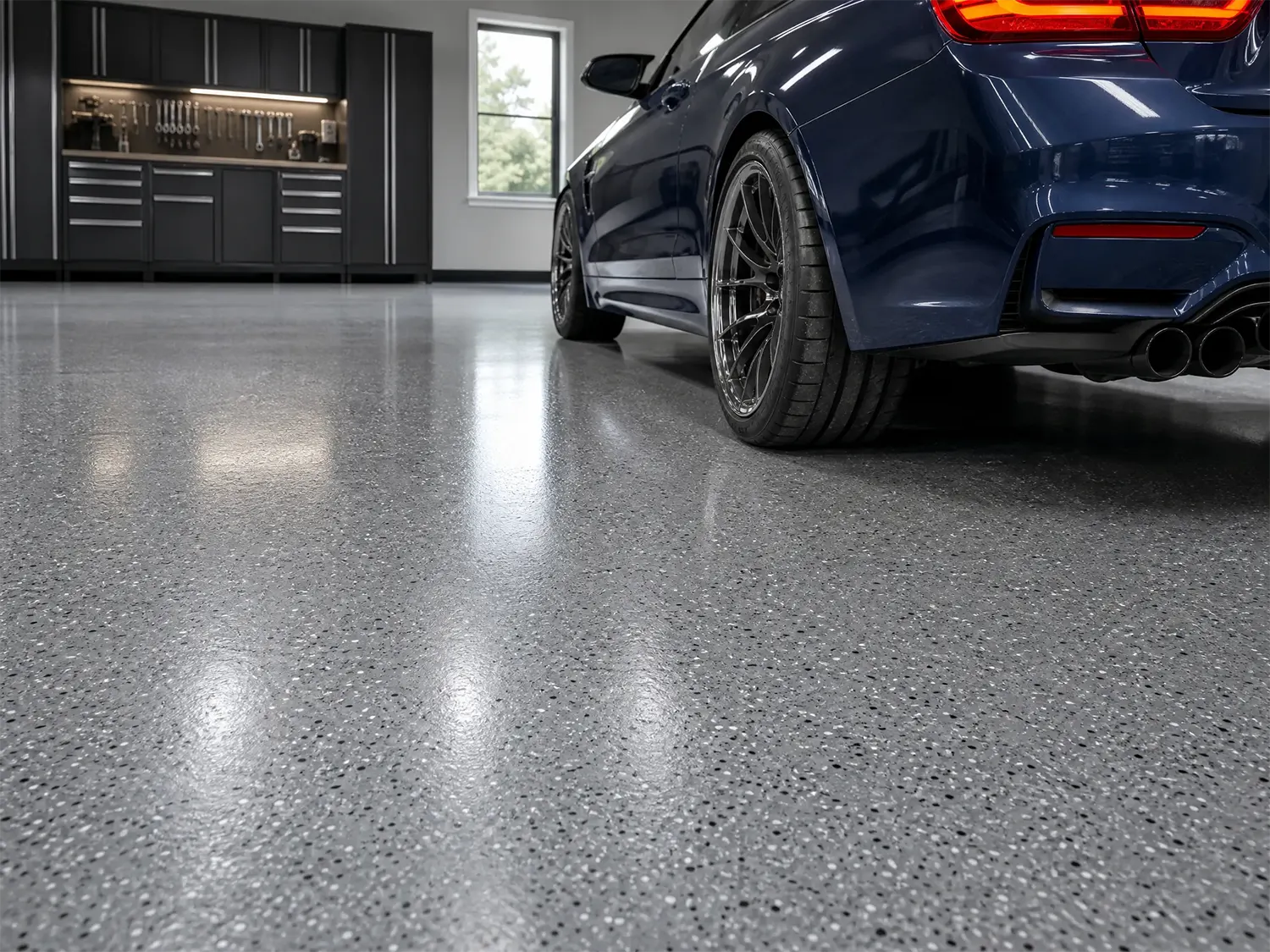
When it comes to selecting coatings that resist hot tire pickup, consider the following options:
- Polyaspartic Coatings Known for their rapid curing times and excellent heat resistance, polyaspartic coatings are ideal for high-traffic areas.
- High-Quality Epoxy Systems These formulations are designed to withstand the rigors of vehicle traffic while providing a durable and attractive finish.
- Urethane Topcoats Adding a urethane topcoat can enhance the heat resistance of the underlying epoxy, providing an additional layer of protection. See our guide on polyaspartic coating pros and cons to compare topcoat options for your garage.
These durable coating solutions can help ensure that your epoxy floors remain in excellent condition, even under heavy use.
What Causes Hot Tire Pickup on Epoxy Floor Coatings?
Hot tire pickup is primarily caused by the heat generated from tires, which can soften the epoxy coating. This is particularly problematic with lower-quality DIY coatings compared to professional-grade options that may have a low softening point. Additionally, inadequate coating thickness can exacerbate the issue, as thinner layers are more susceptible to damage from heat. Understanding these factors is crucial for selecting the right products and ensuring proper application.
How Does Tire Heat Affect Epoxy Floor Durability?
Tire heat can significantly impact the durability of epoxy floors. The temperature resistance of the coating plays a vital role in its ability to withstand the heat generated by tires. If the coating is too thin or not properly cured, it may not provide adequate protection, leading to adhesion failure and surface damage. Ensuring that the epoxy is applied correctly and allowed to cure fully is essential for maintaining its durability. Learn more about how long polyaspartic floor coatings last when applied and cured correctly.
Which Epoxy Floor Coatings Resist Hot Tire Pickup Best?
The best epoxy floor coatings for preventing hot tire pickup include:
- Polyaspartic Coatings These coatings offer superior heat resistance and durability, making them ideal for high-traffic areas.
- High-Quality Epoxy Formulations Look for products specifically designed to withstand heat and tire marks.
- Comparison of Performance When selecting a coating, consider the performance characteristics of different products to find the best fit for your needs.
What Are the Key Attributes of Heat-Resistant Epoxy Coatings?
Heat-resistant epoxy coatings possess several key attributes that enhance their performance:
- Composition of Coatings High-quality formulations often include additives that improve heat resistance and durability.
- Performance Characteristics Look for coatings that offer excellent adhesion, flexibility, and resistance to wear and tear.
- Examples of Effective Products Research and select products that have been tested for heat resistance and have positive reviews from users.
Indeed, the inherent qualities of epoxy resins, such as their robust mechanical and electrical properties, coupled with their excellent heat and chemical resistance, make them a preferred choice for durable coatings. Studies on the thermal and mechanical properties of tire rubber and surface adhesion further illustrate why professional-grade formulations are essential for preventing coating failures in garage environments.
How Can You Prevent Tire Marks on Epoxy Floors?
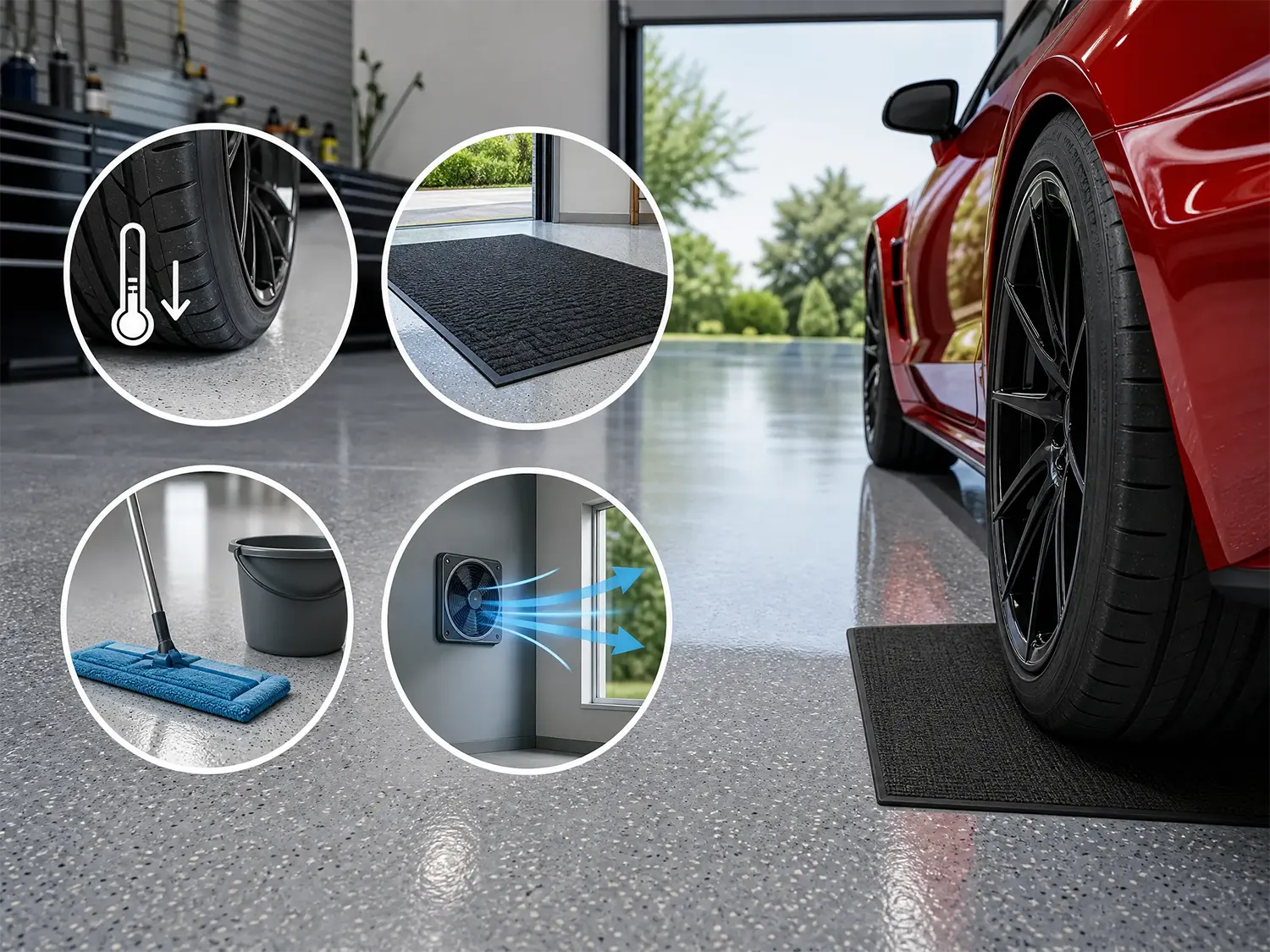
To prevent tire marks on epoxy floors, consider the following techniques:
- Choosing the Right Coating Select a high-quality epoxy formulation designed to resist heat and tire marks.
- Surface Preparation Properly prepare the concrete surface before applying the epoxy to ensure optimal adhesion and performance.
- Curing Time Adherence Follow the manufacturer’s guidelines for curing times to ensure the coating achieves maximum hardness and durability.
What Step-by-Step Methods Minimize Hot Tire Pickup?
To minimize hot tire pickup, follow these step-by-step methods:
Step 1: Choosing the Right Product – Start with a high-quality epoxy or polyaspartic coating that is designed for heat resistance. Read our guide on what homeowners don’t know about polyurea and polyaspartic coatings before making your selection.
Step 2: Increasing Coating Thickness – Apply a thicker layer of coating to enhance durability.
Step 3: Ensuring Proper Cure Time – Allow the coating to cure fully before exposing it to vehicle traffic.
What Maintenance Practices Extend Epoxy Floor Coating Life?
Regular maintenance practices can help extend the life of your epoxy floor coating:
- Regular Cleaning Keep the surface clean to prevent dirt and debris from causing wear.
- Immediate Stain Removal Address any spills or stains promptly to prevent damage.
- Periodic Resealing Consider resealing the floor every few years to maintain its protective qualities.
How Does Proper Concrete Floor Preparation Impact Coating Performance?
Proper concrete floor preparation is critical for ensuring optimal garage concrete coating performance. Key steps include:
- Thorough Cleaning Remove any dirt, grease, or contaminants from the surface to ensure good adhesion.
- Repairing Damage Address any cracks or imperfections in the concrete before applying the epoxy.
- Creating the Right Surface Profile Use grinding or shot blasting to create a suitable surface profile for the epoxy to bond effectively.
By following these preparation steps, you can enhance the performance and longevity of your epoxy floor coating.
Conclusion
Maintaining the integrity of your epoxy floors is crucial, and understanding hot tire pickup can help you achieve that. By selecting high-quality coatings and following proper application techniques, you can significantly reduce the risk of damage from heat and tire marks. Explore our best epoxy concrete coatings for garages to ensure your floors remain in excellent condition. Take the first step towards protecting your investment by browsing our premium products today.
Get a Quote from Specialty Concrete Coatings for Your Epoxy Flooring Needs
Ready to protect your floors from hot tire pickup and other common issues? Contact Specialty Concrete Coatings LLC today for a personalized quote and expert advice on the best epoxy floor coatings for your space.
Frequently Asked Questions
What is the best way to clean epoxy floors to prevent damage?
To clean epoxy floors effectively and prevent damage, use a pH-neutral cleaner and a soft mop or cloth. Avoid harsh chemicals or abrasive tools that can scratch the surface. Regular sweeping or vacuuming helps remove dirt and debris, while immediate attention to spills can prevent staining. For deeper cleaning, consider using a floor scrubber with a soft pad. Always follow the manufacturer’s recommendations for cleaning products to maintain the integrity of the epoxy coating.
How often should epoxy floors be resealed?
Epoxy floors should typically be resealed every 3 to 5 years, depending on the level of traffic and wear they experience. High-traffic areas may require more frequent resealing to maintain their protective qualities. Regular inspections can help determine if resealing is necessary sooner. Resealing not only enhances the floor’s appearance but also provides an additional layer of protection against stains and damage, extending the life of the epoxy coating.
Can hot tire pickup occur with all types of epoxy coatings?
Not all epoxy coatings are equally susceptible to hot tire pickup. High-quality, heat-resistant epoxy formulations are specifically designed to withstand the heat generated by vehicle tires. Lower-quality or improperly applied coatings are more likely to experience hot tire pickup. Therefore, selecting the right product and ensuring proper application techniques are crucial in preventing this issue. Always consult product specifications to understand their heat resistance capabilities.
What are the signs that my epoxy floor needs repair?
Signs that your epoxy floor may need repair include visible peeling, bubbling, or lifting of the coating, as well as discoloration or staining. If you notice cracks or surface damage, it’s essential to address these issues promptly to prevent further deterioration. Additionally, if the floor becomes slippery or loses its shine, it may indicate that the protective layer is compromised. Regular inspections can help catch these problems early, allowing for timely repairs.
Is it possible to apply epoxy over existing coatings?
Yes, it is possible to apply epoxy over existing coatings, but proper surface preparation is crucial. The existing coating must be thoroughly cleaned, and any imperfections should be repaired. Additionally, the surface may need to be sanded or abraded to ensure good adhesion of the new epoxy layer. Always check the compatibility of the new epoxy with the existing coating to avoid adhesion issues. Consulting with a professional can help ensure a successful application.
What factors should I consider when choosing an epoxy coating?
When choosing an epoxy coating, consider factors such as the intended use of the space, traffic levels, and exposure to chemicals or heat. Look for high-quality formulations that offer heat resistance and durability. Additionally, consider the curing time, application method, and maintenance requirements. Aesthetics, such as color and finish, are also important. Consulting with a flooring expert can help you select the best product for your specific needs and conditions.
How can I enhance the slip resistance of my epoxy floor?
To enhance the slip resistance of your epoxy floor, consider adding anti-slip additives during the application process. These additives can improve traction, especially in areas prone to moisture. Additionally, using a textured finish can also help reduce slipperiness. Regular maintenance, such as cleaning to remove contaminants, is essential for maintaining slip resistance. If necessary, you can apply a slip-resistant topcoat to further enhance safety in high-traffic or wet areas.