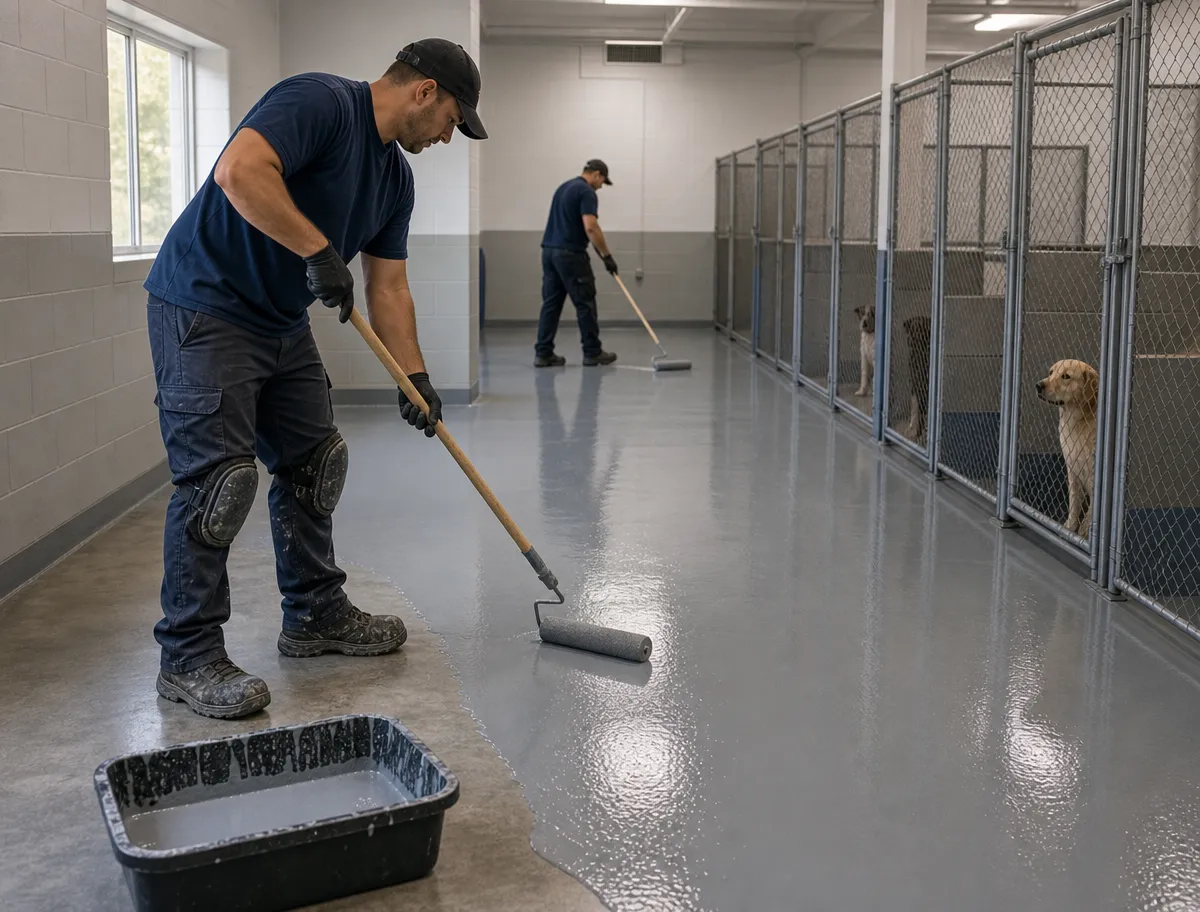
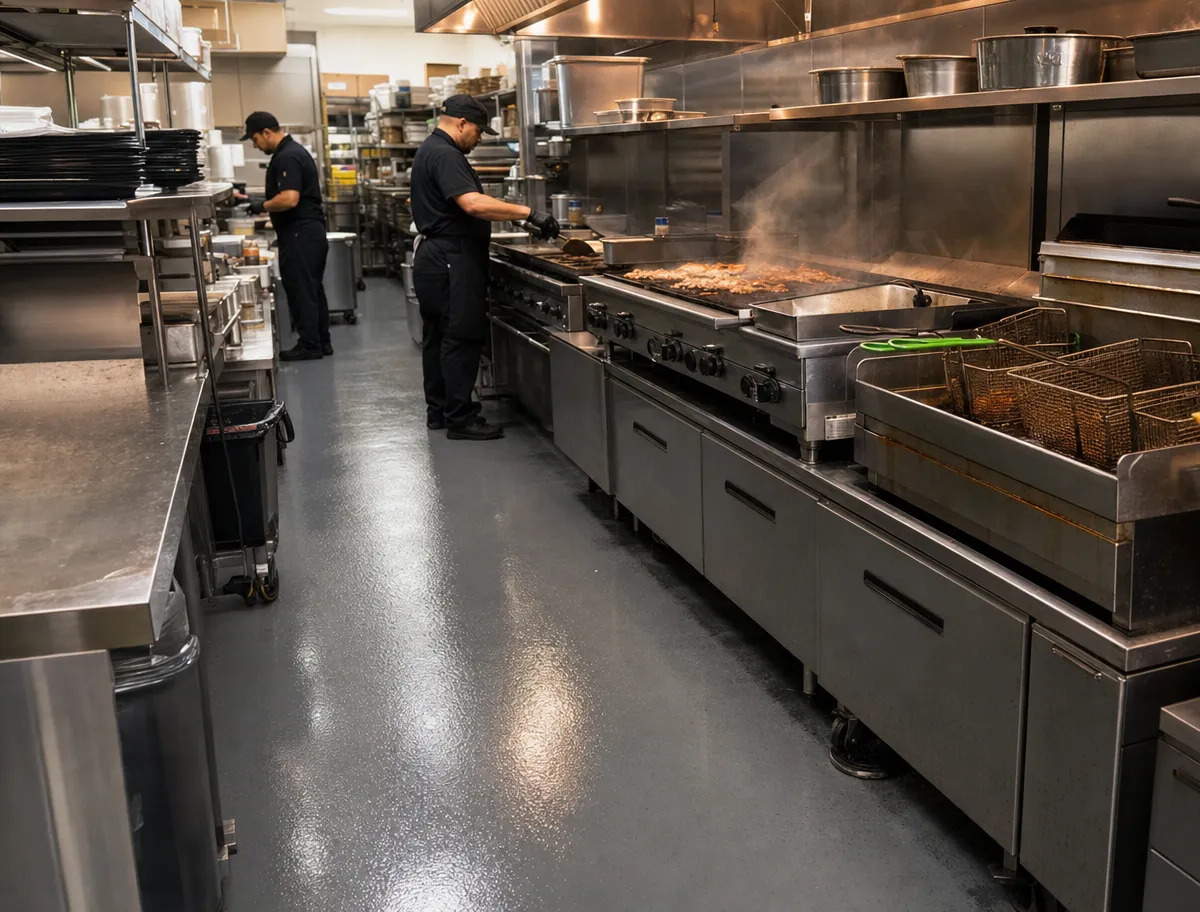
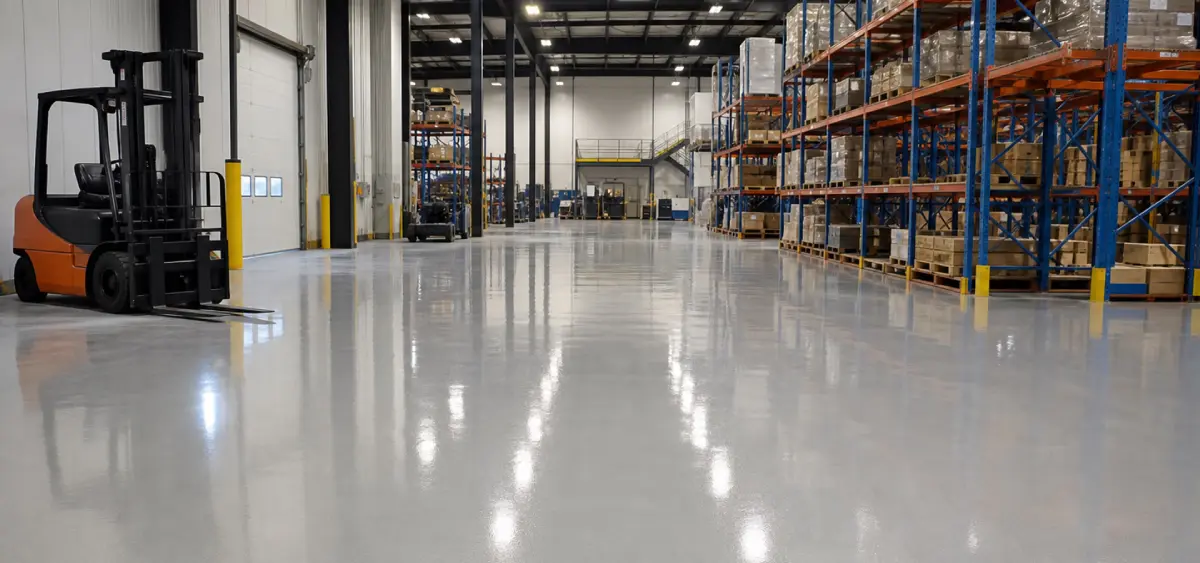
Polyaspartic coatings are a durable, fast-curing, and aesthetically versatile flooring solution suitable for both residential and commercial applications. They offer exceptional resistance to UV rays and chemicals, cure within 24 hours to minimize downtime, and provide a glossy finish with customizable colors and textures. However, they come with a higher initial cost and typically require professional installation. This article explores the key benefits, potential drawbacks, application techniques, and compares polyaspartic coatings to epoxy and polyurethane alternatives to help you make an informed decision.
Overview of Polyaspartic Coating Benefits and Drawbacks
Polyaspartic coatings are a type of protective coating that offers a range of benefits and drawbacks. These coatings are derived from polyaspartic resins, which provide exceptional durability and resistance to wear and tear. Understanding the pros and cons of polyaspartic coatings is essential for making an informed choice about your flooring options.
Specialty Concrete Coatings LLC is a regional concrete coating service provider focused on delivering durable and aesthetic concrete surface solutions primarily in NW Pennsylvania and Greater Pittsburgh. Their expertise can help you navigate the decision-making process regarding polyaspartic coatings.
Advantages of Polyaspartic Coatings
Durability of Polyaspartic Floor Coatings
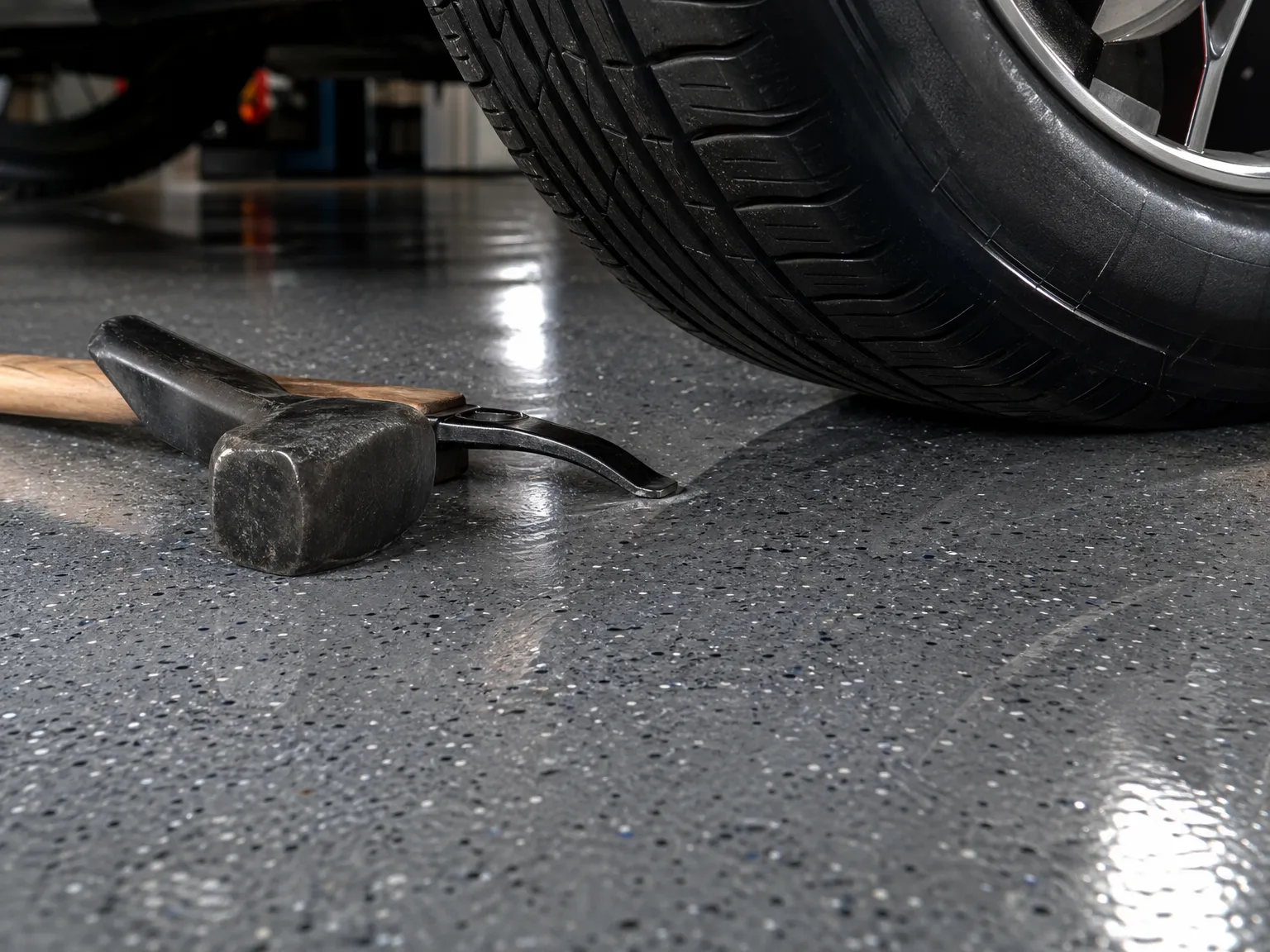
Polyaspartic coatings are renowned for their durability, often lasting between 10 to 20 years with proper maintenance. They exhibit excellent resistance to UV rays and chemicals, making them suitable for various environments, including garages, warehouses, and commercial spaces. This longevity ensures that your investment in polyaspartic coatings pays off over time, reducing the need for frequent replacements. The chemical properties behind this durability are explored in depth in published research on Synthesis and Properties of Polyaspartic Esters (Journal of Coatings Technology and Research).
Fast Curing Time Benefits
One of the standout features of polyaspartic coatings is their fast curing time. These coatings can cure within 24 hours, allowing for minimal downtime during application. This rapid curing process is particularly beneficial for commercial applications where time is of the essence, enabling businesses to resume operations quickly.
Aesthetic Appeal and Customization Options
Polyaspartic coatings offer a glossy finish and a variety of colors and textures, enhancing the visual appeal of any space. This aesthetic versatility allows homeowners and business owners to customize their flooring to match their design preferences, making it an attractive option for both residential and commercial settings.
Environmental Benefits of Polyaspartic Coatings
Another advantage of polyaspartic coatings is their low VOC (volatile organic compounds) emissions. This characteristic makes them safer for indoor applications, contributing to better air quality. Choosing eco-friendly options is increasingly important for consumers, and polyaspartic coatings align with this trend.
Versatile Surface Applications
Polyaspartic coatings can be applied to various surfaces, including concrete, wood, and metal. This versatility makes them suitable for a wide range of applications, from residential garage concrete coatings to industrial facilities. Their adaptability ensures that you can achieve a durable and attractive finish regardless of the substrate.
Low Maintenance Requirements
Once applied, polyaspartic coatings require minimal maintenance. Regular cleaning is typically sufficient to keep the surface looking new, and their durability means they can withstand heavy foot traffic and other wear without significant degradation. This low-maintenance requirement is a significant advantage for busy homeowners and business operators.
Disadvantages of Polyaspartic Coatings
Higher Initial Cost Considerations
One of the primary drawbacks of polyaspartic coatings is their higher initial cost compared to other flooring options. Prices typically range from $5 to $12 per square foot, with labor costs adding an additional $3 to $7 per square foot. While the long-term benefits may justify the investment, the upfront costs can be a barrier for some consumers. For a detailed breakdown, see our guide on polyaspartic floor coating cost.
Importance of Professional Installation
For optimal results, professional installation of polyaspartic coatings is recommended. The application process requires specific skills for surface preparation and coating application, which can be challenging for DIY enthusiasts. Hiring professionals ensures that the coating is applied correctly, maximizing its performance and longevity.
Cost Impact of Customization Features
Customization options, such as decorative flakes and color matching, can increase the overall costs of polyaspartic coatings. While these features enhance the aesthetic appeal, they may not fit every budget. It’s essential to consider these potential additional expenses when planning your flooring project.
Environmental Considerations During Application Process
While polyaspartic coatings are environmentally friendly in terms of VOC emissions, there are still environmental considerations during application. Proper disposal methods for leftover materials and adequate ventilation during the application process are crucial to minimize any potential negative impacts.
Polyaspartic Coating Application Techniques and Best Practices
Applying polyaspartic coatings involves several critical steps to ensure a successful outcome. Proper surface preparation is essential, including cleaning and repairing any damage to the substrate. Consulting professionals can help you achieve the best results, as they have the expertise to navigate the complexities of the application process.
Key Benefits of Polyaspartic Floor Coatings
Polyaspartic floor coatings offer several key benefits that make them an attractive choice for various applications:
- Exceptional Durability: They provide long-lasting protection against wear and tear.
- Quick Application: Fast curing times minimize downtime during installation.
- Chemical and UV Resistance: They withstand harsh environmental conditions without degrading.
These benefits highlight why polyaspartic coatings are increasingly favored in both residential and commercial settings.
How Polyaspartic Coatings Ensure Durability and UV Resistance
Polyaspartic coatings ensure durability and UV resistance through their unique chemical composition. The polyaspartic resin used in these coatings forms a robust bond with the substrate, enhancing its resistance to wear, chemicals, and UV rays. This chemical structure prevents yellowing and degradation, ensuring that the coating maintains its appearance and protective qualities over time. For a deeper look at the science behind this performance, see the UV Resistance and Durability of Polyaspartic Coatings research from the University of North Dakota Energy & Environmental Research Center.
Importance of Fast Curing for Residential and Commercial Concrete Floors
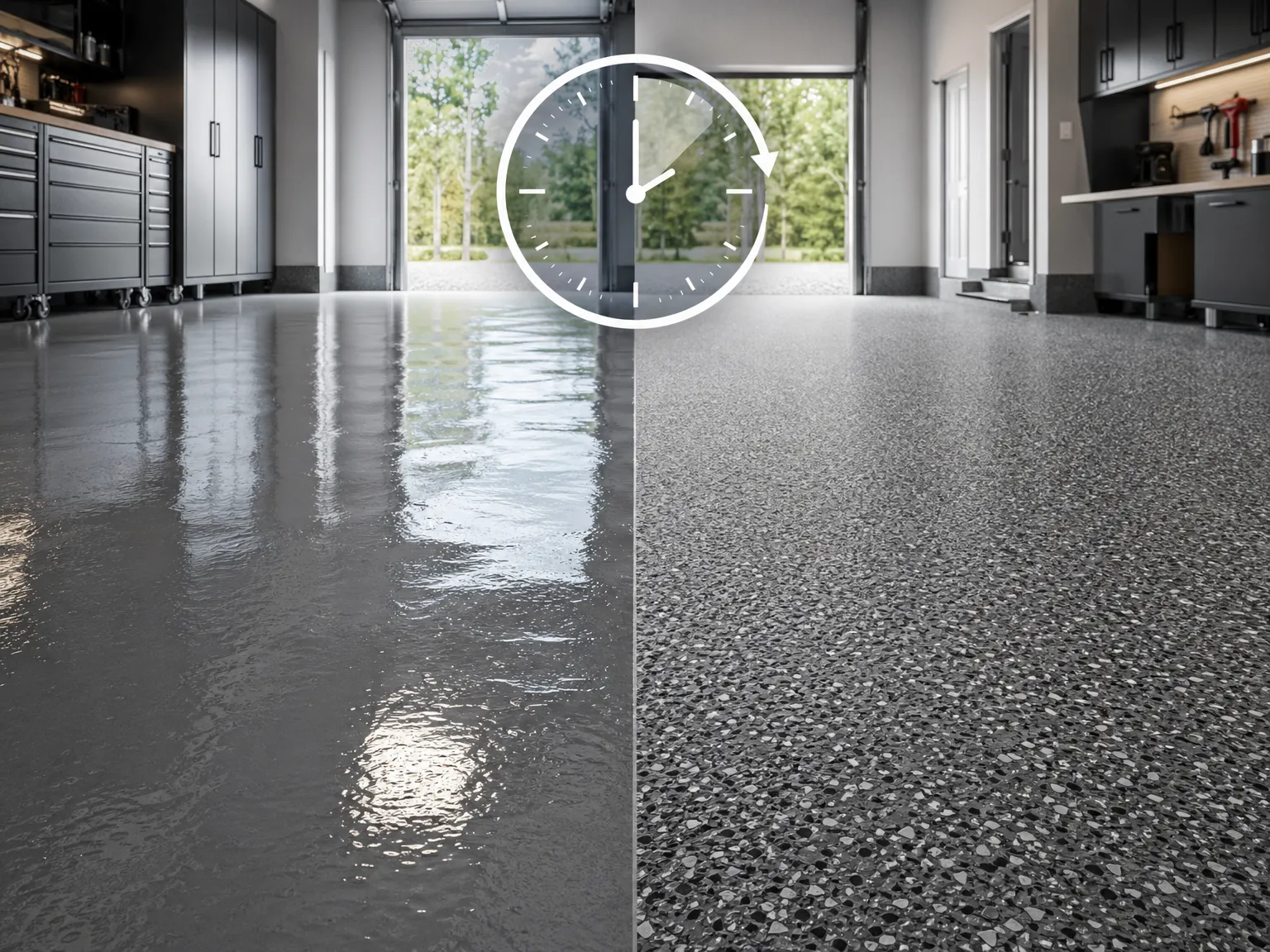
Fast curing is crucial for both residential and commercial concrete surfaces as it minimizes downtime. For businesses, this means they can resume operations quickly, reducing lost revenue. Homeowners benefit from a faster return to normalcy in their living spaces. Additionally, the quick curing process enhances the overall durability and performance of the coating, making it a practical choice for various applications.
Indeed, the rapid return-to-service offered by polyaspartic coatings makes them a popular choice for residential applications, as highlighted by industry insights. If you’re still weighing your options, our blog on what homeowners don’t know about polyurea and polyaspartic coatings is a must-read before you decide.
Common Drawbacks and Limitations of Polyaspartic Coatings
While polyaspartic coatings offer numerous advantages, they also come with common drawbacks and limitations. The higher initial costs and the need for professional installation can deter some consumers. Additionally, customization options may lead to increased expenses, making it essential to weigh these factors against the benefits when considering polyaspartic coatings.
Cost Considerations for Polyaspartic Concrete Coatings
When evaluating the cost of polyaspartic concrete coatings, it’s important to consider both initial costs and long-term value. While the upfront investment may be higher than other options, the durability and minimal maintenance requirements can lead to significant savings over time. Factors affecting overall costs include the size of the area to be coated, customization options, and labor expenses.
Application Challenges and Maintenance Requirements for Polyaspartic Coatings
Application challenges for polyaspartic coatings primarily revolve around the need for professional installation and proper surface preparation. Ensuring that the substrate is clean and free of defects is crucial for achieving optimal results. Maintenance requirements are minimal, with regular cleaning being sufficient to keep the surface in good condition.
Comparison of Polyaspartic Coating with Epoxy and Polyurethane Alternatives
Polyaspartic coatings differ from epoxy and polyurethane alternatives in several key ways. While all three options provide protective benefits, polyaspartic coatings cure faster and offer superior UV resistance. Additionally, they tend to be more flexible, reducing the risk of cracking over time. Understanding these differences can help you choose the best coating for your specific needs. If you are comparing options for your garage, our article on choosing between epoxy and polyurea for your garage floor offers additional guidance.
Durability and Lifespan Differences Among Polyaspartic, Epoxy, and Polyurethane Coatings
When comparing the durability and lifespan of polyaspartic coatings to epoxy and polyurethane, polyaspartic coatings often outperform the others. They typically last longer and resist wear and tear more effectively, making them a preferred choice for high-traffic areas. This enhanced durability is a significant factor to consider when selecting a flooring solution. Learn more about how long polyaspartic floors last in our dedicated guide.
Application Times and Cost Variations Between Polyaspartic and Other Coatings
Application times for polyaspartic coatings are generally shorter than those for epoxy and polyurethane. The fast curing properties of polyaspartic coatings allow for quicker installation, which can be a crucial factor for businesses needing to minimize downtime. Cost comparisons reveal that while polyaspartic coatings may have higher initial costs, their longevity and reduced maintenance can offer better long-term value.
What to Expect from the Polyaspartic Coating Application Process
The application process for polyaspartic coatings involves several steps, including surface preparation, mixing the coating, and applying it evenly across the substrate. It’s essential to follow manufacturer guidelines and consult with professionals to ensure the best results. Expect a thorough assessment of the area to be coated, as well as recommendations for achieving optimal adhesion and durability.
Polyaspartic Coating Cure Time and Surface Usability
Polyaspartic coatings typically cure within 24 hours, allowing surfaces to be used relatively quickly after application. Factors affecting curing times include temperature and humidity levels, which can influence the overall performance of the coating. Understanding these variables can help you plan your project timeline effectively.
Comparison Table of Polyaspartic, Epoxy, and Polyurethane Coatings
| Feature | Polyaspartic | Epoxy | Polyurethane |
|---|---|---|---|
| Curing Time | Within 24 hours | 24-72 hours | 24-48 hours |
| UV Resistance | Excellent, resists yellowing | Poor, prone to yellowing | Good |
| Durability | 10-20 years | 5-10 years | 7-15 years |
| Flexibility | High, reduces cracking | Low, more brittle | Moderate |
| Cost (per sq. ft.) | $5 - $12 + labor | $3 - $7 + labor | $4 - $9 + labor |
| Maintenance | Minimal, regular cleaning | Moderate, may require recoating | Moderate |
Benefits of Choosing Local Polyaspartic Coating Experts in NW Pennsylvania and Greater Pittsburgh
Choosing local experts, such as Specialty Concrete Coatings LLC, for your polyaspartic coating needs offers several advantages. Local professionals possess knowledge of regional conditions and can provide tailored solutions that meet your specific requirements. Additionally, working with local experts fosters trust and reliability, ensuring that your project is completed to the highest standards. Ready to get started? Request a free quote today and let our team help you find the right coating solution for your project.
Frequently Asked Questions
What surfaces can polyaspartic coatings be applied to?
Polyaspartic coatings are highly versatile and can be applied to a variety of surfaces, including concrete, wood, and metal. This adaptability makes them suitable for numerous applications, from residential garages to industrial facilities. The ability to bond effectively with different substrates ensures that you can achieve a durable and aesthetically pleasing finish, regardless of the material you are working with.
How do polyaspartic coatings compare to epoxy and polyurethane in terms of flexibility?
Polyaspartic coatings are known for their high flexibility, which significantly reduces the risk of cracking over time. In contrast, epoxy coatings tend to be more brittle, while polyurethane offers moderate flexibility. This enhanced flexibility of polyaspartic coatings makes them particularly suitable for environments that experience temperature fluctuations or heavy foot traffic, ensuring long-lasting performance and durability.
What maintenance is required for polyaspartic coatings?
Polyaspartic coatings require minimal maintenance once applied. Regular cleaning with mild soap and water is typically sufficient to keep the surface looking new. Their durability allows them to withstand heavy foot traffic and other wear without significant degradation. This low-maintenance requirement is a significant advantage for both homeowners and business operators, making them an attractive flooring solution.
Can polyaspartic coatings be customized, and how does this affect cost?
Yes, polyaspartic coatings can be customized with decorative flakes, color matching, and various textures to enhance their aesthetic appeal. However, these customization options can increase the overall costs of the project. It’s essential to factor in these potential additional expenses when planning your flooring project, as they may not fit every budget while still providing a unique and personalized finish.
What environmental considerations should be taken into account during the application of polyaspartic coatings?
While polyaspartic coatings are low in VOC emissions, which makes them safer for indoor use, there are still environmental considerations during application. Proper disposal methods for leftover materials and ensuring adequate ventilation during the application process are crucial to minimize any potential negative impacts. Being mindful of these factors can help maintain a safe and eco-friendly working environment.
How does the curing time of polyaspartic coatings impact project timelines?
The fast curing time of polyaspartic coatings, typically within 24 hours, significantly impacts project timelines by minimizing downtime. This rapid curing allows businesses to resume operations quickly and homeowners to return to normalcy in their living spaces. Understanding the curing process and its variables, such as temperature and humidity, can help you effectively plan your project and ensure timely completion.