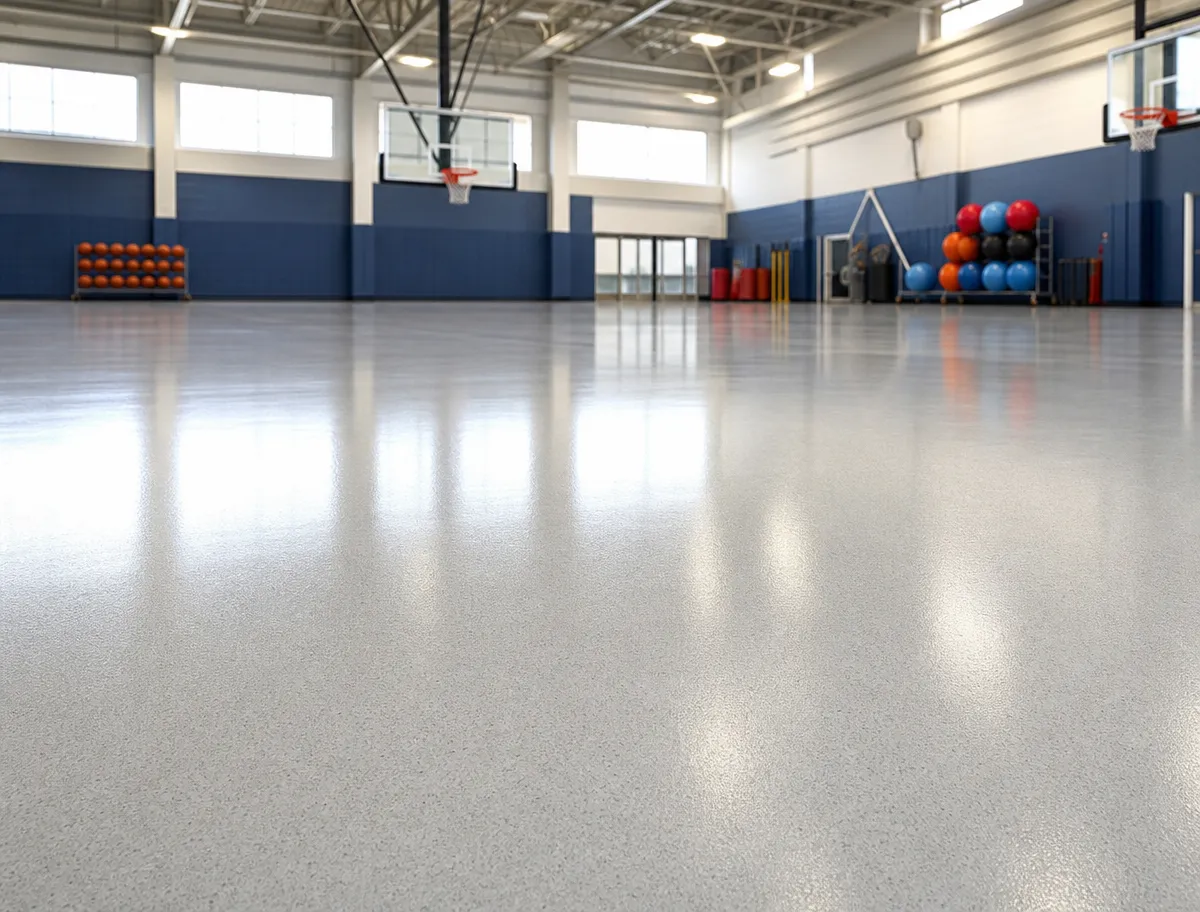
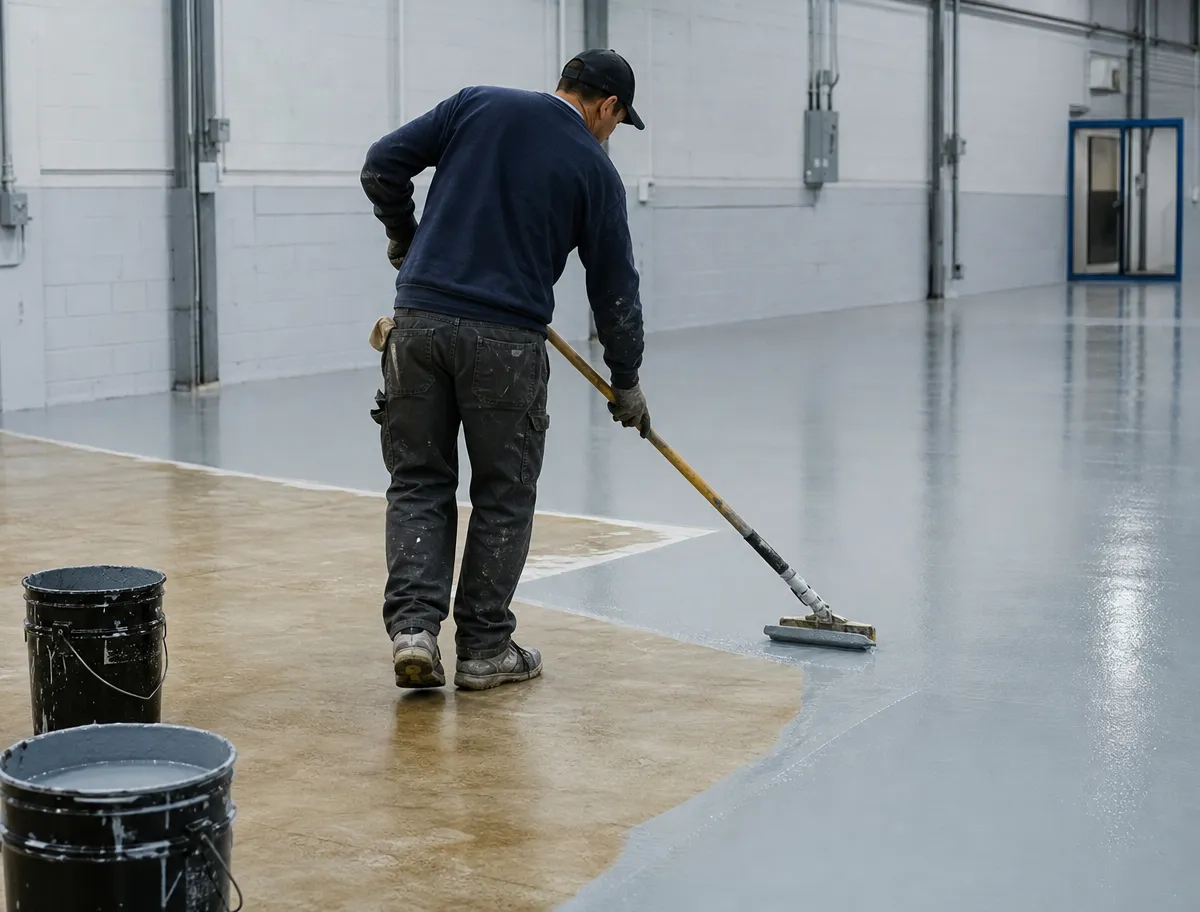
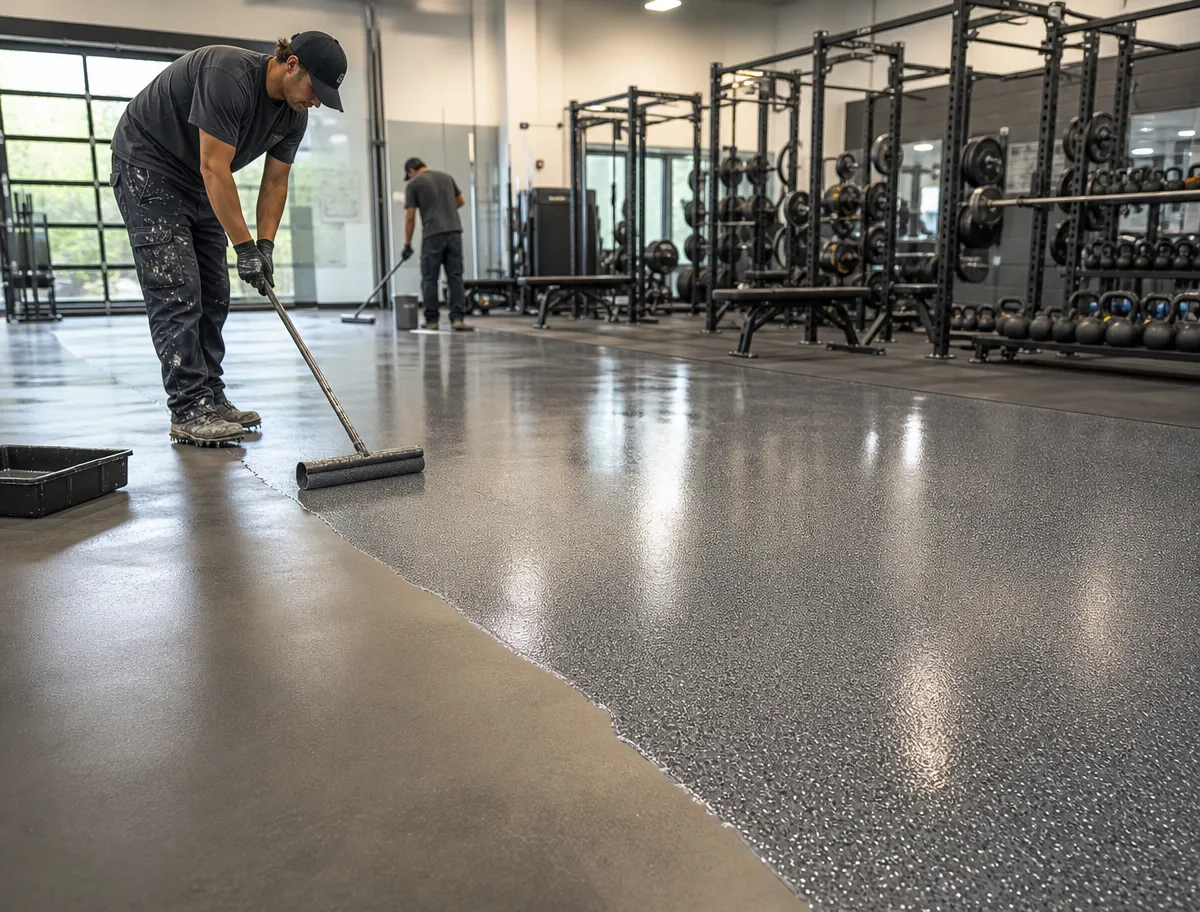
When considering concrete coatings, homeowners and commercial property owners often face a critical decision: whether to invest in polyaspartic coatings or stick with the more traditional epoxy options. This article delves into the comparative advantages of polyaspartic coatings, focusing on their durability, application methods, maintenance needs, and overall cost-effectiveness. By understanding the nuances of these two types of coatings, readers will gain insights into which option may provide better long-term value for their specific needs. The discussion will cover key aspects such as durability, application processes, maintenance requirements, and environmental considerations, ultimately guiding readers to make an informed choice.
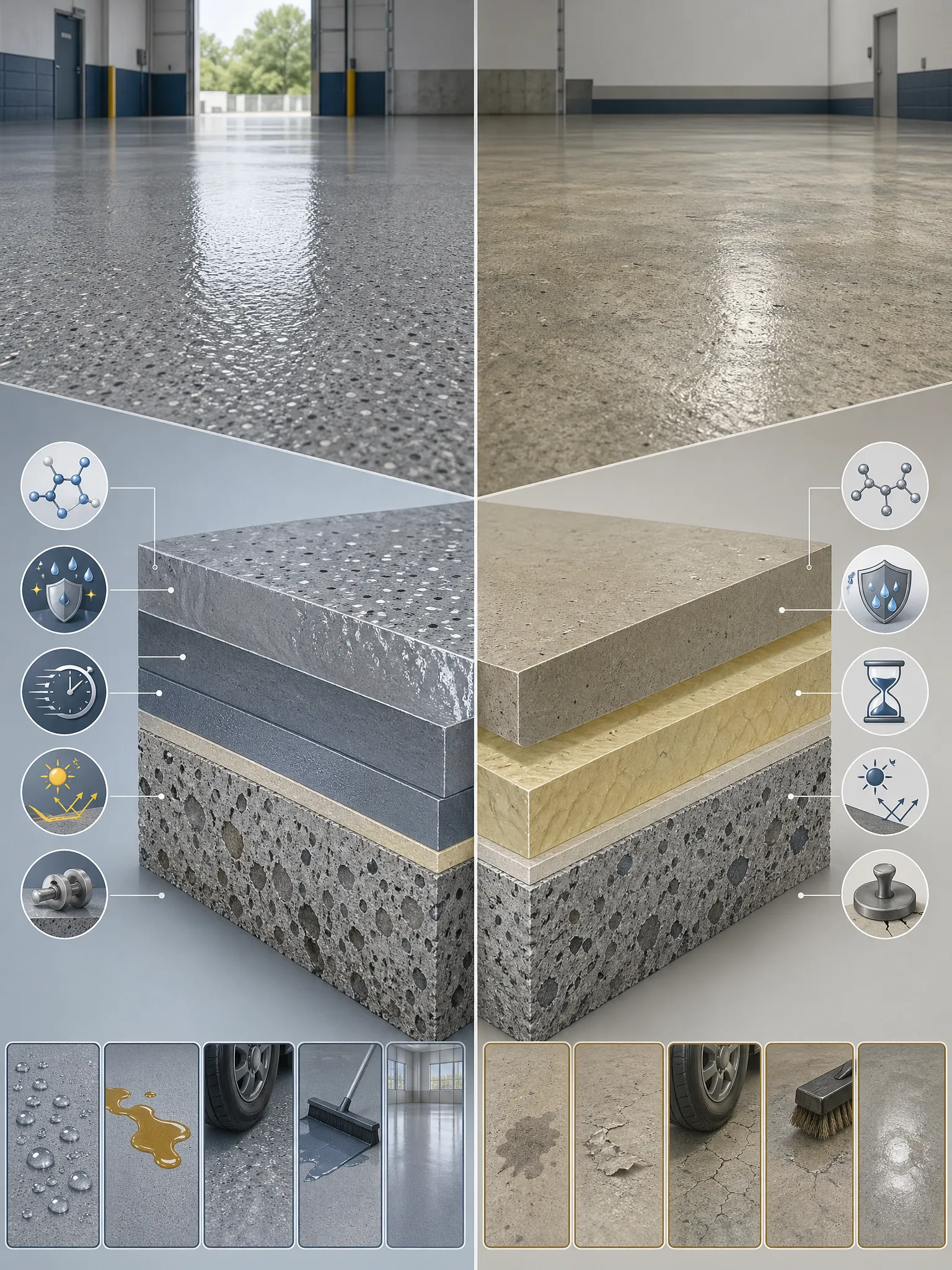
Comprehensive Analysis of Polyaspartic vs. Epoxy Concrete Coatings
Polyaspartic and epoxy coatings are both popular choices for protecting and enhancing concrete surfaces, but they differ significantly in several key areas. Understanding these differences can help property owners make an informed decision about which coating best suits their needs.
Durability
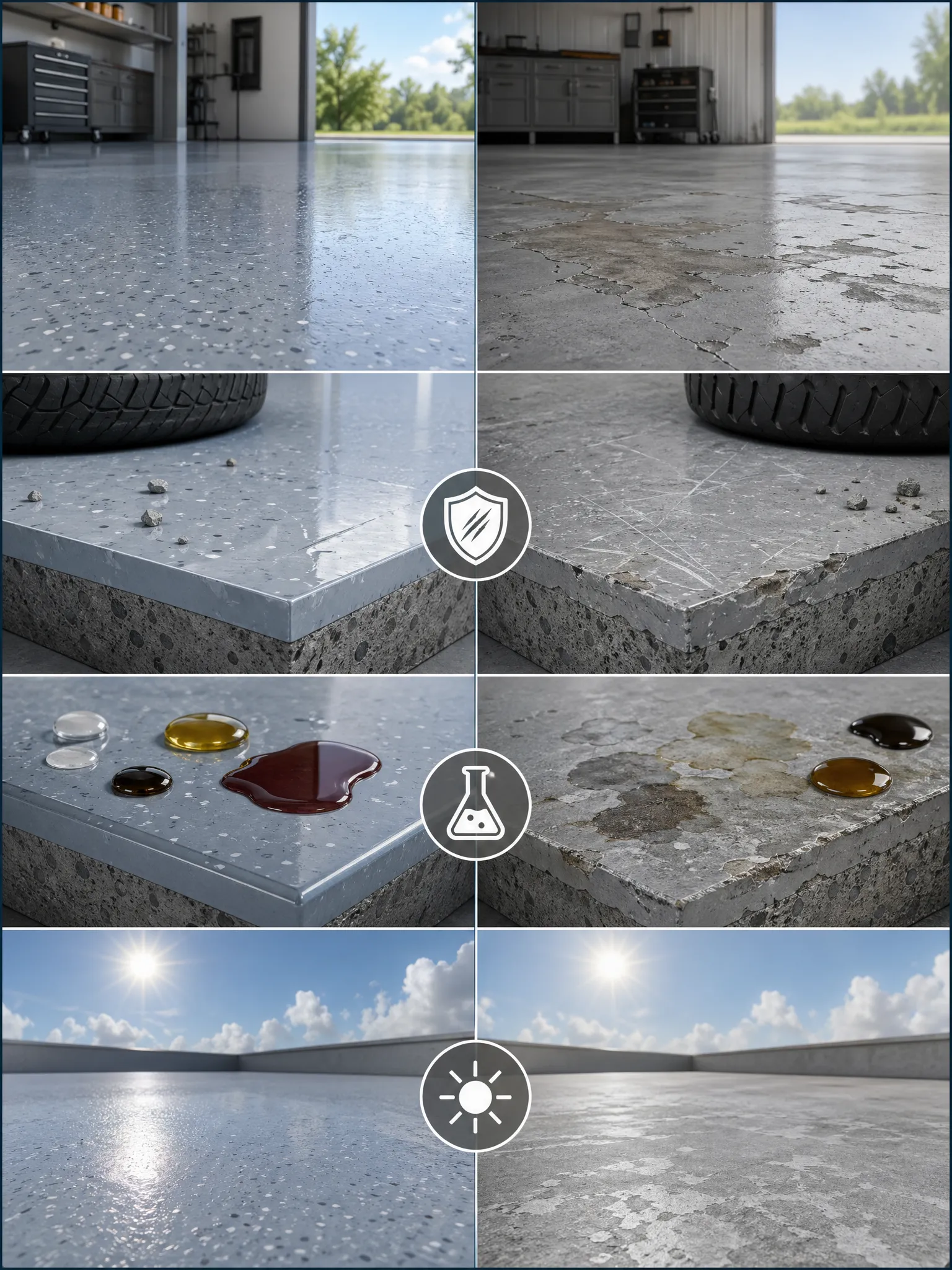
Polyaspartic coatings are known for their superior durability compared to epoxy coatings. They can withstand extreme temperatures and resist wear and tear more effectively, as measured by standardized abrasion resistance testing. For instance, polyaspartic coatings typically have a lifespan of 10-20 years, while epoxy coatings may last around 5-10 years under similar conditions. This enhanced durability is particularly beneficial in high-traffic areas or environments exposed to harsh weather conditions.
Application Methods
The application methods for polyaspartic and epoxy coatings also vary significantly. Polyaspartic coatings can be applied in a single day, with curing times as short as 24 hours, allowing for quicker project completion. In contrast, epoxy coatings often require longer curing times, which can extend project downtime. This difference in application speed can be a crucial factor for businesses or homeowners looking to minimize disruption.
Maintenance
Maintenance requirements differ between the two types of coatings. Polyaspartic coatings generally require less frequent maintenance due to their enhanced durability and resistance to staining. In contrast, epoxy coatings may need more regular upkeep to maintain their appearance and performance. This difference can lead to lower long-term maintenance costs for polyaspartic coatings, making them a more economical choice over time.
Cost and Long-Term Value
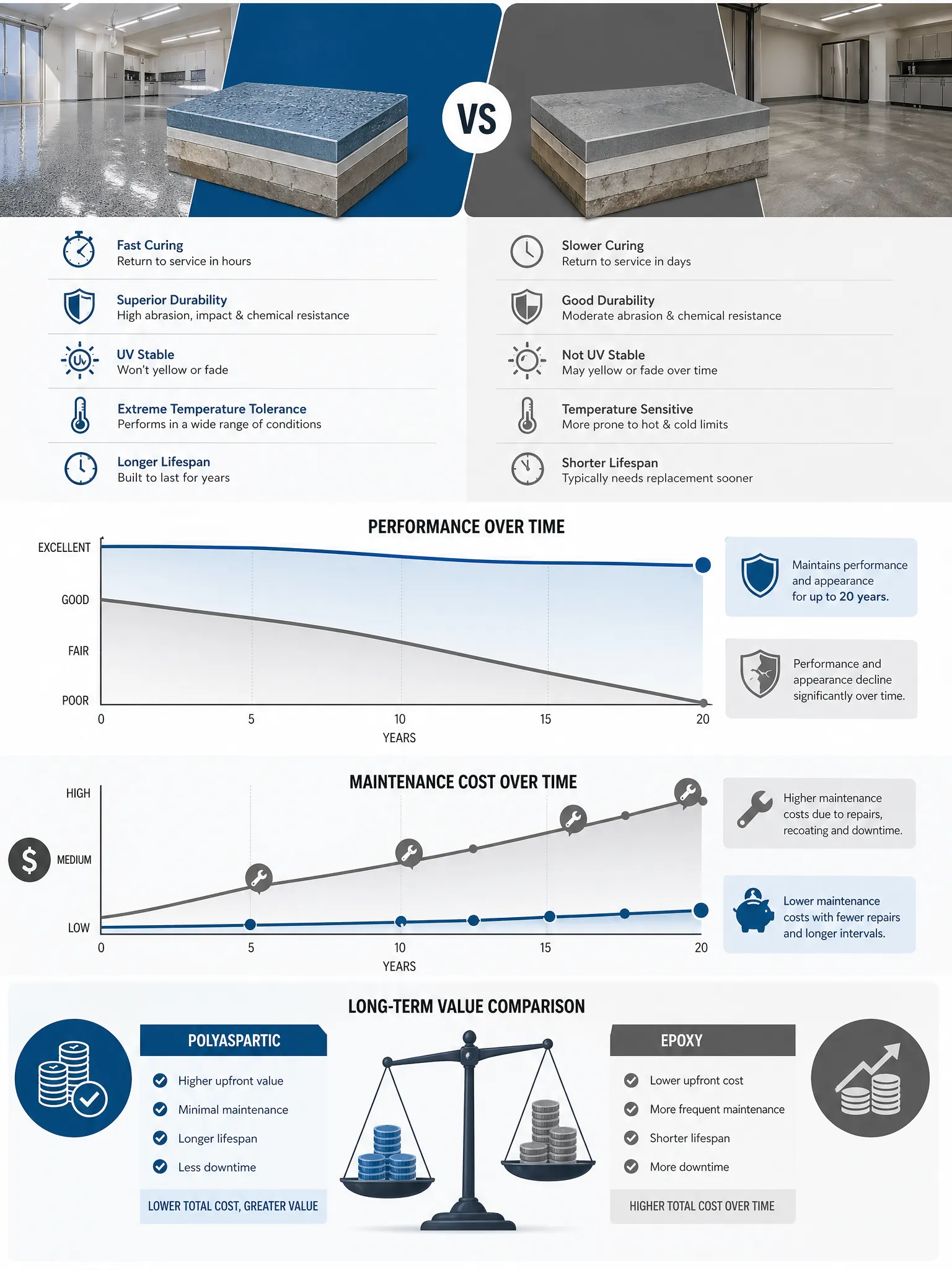
When evaluating the cost of polyaspartic versus epoxy coatings, it’s essential to consider both initial investment and long-term value. While polyaspartic coatings may have a higher upfront cost, their durability and lower maintenance needs can result in significant savings over time. A detailed cost analysis reveals that the long-term value of polyaspartic coatings often justifies the initial expense, especially for high-traffic or industrial applications.
| Coating Type | Initial Cost | Lifespan | Maintenance Frequency | Long-Term Value |
|---|---|---|---|---|
| Polyaspartic | Higher | 10-20 years | Low | High |
| Epoxy | Lower | 5-10 years | Moderate | Moderate |
This table illustrates the financial implications of choosing between polyaspartic and epoxy coatings, highlighting the potential for greater long-term savings with polyaspartic options.
Environmental Considerations
Environmental impact is another critical factor to consider. Polyaspartic coatings typically have lower VOC emissions compared to epoxy coatings, making them a more environmentally friendly option. This aspect is particularly important for homeowners and businesses concerned about indoor air quality and sustainability.
What Are the Key Differences Between Polyaspartic and Epoxy Concrete Coatings?
The primary differences between polyaspartic and epoxy coatings lie in their composition, performance characteristics, and cost considerations. Polyaspartic coatings are often made from polyurea, which provides enhanced flexibility and durability. In contrast, epoxy coatings are based on epoxy resins, which can be more rigid and less resistant to certain environmental factors. Understanding these differences can help property owners choose the right coating for their specific needs.
How Do Polyaspartic and Epoxy Coatings Compare in Durability and Lifespan?
In terms of durability and lifespan, polyaspartic coatings generally outperform epoxy coatings. The advanced chemical composition of polyaspartic coatings allows them to resist chipping, cracking, and fading more effectively than their epoxy counterparts. This resilience makes polyaspartic coatings a preferred choice for areas subjected to heavy foot traffic or harsh environmental conditions.
What Are the Chemical and Physical Properties That Affect Performance?
The performance of polyaspartic and epoxy coatings is influenced by their chemical and physical properties. Polyaspartic coatings cure quickly and can be applied in a wider range of temperatures, while epoxy coatings require specific conditions for optimal curing. Additionally, the chemical structure of polyaspartic coatings provides better resistance to UV light and moisture, enhancing their overall performance.
How Does the Cost of Polyaspartic Coatings Compare to Epoxy?
When comparing costs, polyaspartic coatings typically have a higher initial price point than epoxy coatings. However, the long-term savings associated with reduced maintenance and longer lifespan often make polyaspartic coatings a more cost-effective choice in the long run. Homeowners and businesses should weigh the initial investment against potential future savings when making their decision.
What Is the Detailed Cost Breakdown of Polyaspartic Versus Epoxy Coatings?
A detailed cost breakdown reveals that while polyaspartic coatings may cost between $3 to $8 per square foot, epoxy coatings generally range from $2 to $5 per square foot. However, considering the longevity and lower maintenance needs of polyaspartic coatings, the overall cost of ownership may be lower over time.
How Does the Return on Investment Justify the Higher Upfront Cost?
The return on investment (ROI) for polyaspartic coatings can be substantial, particularly in commercial settings where durability and low maintenance are critical. By investing in polyaspartic coatings, property owners can expect to see a reduction in repair and maintenance costs, ultimately justifying the higher upfront expense.
What Are the Installation and Maintenance Differences Between Polyaspartic and Epoxy?
Installation and maintenance differences between polyaspartic and epoxy coatings are significant. Polyaspartic coatings can be installed more quickly, often in a single day, while epoxy coatings may require multiple days for proper curing. Additionally, the maintenance requirements for polyaspartic coatings are generally lower, leading to less frequent upkeep and associated costs.
How Do Curing Times Affect Project Downtime and Convenience?
Curing times play a crucial role in project timelines and convenience. Polyaspartic coatings cure rapidly, allowing for quicker project completion and reduced downtime. This is particularly advantageous for businesses that need to minimize disruption during installation. In contrast, epoxy coatings require longer curing times, which can extend project timelines and inconvenience property owners.
What Are the Maintenance Requirements and Long-Term Benefits?
The maintenance requirements for polyaspartic coatings are typically lower than those for epoxy coatings. Polyaspartic coatings are more resistant to stains and damage, leading to less frequent maintenance needs. This long-term benefit can result in significant cost savings for property owners over time.
How Have NW Pennsylvania and Greater Pittsburgh Clients Benefited From Polyaspartic Coatings?
Local case studies and customer testimonials indicate that clients in NW Pennsylvania and Greater Pittsburgh have experienced significant benefits from polyaspartic coatings. Many report enhanced durability and aesthetic appeal, making these coatings a popular choice for both residential and commercial applications.
Conclusion
Investing in polyaspartic coatings offers significant advantages over traditional epoxy options, including superior durability, faster application, and lower long-term maintenance costs. These benefits not only enhance the lifespan of your concrete surfaces but also contribute to a more sustainable choice with reduced environmental impact. By choosing polyaspartic coatings, property owners can enjoy peace of mind knowing they are making a wise investment for the future. Discover our range of polyaspartic solutions today to elevate your concrete protection.
Ready to Upgrade Your Concrete Surfaces?
Experience the unmatched durability and fast application of Specialty Concrete Coatings. Whether for residential or commercial projects, our expert team is here to provide tailored solutions that stand the test of time. Get a free quote today and see how much you can save with polyaspartic coatings.
Frequently Asked Questions
1. What are the environmental benefits of using polyaspartic coatings?
Polyaspartic coatings are known for their lower volatile organic compound (VOC) emissions compared to epoxy coatings. This makes them a more environmentally friendly option, particularly for indoor applications where air quality is a concern. Additionally, their durability means they require less frequent reapplication, reducing waste and the environmental impact associated with manufacturing and disposing of coatings. Choosing polyaspartic coatings can contribute to a more sustainable approach to concrete surface protection.
2. Can polyaspartic coatings be applied in cold weather?
Yes, one of the advantages of polyaspartic coatings is their ability to cure in a wider range of temperatures, including colder conditions. This flexibility allows for application even in less-than-ideal weather, which is a significant benefit for contractors and property owners looking to complete projects year-round. In contrast, epoxy coatings typically require specific temperature ranges for optimal curing, making polyaspartic a more versatile choice for various climates.
3. How do polyaspartic coatings perform in high-traffic areas?
Polyaspartic coatings excel in high-traffic areas due to their superior durability and resistance to wear and tear. They are designed to withstand heavy foot traffic, vehicle movement, and other stresses that can damage less resilient coatings. Their ability to resist chipping, cracking, and fading makes them an ideal choice for commercial spaces, garages, and industrial settings where durability is paramount. This performance ensures that the surface remains attractive and functional for years.
4. Are there any specific surface preparations required for polyaspartic coatings?
Yes, proper surface preparation is crucial for the successful application of polyaspartic coatings. The concrete surface must be clean, dry, and free of any contaminants such as oil, grease, or dust. Additionally, any existing coatings should be removed or properly prepared to ensure good adhesion. Following these preparation steps helps maximize the performance and longevity of the polyaspartic coating, ensuring it adheres well and provides the desired protective qualities.
5. What is the typical lifespan of polyaspartic coatings in residential applications?
In residential applications, polyaspartic coatings typically have a lifespan of 10 to 20 years, depending on factors such as traffic levels, environmental conditions, and maintenance practices. Their enhanced durability and resistance to staining and damage contribute to this extended lifespan, making them a reliable choice for homeowners. Regular maintenance, such as cleaning and occasional inspections, can further prolong the life of the coating, ensuring it continues to perform well over time.
6. How do polyaspartic coatings compare to epoxy in terms of aesthetics?
Polyaspartic coatings offer a wide range of aesthetic options, including various colors, finishes, and textures, allowing homeowners and businesses to customize their concrete surfaces. They can achieve a glossy finish that enhances the appearance of the concrete, making it visually appealing. While epoxy coatings also provide aesthetic options, polyaspartic coatings tend to maintain their color and gloss better over time, resisting yellowing and fading due to UV exposure, which is particularly beneficial for outdoor applications.
7. What are the common applications for polyaspartic coatings?
Polyaspartic coatings are versatile and can be used in various applications, including residential garages, commercial floors, industrial facilities, and outdoor patios. Their durability and quick curing times make them suitable for high-traffic areas and environments exposed to harsh conditions. Additionally, they are often used in decorative applications, such as flake systems or metallic finishes, providing both protection and aesthetic enhancement to concrete surfaces in diverse settings.