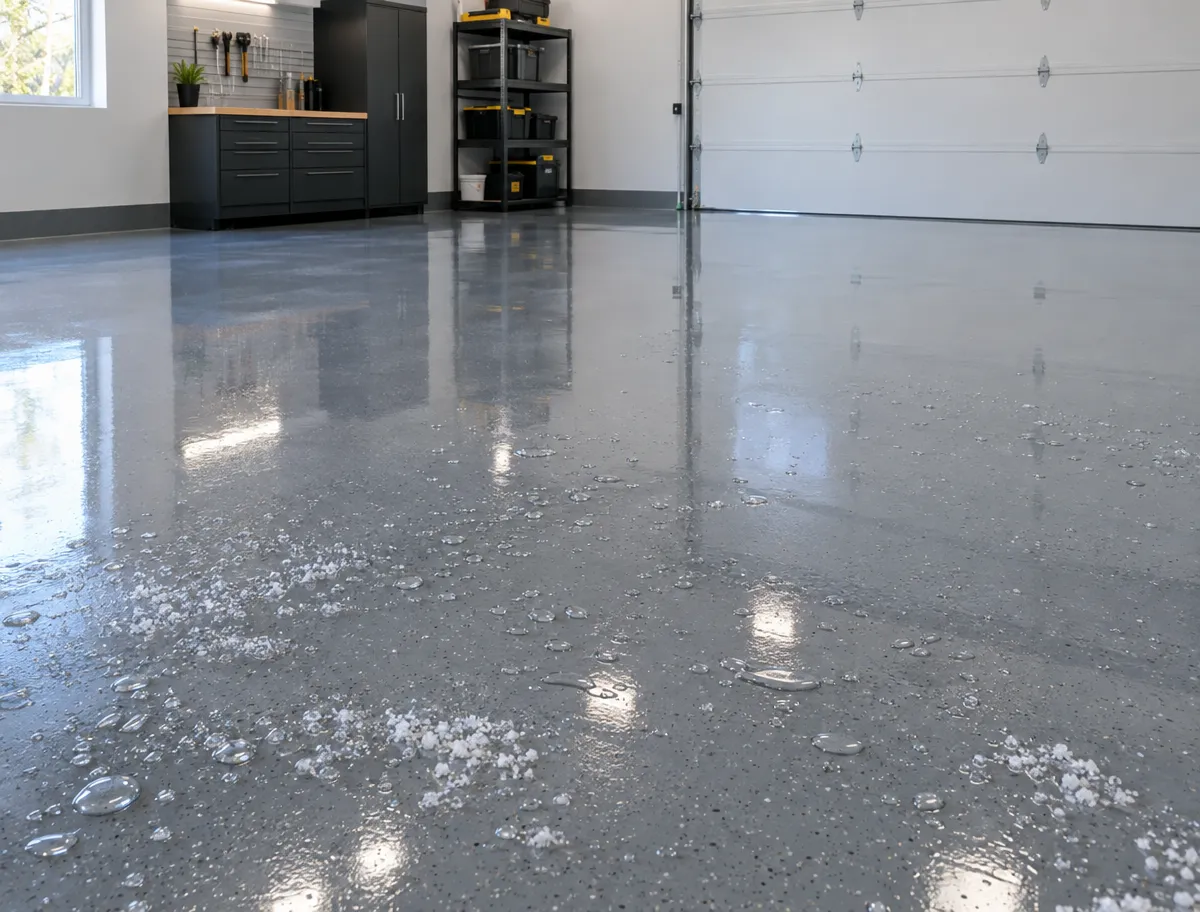
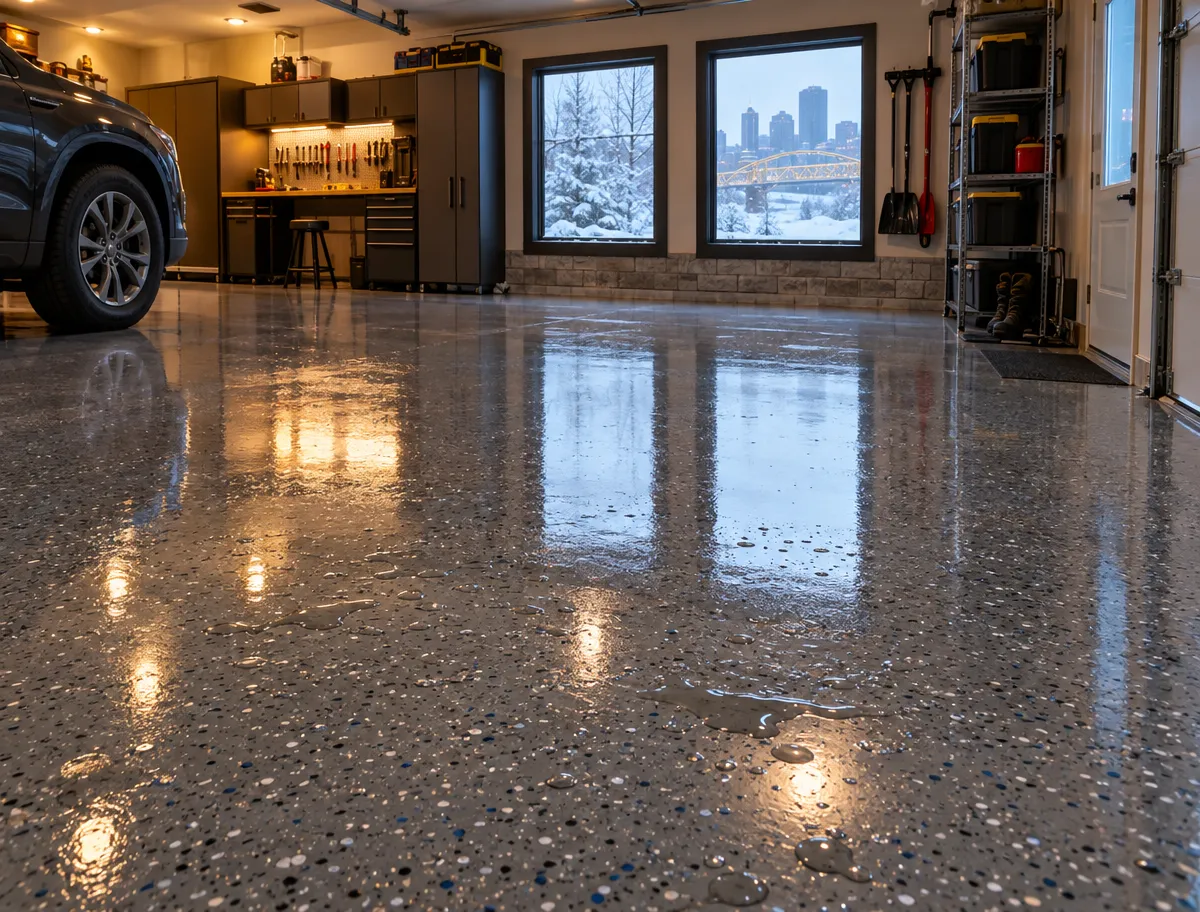
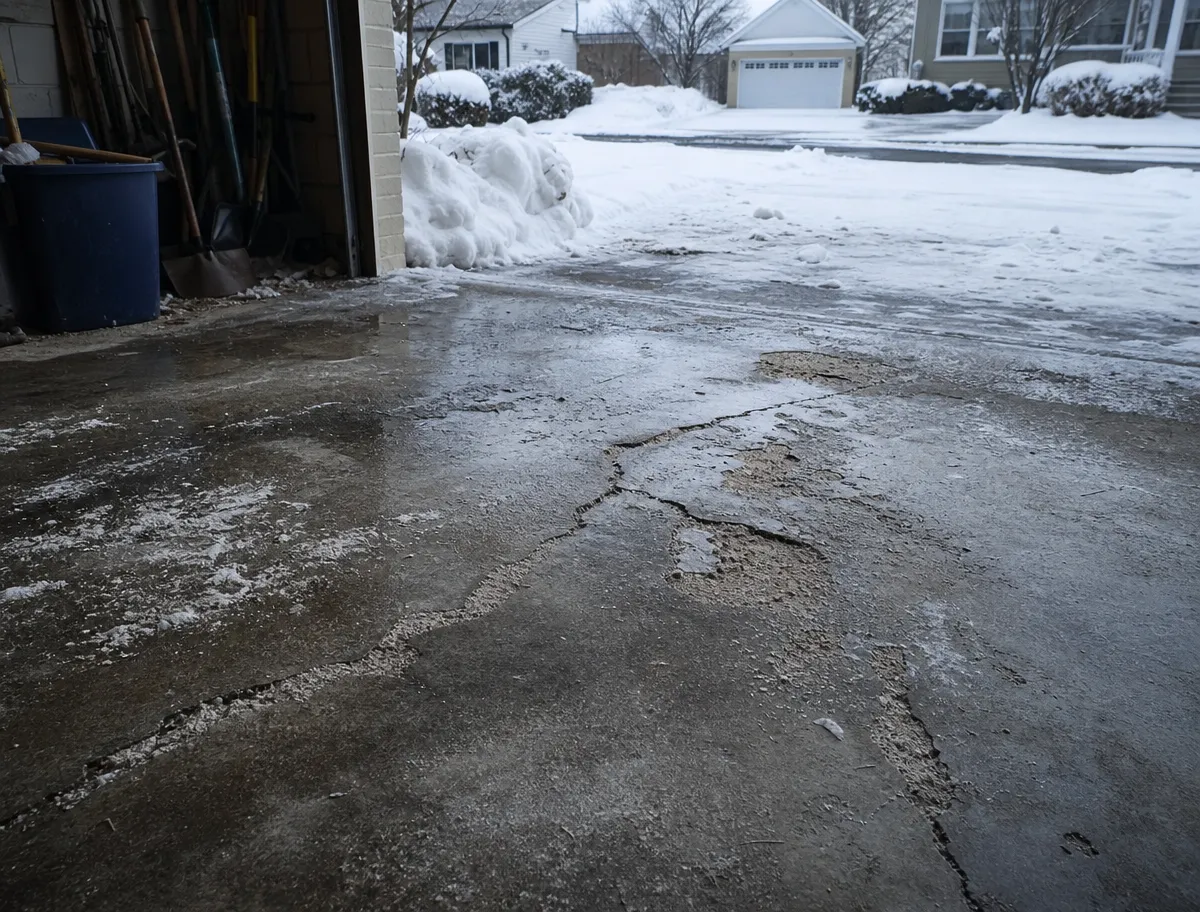
Epoxy garage floors are known for their durability and aesthetic appeal, but many homeowners face the frustrating issue of peeling. Understanding the reasons behind this problem is crucial for effective repair and maintenance.
In this article, we will explore the common causes of epoxy garage floor peeling, how to repair it effectively, and the importance of surface preparation and moisture mitigation. Additionally, we will discuss maintenance practices that can extend the life of your epoxy floor and why choosing professional services, like those offered by Specialty Concrete Coatings LLC, can make a significant difference.
Key Takeaways
- Epoxy garage floor peeling commonly results from improper surface preparation, moisture issues, and low-quality materials.
- Excess moisture in the concrete slab can cause epoxy lifting and peeling, especially in high humidity areas.
- Repairing peeling epoxy involves removing damaged coating, identifying causes, and reapplying high-quality epoxy properly.
- Moisture mitigation techniques like barriers and dehumidifiers significantly improve epoxy floor longevity and prevent peeling.
- Regular cleaning, immediate stain removal, and periodic resealing help maintain epoxy garage floors effectively.
What Are the Common Causes of Epoxy Garage Floor Peeling?
Epoxy garage floor peeling can occur due to several factors, primarily related to improper installation and environmental conditions. The most common causes include:
- Improper Surface Preparation: Before applying epoxy, the concrete surface must be thoroughly cleaned and prepped. Any contaminants, such as oil or dust, can prevent proper adhesion, leading to peeling. Research on how substrate contaminants degrade epoxy coating adhesion confirms that surface cleanliness is a primary factor in long-term coating performance.
- Moisture Issues: Excess moisture in the concrete slab can cause the epoxy to lift. This is particularly common in areas with high humidity or where water seeps through the concrete.
- Low-Quality Materials: Using inferior epoxy products can result in poor adhesion and durability. High-quality epoxy formulations are essential for long-lasting results.
Understanding these causes is the first step in preventing and addressing peeling issues effectively.
How Can You Effectively Repair Peeling Epoxy Garage Floors?
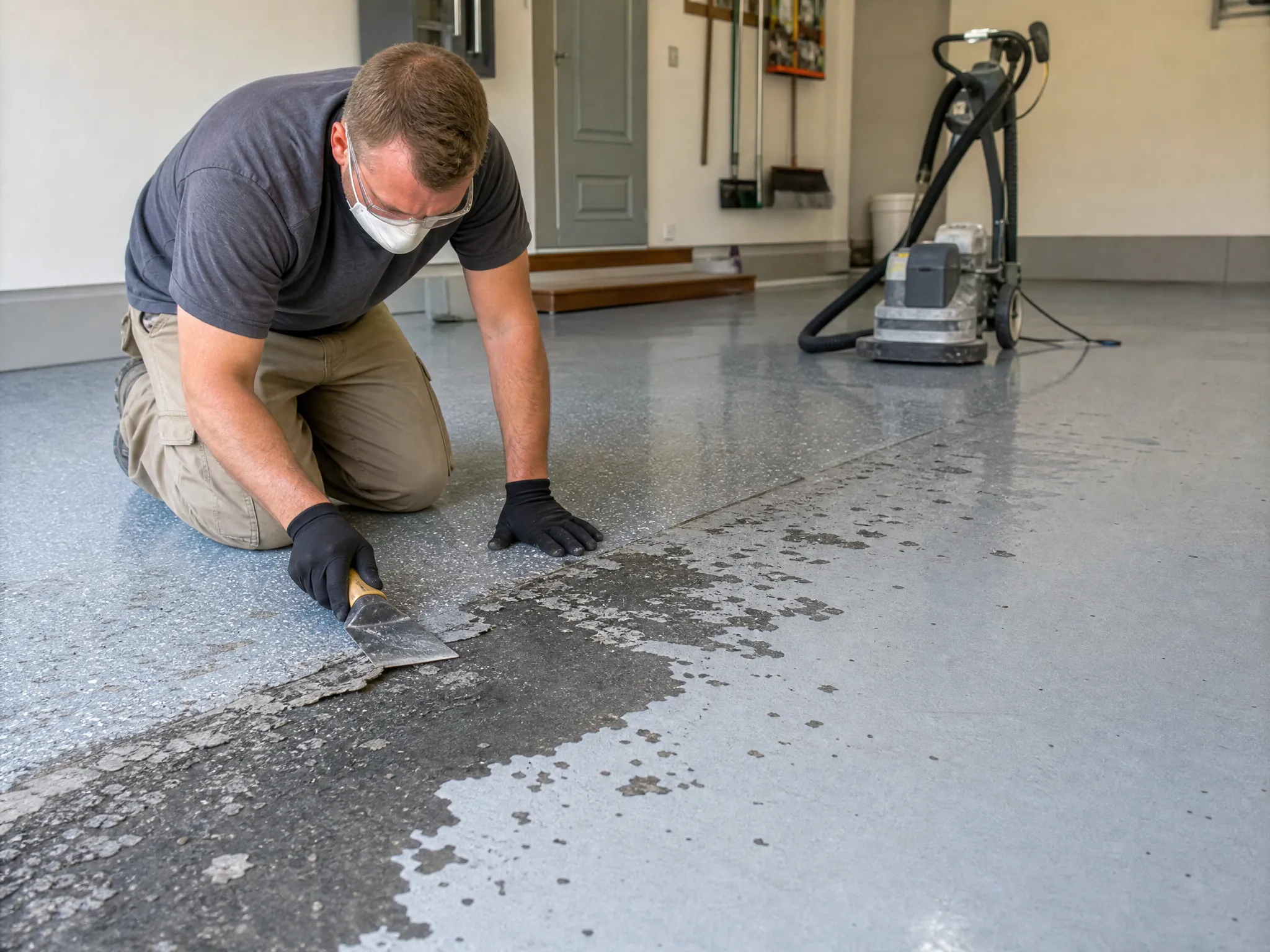
Repairing a peeling epoxy garage floor involves a systematic approach to ensure long-lasting results. Here are the steps to follow:
- Identify the Cause of Peeling: Before starting repairs, determine whether the peeling is due to moisture, poor surface preparation, or low-quality materials.
- Remove Damaged Coating: Use a floor grinder or scraper to remove the peeling epoxy. Ensure that the surface is smooth and free of debris.
- Reapply New Coating: After preparing the surface, apply a high-quality epoxy coating. Ensure that the conditions are right, with low humidity and a clean surface for optimal adhesion.
For those looking for professional assistance, Specialty Concrete Coatings LLC specializes in durable epoxy solutions tailored to your needs.
Why Is Surface Preparation Critical for Epoxy Coating Durability?
Surface preparation is a vital step in ensuring the durability of epoxy coatings. Proper preparation involves cleaning, etching, and repairing the concrete surface to create a strong bond between the epoxy and the concrete. This process ensures that the epoxy adheres effectively, preventing future peeling and enhancing the overall lifespan of the floor. Without adequate preparation, even the best epoxy products can fail, leading to costly repairs and maintenance. Military guidance on thin film and epoxy mortar flooring systems underscores why proper application protocols are critical for lasting results. If you’re considering an upgrade, learn more about our garage epoxy floor coating services.
How Does Moisture Mitigation Improve Epoxy Floor Longevity?
Moisture control is essential for the longevity of epoxy floors. High moisture levels can lead to bubbling and peeling, as the epoxy cannot adhere properly to the concrete. Implementing moisture mitigation strategies, such as using moisture barriers or dehumidifiers, can significantly enhance the durability of your epoxy floor. By addressing moisture issues, homeowners can prevent peeling and extend the life of their flooring investment. If you’re also weighing your coating options, our guide on choosing between epoxy and polyurea for your garage floor can help you make the right choice for your climate and usage.
Maintenance Practices for Epoxy Garage Floors
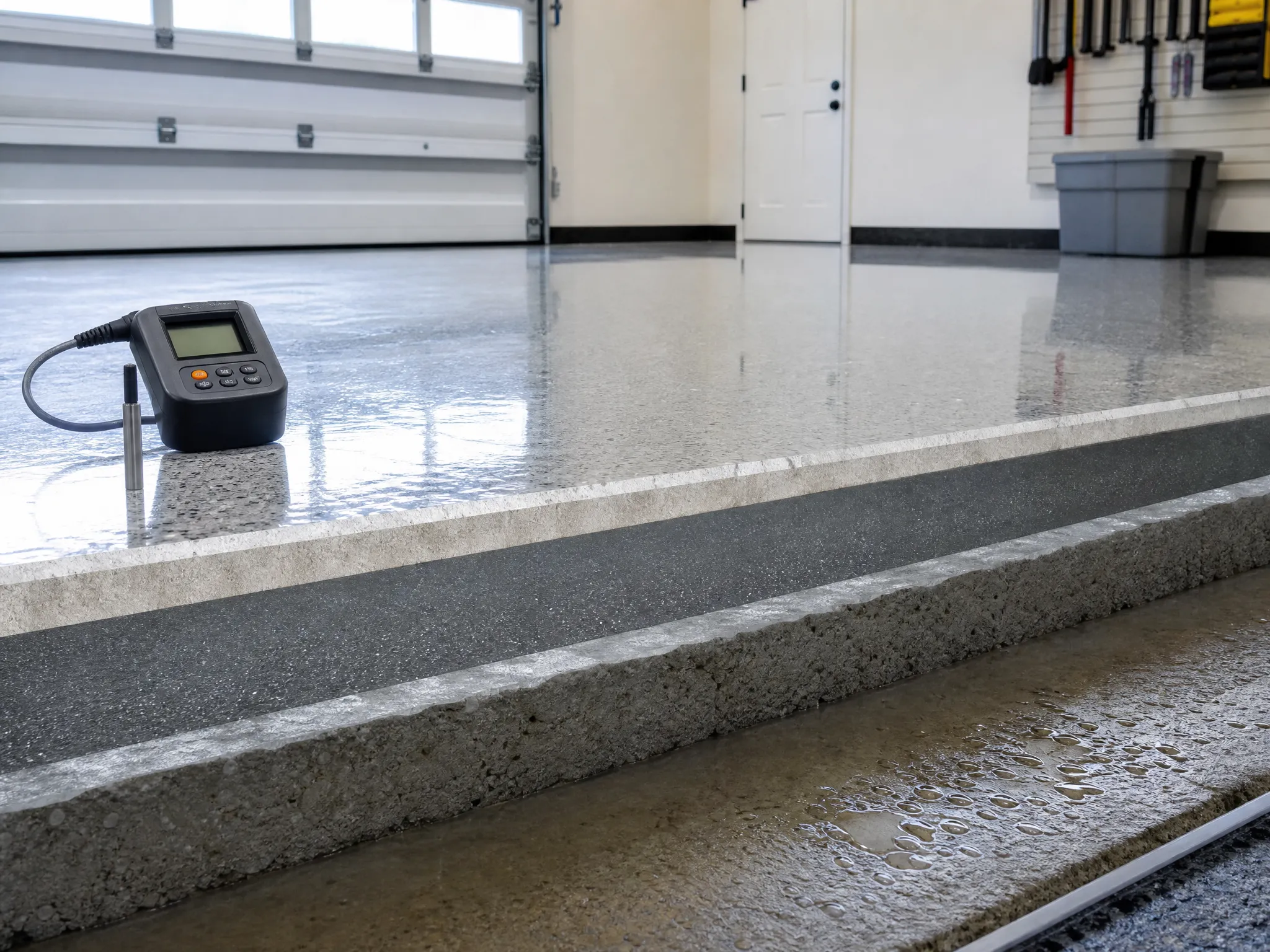
Maintaining your epoxy garage floor is crucial for its longevity. Here are some effective practices to consider:
- Regular Cleaning: Keep the surface clean by sweeping and mopping regularly to remove dirt and debris.
- Immediate Stain Removal: Address spills and stains promptly to prevent them from penetrating the epoxy surface.
- Periodic Resealing: Depending on usage, reseal the epoxy floor every few years to maintain its protective layer and enhance its appearance.
Implementing these maintenance practices can help ensure that your epoxy garage floor remains in excellent condition for years to come.
Why Choose Professional Epoxy Garage Floor Services in NW Pennsylvania and Greater Pittsburgh
Choosing professional services for your epoxy garage floor installation and maintenance offers several advantages. Professionals, like Specialty Concrete Coatings LLC, bring expertise and quality to the table, ensuring that the job is done right the first time. Their knowledge of proper surface preparation, moisture mitigation, and high-quality materials can save you time and money in the long run. Additionally, many professional services offer warranties on concrete coating work, providing peace of mind that your investment is protected.
By understanding the reasons behind epoxy garage floor peeling and how to address them, homeowners can take proactive steps to maintain their floors effectively. Whether through DIY repairs or professional services, ensuring the longevity of your epoxy garage floor is achievable with the right knowledge and practices.
Contact Specialty Concrete Coatings for Quality Garage Floor Coatings
Understanding the causes and solutions for epoxy garage floor peeling empowers homeowners to maintain their investment effectively. By implementing proper surface preparation, moisture control, and regular maintenance, you can significantly extend the life of your epoxy flooring. For those seeking expert assistance, consider reaching out to Specialty Concrete Coatings LLC serving Pittsburgh and surrounding areas for tailored solutions. Get a free quote today to ensure your garage floor remains durable and visually appealing for years to come.
Frequently Asked Questions
What types of epoxy are best for garage floors?
When selecting epoxy for garage floors, look for high-quality formulations specifically designed for heavy-duty use. Polyaspartic and 100% solid epoxy are excellent choices due to their durability and resistance to chemicals and abrasions. These types provide a strong bond and are less prone to peeling compared to lower-grade options. Additionally, consider the manufacturer’s reputation and any warranties offered, as these can indicate the quality and reliability of the product.
How can I prevent moisture issues in my garage?
To prevent moisture issues in your garage, start by ensuring proper ventilation. Installing vents or using a dehumidifier can help control humidity levels. Additionally, consider applying a moisture barrier during the installation of your epoxy floor to prevent water seepage from the concrete slab. Regularly inspect for cracks or leaks in the garage structure and address them promptly to minimize moisture exposure, which can lead to peeling and other damage. For deeper moisture concerns, our complete guide to basement waterproofing covers additional strategies for managing water infiltration.
Is it possible to apply epoxy over an existing epoxy floor?
Yes, you can apply a new layer of epoxy over an existing epoxy floor, but proper preparation is crucial. First, ensure the existing surface is clean, free of contaminants, and in good condition. Lightly sand the surface to promote adhesion and remove any peeling areas. After cleaning and preparing the surface, you can apply a new coat of high-quality epoxy. This method can refresh the appearance and extend the life of your garage floor.
How often should I reseal my epoxy garage floor?
The frequency of resealing your epoxy garage floor depends on usage and environmental factors. Generally, it is recommended to reseal every 2 to 5 years. If your garage experiences heavy traffic, frequent spills, or exposure to harsh chemicals, you may need to reseal more often. Regular inspections can help determine when resealing is necessary, ensuring that the protective layer remains intact and the floor stays in optimal condition.
What are the signs that my epoxy floor needs repair?
Signs that your epoxy floor may need repair include visible peeling, bubbling, or discoloration. You may also notice cracks or chips in the surface, which can indicate underlying moisture issues or poor adhesion. If you see stains that are difficult to clean or if the floor feels uneven, these are also indicators that repairs are necessary. Addressing these issues promptly can prevent further damage and extend the life of your epoxy floor.
Can I DIY my epoxy garage floor installation?
While DIY installation of an epoxy garage floor is possible, it requires careful attention to detail and proper preparation. Success depends on your experience with similar projects and your ability to follow instructions closely. Ensure you have the right tools and materials, and take the time to prepare the concrete surface adequately. If you’re unsure about any step, consider consulting a professional to avoid costly mistakes and ensure a durable finish.