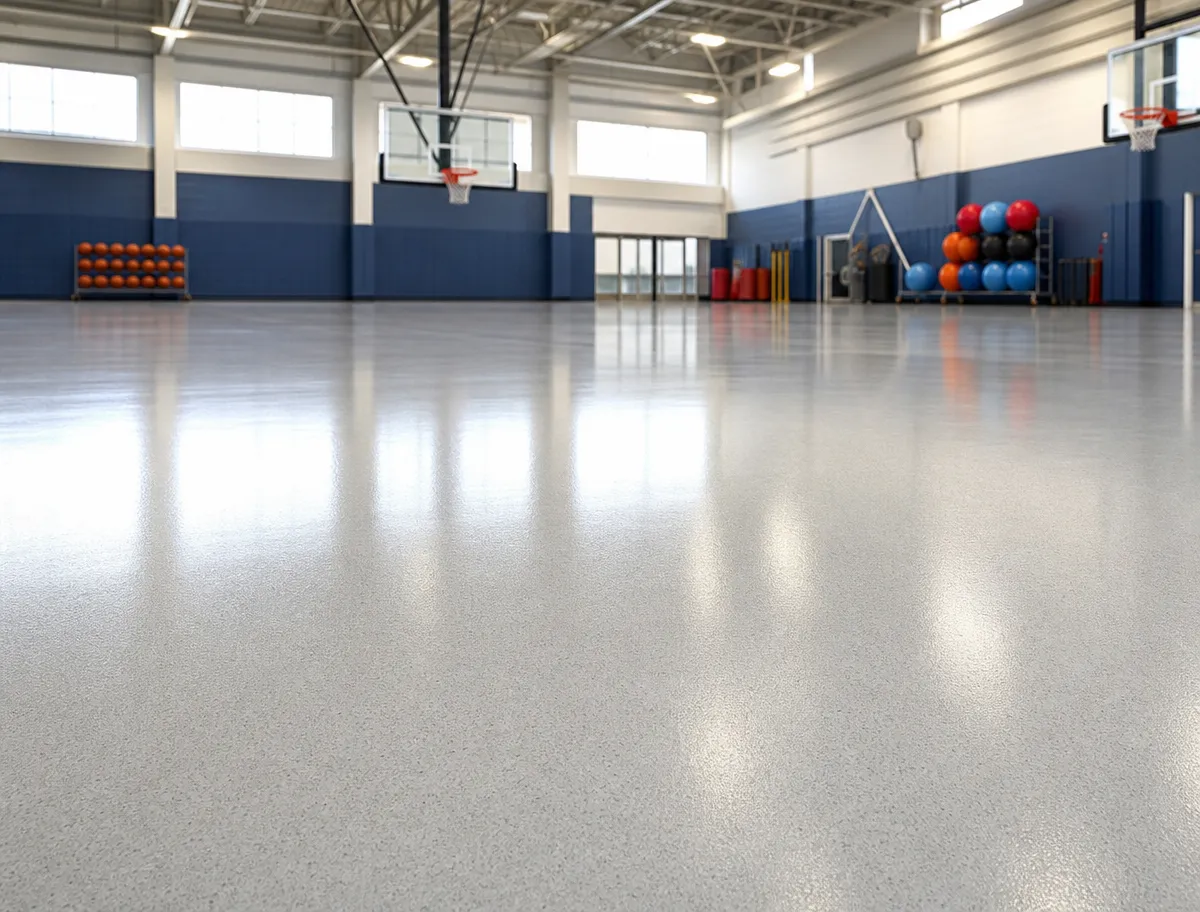
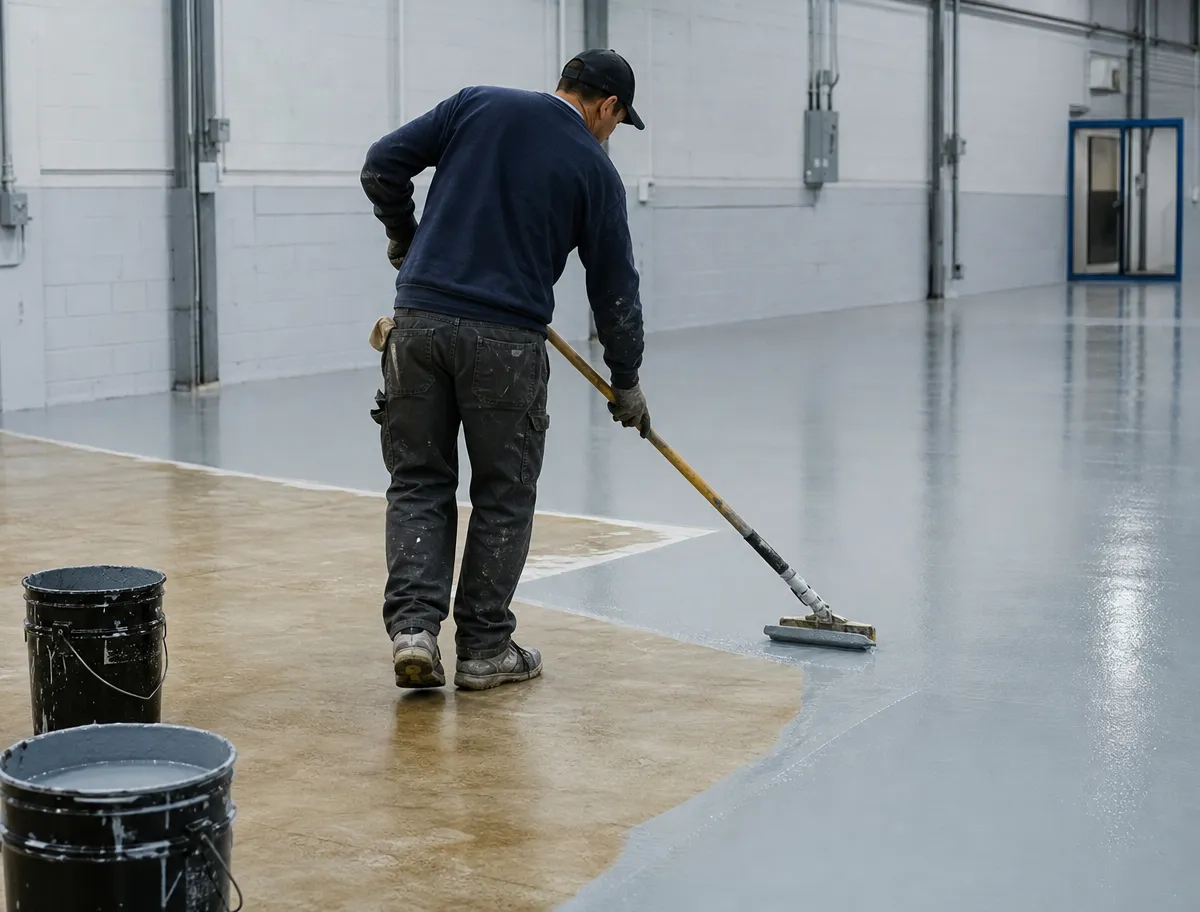
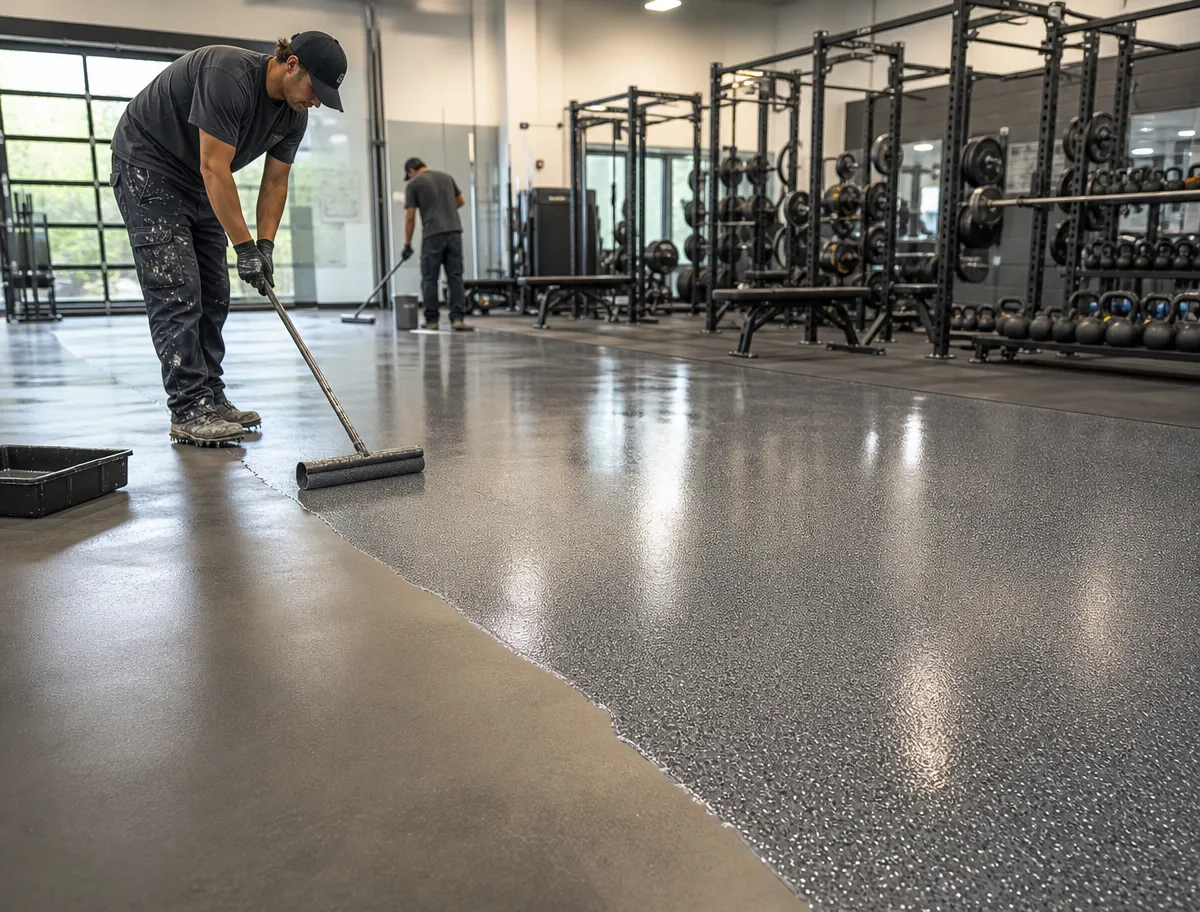
A peeling epoxy garage floor can be a frustrating issue for homeowners in NW Pennsylvania and Greater Pittsburgh, detracting from the aesthetic appeal and functionality of the space. Understanding how to effectively address this problem is crucial for maintaining a durable and attractive surface in this region’s climate. This article will guide you through the process of fixing a peeling epoxy garage floor, exploring both repair methods and the option of a full recoat. You will learn about the causes of peeling, the necessary surface preparation, and the application techniques for a new epoxy coating. Additionally, we will discuss maintenance practices to prevent future issues and help you decide whether to repair or recoat your floor.
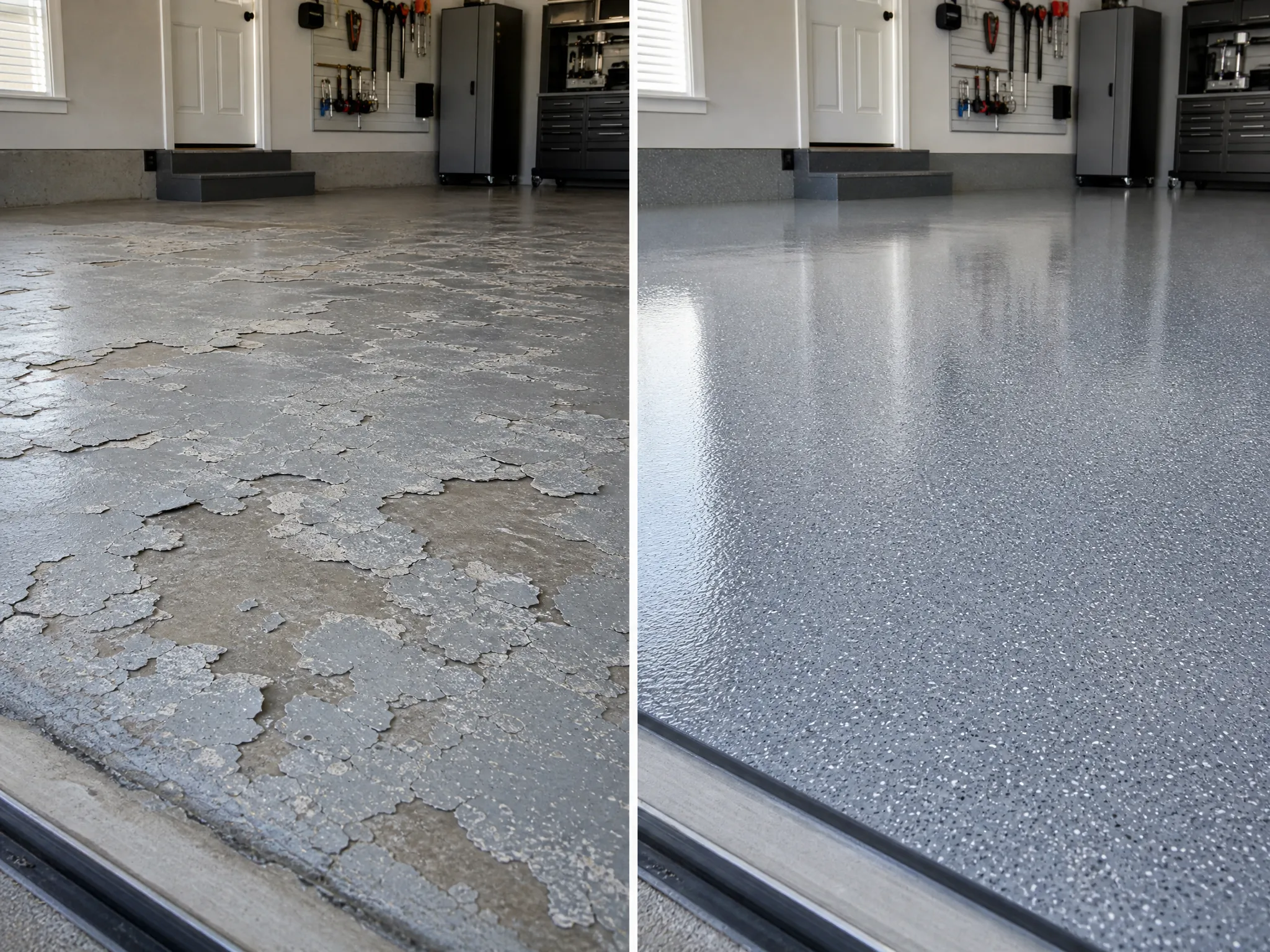
Identify the Cause of Peeling
Peeling in epoxy garage floors can occur due to several factors, primarily related to improper installation or environmental conditions common in NW Pennsylvania and Greater Pittsburgh. Understanding these causes is essential for effective remediation. Common reasons include:
- Improper Surface Preparation: If the concrete surface was not adequately cleaned or primed before applying the epoxy, it can lead to poor adhesion and subsequent peeling.
- Moisture Issues: Excess moisture in the concrete, especially in areas with high humidity or frequent precipitation like this region, can cause the epoxy to lift if the floor was not allowed to cure properly before application.
- Low-Quality Materials: Using inferior epoxy products can result in a lack of durability, making the floor more susceptible to peeling.
Identifying the specific cause of peeling is the first step in determining the appropriate repair method.
Surface Preparation
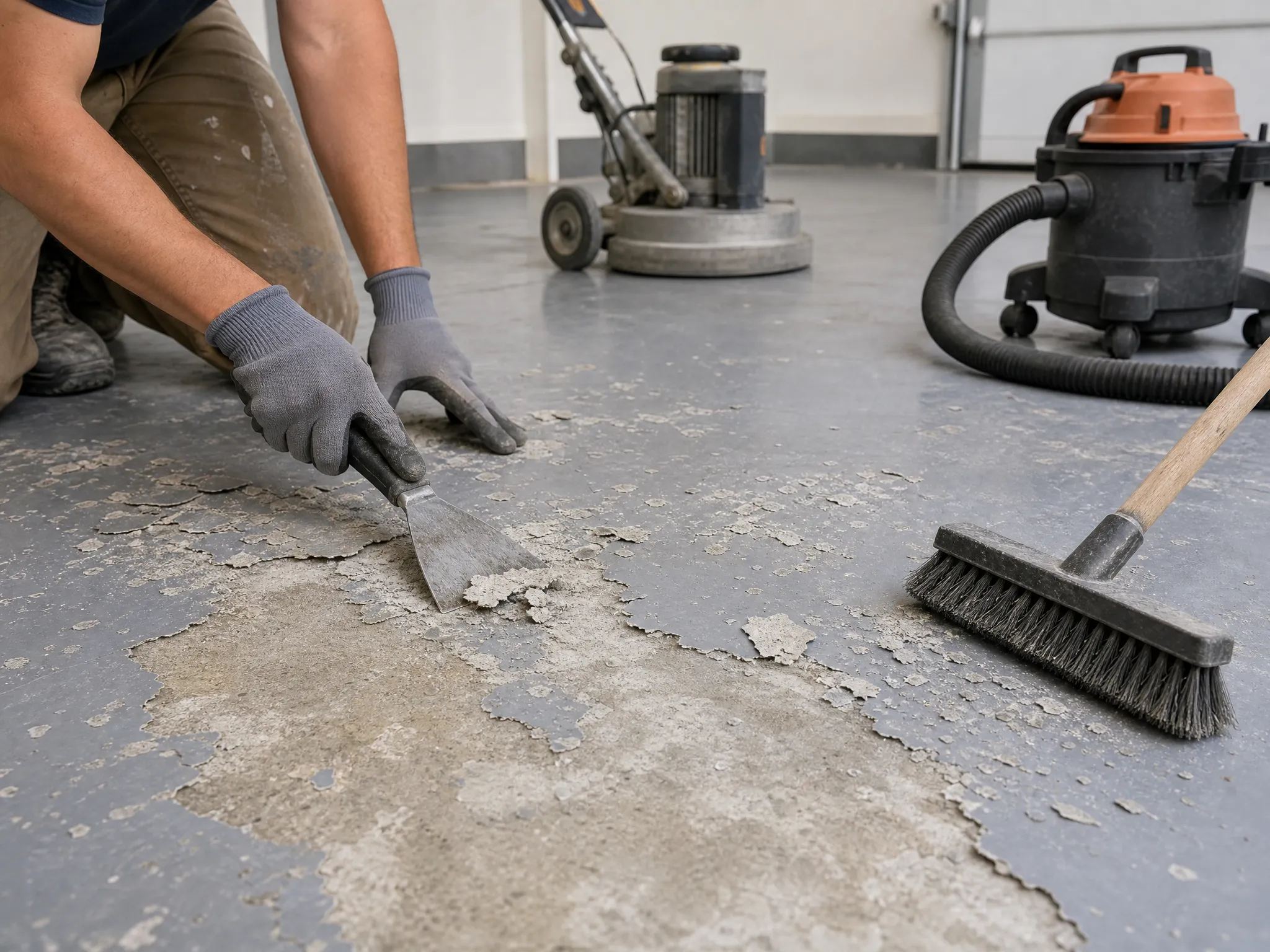
Proper surface preparation is critical for ensuring the longevity of your epoxy coating. Here are the essential steps to prepare your garage floor:
- Cleaning the Floor: Thoroughly clean the surface to remove any dirt, grease, or old coatings. This can be done using a degreaser and a pressure washer.
- Repairing Cracks: Inspect the floor for any cracks or damage. Fill these with a suitable concrete repair product to create a smooth surface. Learn more in our guide on how concrete coatings can help with cracked concrete.
- Creating a Suitable Surface Profile: Use a grinder or shot blaster to create a rough texture on the concrete, which helps the new epoxy adhere better. Per DTIC guidance on thin film and epoxy mortar flooring systems, proper surface profile is essential to eliminate premature failures from surface contamination and low surface strength.
These preparation steps are vital for achieving a successful epoxy application.
Application of New Epoxy Coating
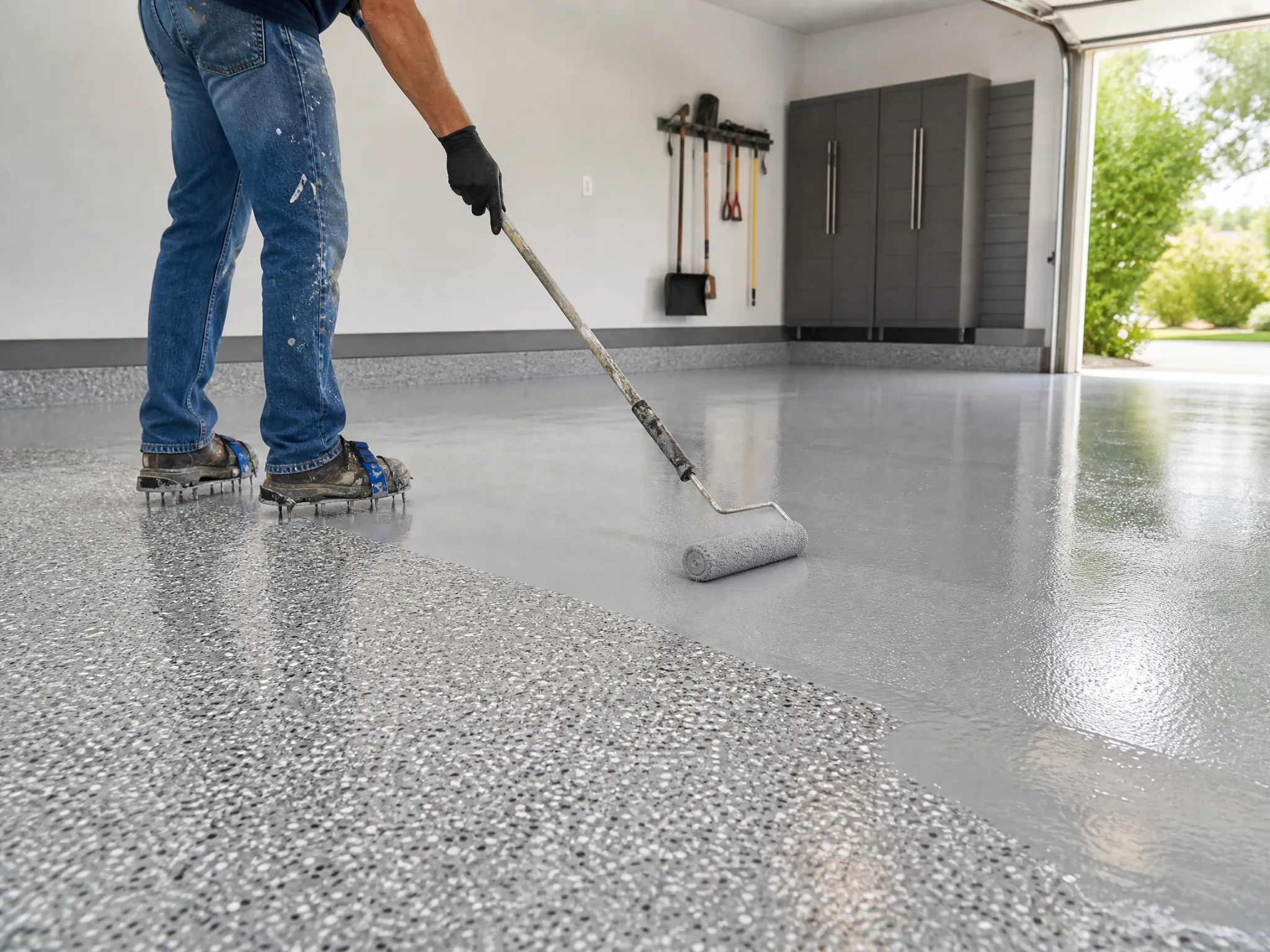
Once the surface is prepared, applying a new epoxy coating can restore the floor’s appearance and durability. Here are the key techniques to follow:
- Choosing the Right Product: Select a high-quality epoxy that is suitable for garage floors. See our review of the best epoxy concrete coatings for garages to find products that offer good adhesion and durability.
- Applying Evenly: Use a roller or squeegee to apply the epoxy evenly across the surface. Ensure that you work in sections to avoid overlaps and ensure a consistent finish.
- Curing Times: Follow the manufacturer’s guidelines for curing times. Proper curing is essential for the epoxy to bond effectively with the concrete.
For those looking for professional assistance, Specialty Concrete Coatings LLC specializes in durable and aesthetic concrete surface solutions, ensuring a high-quality finish for your garage floor in NW Pennsylvania and Greater Pittsburgh.
Curing
Curing is a crucial step in the epoxy application process. It allows the epoxy to harden and bond effectively with the concrete surface. Here are some important points to consider:
- Follow Manufacturer’s Guidelines: Each epoxy product has specific curing times that must be adhered to for optimal results.
- Curing Times Vary by Product: Be aware that different products may have varying curing times, so it’s essential to read the instructions carefully.
Proper curing will enhance the durability and longevity of your epoxy floor.
Final Inspection
After the epoxy has cured, conducting a final inspection is necessary to ensure quality. Here are the steps to follow:
- Check for Defects: Look for any imperfections, such as bubbles or uneven areas, that may need touch-ups.
- Ensure Proper Adhesion: Test the adhesion of the epoxy by lightly scraping the surface with a tool. If it comes off easily, further preparation may be needed. The Ferguson Structural Engineering Laboratory adhesion testing methods for epoxy coatings, including the peel test and knife test, provide a scientific basis for evaluating coating quality.
A thorough inspection will help you identify any issues before they become significant problems.
Maintenance
Maintaining your epoxy garage floor is essential for preventing future peeling and ensuring its longevity. Here are some best practices:
- Regular Cleaning: Sweep and mop the floor regularly to remove dirt and debris that can cause wear.
- Immediate Stain Removal: Address spills promptly to prevent staining and damage to the epoxy surface.
- Periodic Resealing: Consider resealing the floor every few years to maintain its protective layer and enhance its appearance. For a full overview, see our key maintenance considerations for specialty concrete surfaces.
By following these maintenance tips, you can keep your epoxy floor looking great for years to come.
What Causes Epoxy Garage Floor Peeling and How to Identify It?
Identifying the causes of epoxy garage floor peeling is crucial for effective repair. Common signs include:
- Visual Inspection: Look for visible peeling or bubbling on the surface.
- Moisture Testing: Conduct moisture tests to check for underlying issues that may contribute to peeling.
- Surface Feel: A rough or uneven surface can indicate poor adhesion and potential peeling.
Recognizing these signs early can help you take action before the problem worsens.
Which Factors Lead to Epoxy Floor Peeling?
Several factors can contribute to the peeling of epoxy floors, including:
- Environmental Conditions: High humidity or extreme temperatures during application can affect adhesion.
- Heavy Traffic: Excessive weight or frequent movement on the floor can lead to wear and peeling.
- Chemical Exposure: Harsh chemicals can degrade the epoxy surface, leading to peeling.
Understanding these factors can help you mitigate risks and maintain your floor’s integrity.
How to Detect Early Signs of Garage Floor Coating Peeling?
Detecting early signs of peeling can save you time and money. Look for:
- Visible Peeling: Small areas of peeling can indicate a larger problem.
- Bubbling: Bubbles forming under the surface can signal moisture issues.
- Discoloration: Changes in color may indicate degradation of the epoxy.
By being vigilant, you can address issues before they escalate.
What Are the Step-by-Step Methods for Epoxy Garage Floor Repair?
Repairing a peeling epoxy garage floor involves several steps:
- Thorough Cleaning: Start by cleaning the affected area to remove dirt and debris.
- Inspect for Damage: Check for cracks or other damage that may need repair.
- Repair Cracks: Use a concrete repair product to fill in any cracks.
- Reapply Epoxy: Follow the application steps outlined earlier to reapply the epoxy.
These steps will help restore your floor’s appearance and functionality.
How to Fix Epoxy Floor Bubbles and Patching Techniques?
Bubbles in epoxy can be unsightly and indicate underlying issues. To fix them:
- Identify Bubbles: Locate all areas with bubbles and assess their size and extent.
- Patching Methods: Use a patching compound to fill in the bubbles, ensuring a smooth surface.
- Reapply Epoxy: Once patched, reapply the epoxy to restore the floor’s finish.
Addressing bubbles promptly will help maintain the integrity of your floor.
What Surface Preparation Is Required for Effective Epoxy Repair?
Effective surface preparation is key to a successful epoxy repair. Required steps include:
- Thorough Cleaning: Remove all contaminants from the surface.
- Inspect for Damage: Look for cracks or other issues that need addressing.
- Remove Existing Coatings: If necessary, strip away old epoxy to ensure proper adhesion.
Proper preparation will set the stage for a successful repair.
When Should You Choose Full Garage Floor Recoating Over Repair?
Deciding between repair and full recoating depends on several factors:
- Extent of Damage: If peeling is widespread, recoating may be more effective.
- Underlying Issues: Address any moisture or structural problems before deciding.
- Cost Considerations: Evaluate the cost-effectiveness of each option based on the condition of your floor. Our DIY garage floor coating cost study can help you compare DIY and professional options.
Making an informed decision will help you achieve the best results.
What Are the Benefits of Full Epoxy Floor Recoating?
Full recoating offers several advantages:
- Comprehensive Coverage: A new layer of epoxy can cover existing imperfections and provide a fresh look.
- Enhanced Durability: New epoxy formulations often offer improved resistance to wear and tear. Before recoating, read our guide on choosing between epoxy and polyurea for your garage floor to select the best option for your needs.
- Improved Aesthetics: A full recoat can significantly enhance the visual appeal of your garage.
These benefits make recoating a worthwhile consideration for many homeowners.
How to Decide Between Repair and Full Recoat for Peeling Floors?
When deciding between repair and full recoat, consider:
- Cost-Effectiveness: Assess the costs associated with each option.
- Desired Longevity: Determine how long you want the solution to last.
- Signs Indicating Recoating: Look for extensive peeling or damage that may warrant a full recoat.
This decision will ultimately depend on your specific situation and goals.
What Are the Typical Costs and Maintenance Tips for Epoxy Floor Repair and Recoating?
Understanding the costs associated with epoxy floor repair and recoating is essential for budgeting. Typical costs include:
- Repair Costs: Generally range from $2 to $6 per square foot for standard repairs.
- Recoating Costs: Typically range from $4 to $10 per square foot for epoxy coatings.
In addition to costs, consider these maintenance tips to prolong the life of your floor:
- Regular Cleaning: Keep the surface clean to prevent wear.
- Immediate Stain Removal: Address spills quickly to avoid staining.
- Periodic Resealing: Reseal the floor every few years to maintain its protective layer.
These practices will help you manage costs and maintain your floor effectively.
How Much Does Garage Floor Recoating Cost in NW Pennsylvania and Greater Pittsburgh?
In NW Pennsylvania and Greater Pittsburgh, the cost of garage floor recoating varies based on several factors:
- Cost Range: Expect to pay between $4 to $10 per square foot for quality epoxy coatings.
- Factors Influencing Costs: Consider the size of the area, the condition of the existing floor, and the type of epoxy used.
Understanding these costs will help you plan your budget effectively.
What Maintenance Practices Prevent Future Epoxy Peeling?
To prevent future peeling of your epoxy floor, implement these maintenance practices:
- Regular Cleaning: Sweep and mop the floor regularly to remove dirt and debris.
- Immediate Stain Removal: Address spills promptly to prevent staining and damage.
- Periodic Resealing: Reseal the floor every few years to maintain its protective layer.
By following these practices, you can extend the life of your epoxy floor and keep it looking great.
Frequently Asked Questions
What are the signs that indicate I need to recoat my epoxy garage floor?
Widespread peeling, discoloration, visible wear, bubbling, or rough texture suggest a recoat is needed. If cleaning no longer restores the floor’s look, consider a full recoat.
How long does an epoxy garage floor typically last?
A well-installed epoxy floor lasts 5 to 10 years, sometimes longer with proper care like cleaning and resealing. See our best garage floor coating guide for 2026 for the latest top-rated products and professional recommendations.
Can I apply epoxy over an existing epoxy floor?
Yes, but thorough cleaning, repairing, and sanding or grinding the old epoxy are necessary for good adhesion. Remove damaged epoxy if needed.
What tools do I need for epoxy garage floor repair?
You need a pressure washer or degreaser, concrete repair product, grinder or shot blaster, roller or squeegee, and safety gear like gloves and goggles.
How can I prevent moisture issues that lead to peeling?
Ensure good ventilation, use moisture barriers during installation, check for leaks, and test concrete moisture before applying epoxy.
Is it necessary to hire a professional for epoxy floor installation?
Professionals ensure proper surface prep, even application, and correct curing, leading to better results and durability.
What should I do if my epoxy floor starts to bubble after application?
Identify the cause, let bubbles cure, pop them carefully, patch with epoxy filler, and reapply a thin epoxy layer.
Ready to Restore Your Garage Floor?
For expert garage concrete coating services and repair in NW Pennsylvania and Greater Pittsburgh, trust Specialty Concrete Coatings LLC. Our professional team ensures durable, high-quality finishes that stand up to local conditions. Get a free quote today.