Polyaspartic garage floors are becoming an increasingly popular choice for homeowners and business owners due to their exceptional durability, fast curing times, and attractive finish. Typically, these floors can last anywhere from 15 to 30 years, depending on factors such as traffic, environmental exposure, and installation quality. This longevity makes polyaspartic garage floor coatings a smart investment for those seeking a long-lasting, low-maintenance garage floor solution.
In this guide, we will explore the expected lifespan of polyaspartic garage floors, compare them to other coatings like epoxy, and provide maintenance tips to help you maximize their durability.
Lifespan of Polyaspartic Garage Floors
Polyaspartic garage floors typically last between 15 to 30 years, depending on various factors. Professional installations can even exceed 30 years, making them a long-term investment for your property. The lifespan of these coatings is influenced by several elements, including traffic levels, environmental conditions, and the quality of installation. Understanding these factors can help you make informed decisions about your flooring options.
Typical Lifespan
The average lifespan of a polyaspartic garage floor ranges from 15 to 30 years. This range can vary based on usage and environmental factors. For instance, residential garages with light traffic may see their floors last closer to the 30-year mark, while commercial spaces with heavy machinery and foot traffic may experience wear more quickly. Compared to epoxy coatings, polyaspartic floors generally offer superior longevity and resilience.
Factors Influencing Durability
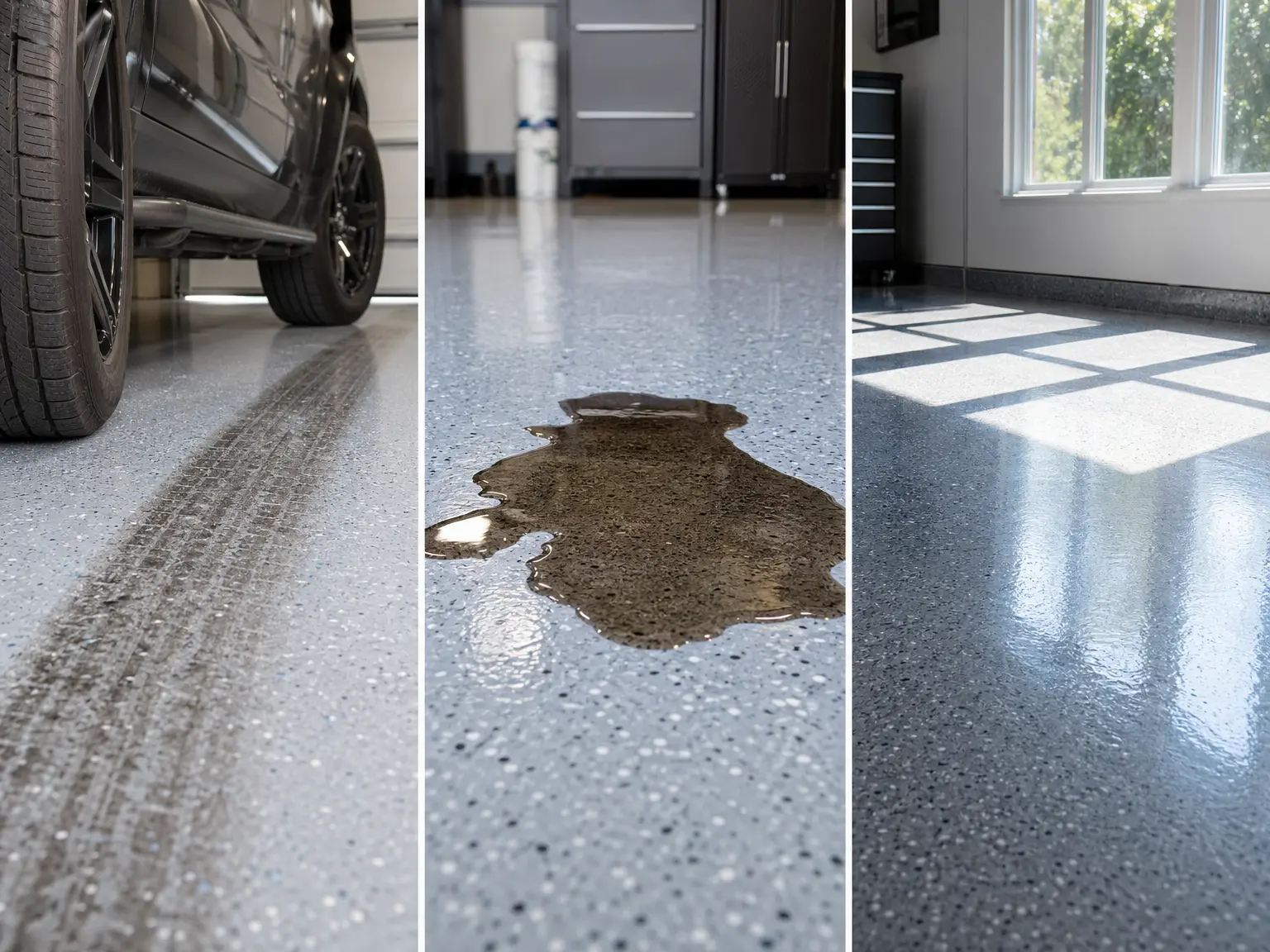
- Traffic Levels: High traffic can lead to increased wear and tear, reducing the lifespan of the coating.
- Environmental Conditions: Exposure to extreme temperatures, moisture, and UV rays can affect the performance of the coating.
- Quality of Installation: Proper installation is crucial for maximizing the lifespan of polyaspartic floors. Poor application can lead to premature failure.
Understanding these factors can help you choose the right flooring solution for your needs. For a deeper look at the science behind these coatings, see the AMPP technical resource on polyaspartic coating technology and applications.
What Is the Typical Lifespan of a Polyaspartic Garage Floor Coating?
Polyaspartic coatings typically last between 15 to 30 years, making them a reliable choice for garage flooring. Their durability is attributed to their chemical resistance and ability to withstand various environmental conditions. This lifespan is generally longer than that of traditional epoxy coatings, which may require replacement sooner due to wear and tear.
How Does Polyaspartic Compare to Epoxy in Garage Floor Durability?
When comparing polyaspartic and epoxy coatings, polyaspartic options tend to outperform epoxy in several key areas.
Key Differences in Lifespan and Performance
Polyaspartic coatings generally last longer than epoxy, with a lifespan that can exceed 30 years under optimal conditions. They also offer better resistance to UV light, chemicals, and abrasion, making them suitable for both residential and commercial applications. In contrast, epoxy may yellow over time and is more susceptible to damage from harsh chemicals. The chemistry of polyaspartic coatings (American Chemical Society) explains why these coatings outperform traditional options in durability and UV stability. For a side-by-side breakdown, read our guide on choosing between epoxy and polyurea for your garage floor.
Advantages of Polyaspartic Over Epoxy for Garage Floors
Polyaspartic coatings provide several advantages over epoxy, including:
- Longer Lifespan: Polyaspartic floors can last significantly longer than epoxy options.
- Better UV Resistance: They maintain their color and clarity even when exposed to sunlight.
- Faster Cure Times: Polyaspartic coatings cure quickly, allowing for faster installation and use.
These benefits make polyaspartic coatings an attractive choice for those looking to invest in durable garage flooring.
What Maintenance Is Required to Maximize Polyaspartic Floor Lifespan?
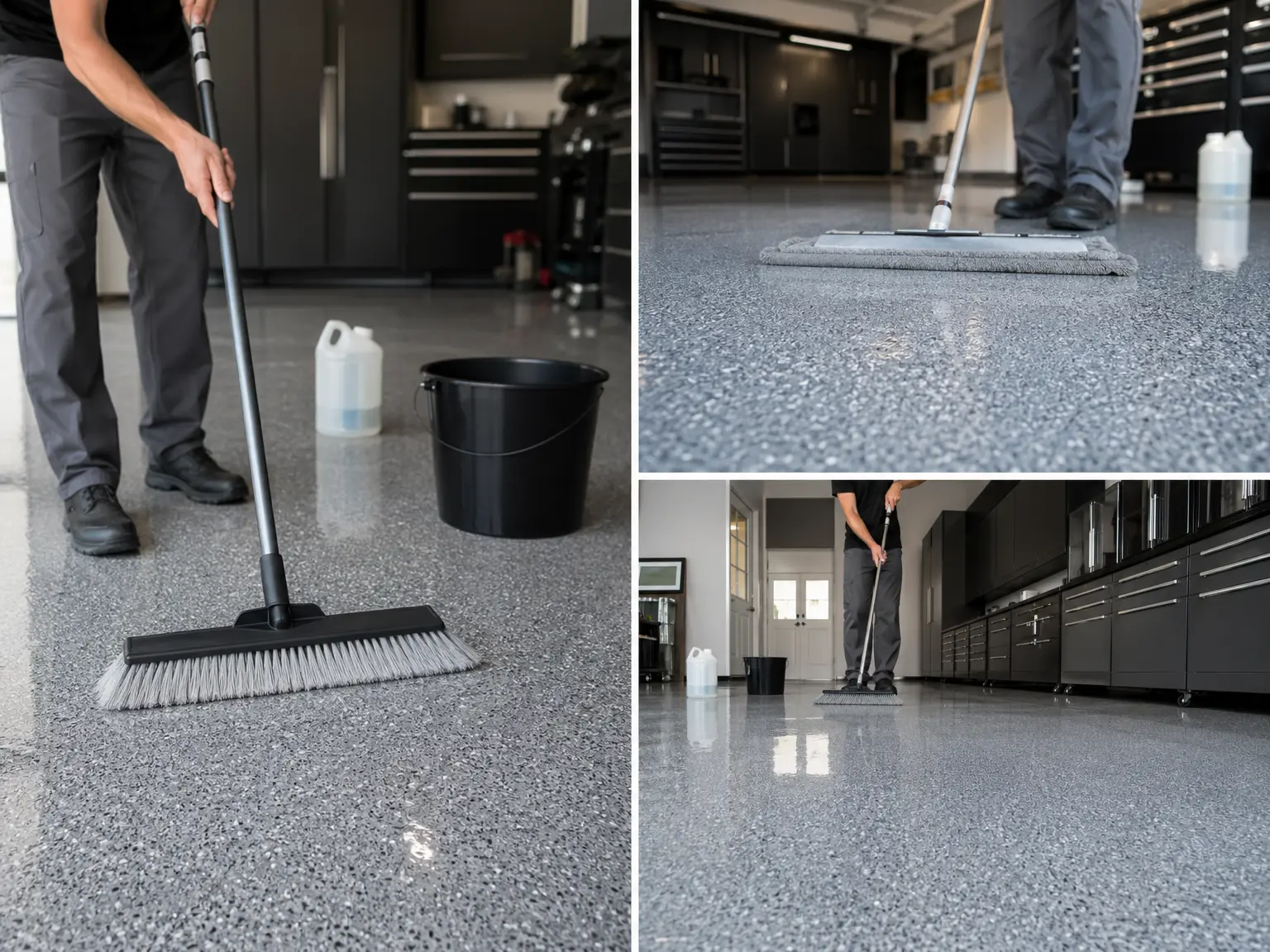
To ensure the longevity of your polyaspartic garage floor, regular maintenance is essential. Implementing proper cleaning and upkeep practices can significantly extend the life of the coating.
Recommended Cleaning and Upkeep Practices
Regular cleaning is crucial for maintaining the appearance and durability of your polyaspartic floor. Here are some recommended practices:
- Sweep Regularly: Remove dirt and debris to prevent scratches.
- Mop with Mild Detergent: Use a pH-neutral cleaner to avoid damaging the coating.
- Avoid Harsh Chemicals: Steer clear of abrasive cleaners that can wear down the surface.
If you want to learn more about maintaining your floor, our key maintenance considerations for specialty concrete surfaces guide provides detailed guidance on care and upkeep.
Common Repair Solutions and When to Apply Them
If your polyaspartic floor sustains damage, timely repairs are vital. Common issues include:
- Scratches: Minor scratches can often be buffed out with a polishing compound.
- Chips: Use a repair kit designed for polyaspartic coatings to fill in chips.
- Stains: Address stains immediately with appropriate cleaning solutions to prevent permanent discoloration.
By following these maintenance tips, you can maximize the lifespan of your polyaspartic garage floor.
Why Choose Polyaspartic Coatings for Garage Floors in NW Pennsylvania and Greater Pittsburgh?
Choosing polyaspartic coatings for garage floors in NW Pennsylvania and Greater Pittsburgh offers several benefits tailored to the local climate and environmental conditions.
Local Climate Impact on Coating Durability
The climate in NW Pennsylvania and the Greater Pittsburgh area is characterized by cold winters with snow and ice, humid summers, and significant temperature fluctuations throughout the year. These conditions can be tough on garage flooring materials. Polyaspartic coatings are especially well-suited to this environment because they resist moisture penetration, prevent damage from freeze-thaw cycles, and maintain their integrity despite exposure to road salts and de-icing chemicals commonly used in the region. Their excellent UV resistance also helps prevent yellowing and degradation during the sunnier months.
Specialty Concrete Coatings LLC’s Expertise and Warranty Benefits
Specialty Concrete Coatings LLC specializes in polyaspartic coatings, offering expert installation and a warranty that guarantees the quality of your flooring. With years of experience serving NW Pennsylvania and Greater Pittsburgh, they understand the unique challenges posed by the local climate and tailor their application techniques accordingly. Their commitment to quality and customer satisfaction makes them a trusted choice for homeowners and businesses alike, ensuring your garage floor will withstand the test of time in this region. Ready to get started? Request a free quote today.
Frequently Asked Questions
1. What are the main benefits of choosing polyaspartic coatings for garage floors?
Polyaspartic coatings offer numerous advantages, including exceptional durability, resistance to UV light, and faster cure times compared to traditional epoxy. They can withstand extreme temperatures and moisture, making them ideal for various climates. Additionally, polyaspartic floors maintain their color and clarity over time, ensuring a long-lasting aesthetic appeal. Their quick installation process minimizes downtime, allowing you to use your garage sooner. Overall, these coatings provide a reliable and attractive flooring solution for both residential and commercial spaces.
2. How do I know if my polyaspartic garage floor needs repair?
Signs that your polyaspartic garage floor may need repair include visible scratches, chips, or stains that do not come out with regular cleaning. If you notice any peeling or bubbling, it may indicate moisture issues or improper installation. Regular inspections can help you catch these problems early. Addressing minor damages promptly can prevent them from worsening and prolong the lifespan of your floor. If you’re unsure, consulting a professional can provide clarity on necessary repairs and maintenance.
3. Can I apply polyaspartic coatings myself, or should I hire a professional?
While some homeowners may consider DIY application of polyaspartic coatings, hiring a professional is highly recommended. Proper installation is crucial for maximizing the lifespan and performance of the coating. Professionals have the experience and tools necessary to ensure a flawless application, minimizing the risk of issues like peeling or bubbling. Additionally, many companies offer warranties on their work, providing peace of mind. If you want the best results, investing in professional installation is the way to go.
4. Are polyaspartic coatings environmentally friendly?
Polyaspartic coatings are generally considered more environmentally friendly than traditional epoxy options. They contain lower levels of volatile organic compounds (VOCs), which contribute to air pollution and health issues. Additionally, their durability means they require less frequent replacement, reducing waste over time. When choosing a coating, look for products that are certified for low VOC emissions to ensure a more sustainable choice for your garage flooring. This makes polyaspartic coatings a responsible option for eco-conscious homeowners.
5. What is the cost difference between polyaspartic and epoxy garage floors?
The cost of polyaspartic garage floors typically ranges higher than that of epoxy coatings due to their superior durability and performance. While epoxy may be a more budget-friendly option initially, polyaspartic coatings can save money in the long run due to their longer lifespan and reduced maintenance needs. When considering the total cost of ownership, polyaspartic floors often prove to be a more economical investment. It’s essential to evaluate your specific needs and budget when making a decision.
6. How can I enhance the slip resistance of my polyaspartic garage floor?
To enhance slip resistance on your polyaspartic garage floor, consider adding anti-slip additives during the application process. These additives create a textured surface that improves traction, especially in wet conditions. Additionally, regular maintenance, such as cleaning spills promptly and using mats in high-traffic areas, can help prevent slips. If you’re concerned about safety, consult with your flooring professional about the best options for increasing slip resistance while maintaining the floor’s aesthetic appeal.
7. What should I do if my polyaspartic floor starts to discolor?
If you notice discoloration on your polyaspartic floor, it’s essential to identify the cause. Common reasons include exposure to harsh chemicals, UV light, or moisture. Start by cleaning the area with a pH-neutral cleaner to see if it improves the appearance. If discoloration persists, consult a professional for advice on repair options. In some cases, a reapplication of the coating may be necessary to restore the floor’s original look. Regular maintenance can help prevent future discoloration.