What to Do if Your Specialty Concrete Cracks or Fails After Installation
Specialty concrete is prized for its durability and aesthetic appeal, but even the best installations can experience cracks or failures over time. Understanding how to address these issues is crucial for maintaining the integrity and appearance of your concrete surfaces. This article will guide you through effective repair solutions, common causes of failure, and maintenance practices to prevent future issues. We will explore the signs of damage, the environmental factors that contribute to coating failure, and the best methods for restoration. By the end, you will have a comprehensive understanding of how to manage cracked or failed specialty concrete effectively.
Effective Concrete Coating Repair Solutions
When specialty concrete cracks or fails, timely repair is essential to prevent further damage. Effective solutions include periodic resealing, which protects the surface from moisture infiltration and UV damage that can lead to deterioration; repairing minor damages promptly, which addresses small cracks and chips before they expand into more significant issues; and regular professional inspections, which ensure any potential problems are identified and addressed early. These proactive measures can significantly extend the life of your specialty concrete coatings. If you are unsure whether your surface has reached the point of needing intervention, review the 5 signs your concrete surface needs a coating upgrade before deciding on next steps.
What Are the Common Causes of Specialty Concrete Coating Failure?
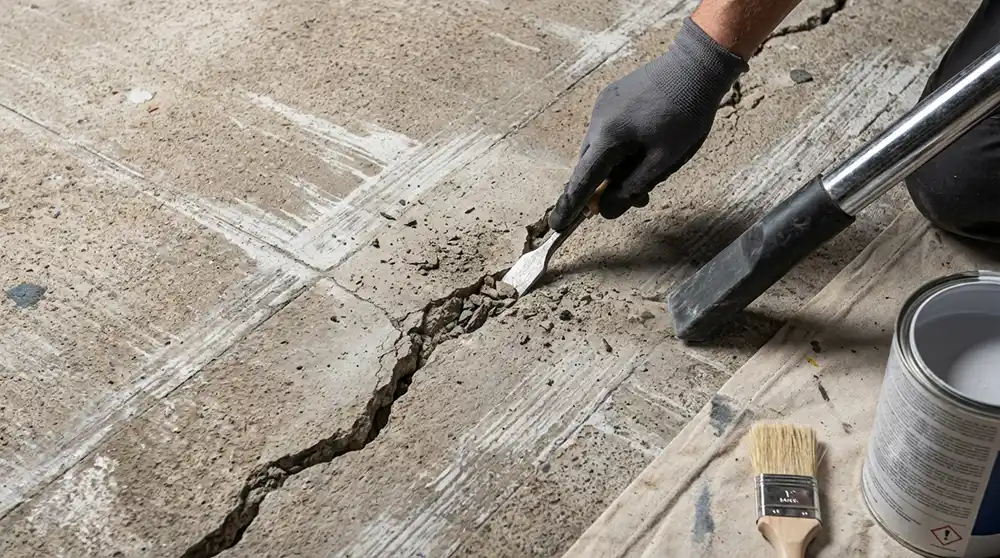
Understanding the common causes of specialty concrete coating failure is vital for prevention and repair. Freeze-thaw damage occurs when water seeps into cracks, freezes, and expands, leading to further cracking and surface damage — a particularly common issue across Pennsylvania winters. Poor surface preparation, including inadequate cleaning or priming before coating application, can result in poor adhesion and premature failure. Use of harsh chemicals, such as certain cleaning agents, can degrade concrete coatings over time, leading to discoloration and loss of protective properties.
Research further highlights the specific impact of environmental factors like freeze-thaw cycles and chlorides on various concrete coating materials. One study assessed the durability of coated and uncoated concrete surfaces protected with four different coating materials: water-soluble, solvent-based, mineral, and epoxy. Results indicated that epoxy and water-soluble coatings were significantly affected by the presence of urea and freeze-thaw cycles, resulting in a 43% and 47% reduction in pull-off adhesion strength respectively.
By recognizing these causes, you can take steps to mitigate risks and ensure the longevity of your concrete surfaces. Understanding how concrete coatings hold up against weather is an important first step in choosing the right system for your climate.
How Do Concrete Cracks Lead to Coating Damage?
Concrete cracks can significantly impact the integrity of coatings applied to the surface. When cracks form, they allow moisture to infiltrate, which can lead to further deterioration of both the concrete and the coating. Moisture infiltration is particularly problematic as it can cause the coating to bubble, peel, or discolor. Additionally, freeze-thaw cycles can exacerbate these issues, leading to more extensive damage if not addressed promptly. Early crack repair is crucial to maintaining the protective qualities of the coating and preventing further damage. For a closer look at how coatings interact with existing damage, see our dedicated guide on how coatings can help with cracked concrete.
What Environmental and Installation Factors Contribute to Failure?
Several environmental and installation factors can contribute to the failure of specialty concrete coatings. Temperature fluctuations cause the concrete to expand and contract, leading to cracks over time. Moisture levels, including high humidity or direct water exposure, can weaken the bond between the concrete and the coating. UV exposure from prolonged sunlight can degrade coatings, causing them to fade and lose their protective qualities. Awareness of these factors can help in planning installations and maintenance schedules to minimize the risk of failure.
How Can You Identify Signs and Symptoms of Concrete Coating Damage?
Identifying signs of concrete coating damage early can save you from costly repairs. Cracking — visible cracks in the surface — can indicate underlying issues that need immediate attention. Peeling signals poor adhesion or moisture infiltration beneath the coating. Discoloration suggests degradation caused by UV exposure or chemical damage. Regular inspections can help catch these signs early, allowing for timely repairs.
What Visual Indicators Signal Cracks or Surface Deterioration?
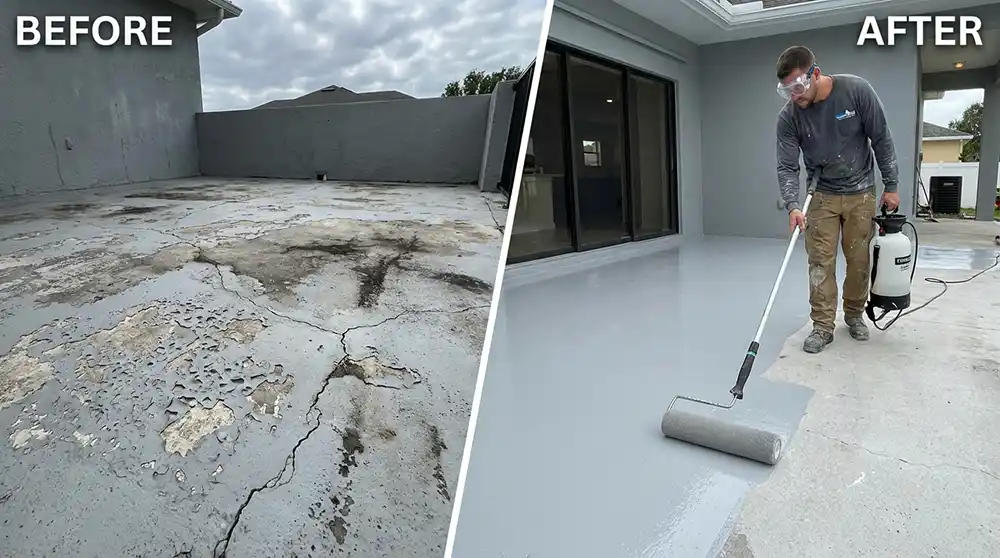
Visual indicators of cracks or surface deterioration can often be spotted with a careful inspection. Visible wear in high-traffic areas may indicate that the coating is losing its protective properties. Peeling occurs when moisture becomes trapped beneath the coating, leading to adhesion failure. Surface pitting — small holes or indentations — indicates that the concrete itself is breaking down, often due to environmental factors. Recognizing these indicators can help you take action before the damage worsens.
When Should You Seek Professional Assessment for Concrete Damage?
Knowing when to seek professional help for concrete damage is crucial for effective repair. You should consider a professional assessment if you notice visible cracks or potholes, which can signal significant underlying structural issues; fading color, which indicates the coating is deteriorating and may need replacement; or standing water, which can lead to moisture-related damage and should be addressed immediately. Engaging professionals can provide a thorough evaluation and tailored repair solutions for your specific situation.
What Are the Best Repair and Restoration Methods for Cracked Concrete Coatings?
The best methods for repairing cracked concrete coatings include periodic resealing, prompt repair of minor damages, and regular professional inspections. Various studies have explored effective materials and techniques for repairing concrete structures, especially those damaged by erosion. One U.S. Army Corps of Engineers investigation evaluated a range of materials including armored concrete, epoxy resins, fiber-reinforced concrete, and polymer-impregnated concrete, finding that material selection and proper technique are both critical to repair success.
Maintenance and Preservation of Concrete Structures. Report 2. Repair of Erosion-Damaged Structures, 1980
Implementing these methods can significantly enhance the durability and appearance of your specialty concrete. To understand the full scope of what goes into keeping coated surfaces in top condition, review our key maintenance considerations for specialty concrete surfaces.
How Does Crack Filling and Surface Preparation Restore Durability?
Crack filling and proper surface preparation are essential for restoring the durability of concrete coatings. Cleaning and degreasing the surface before applying any coating ensures that it adheres properly. Repairing cracks with appropriate fillers prevents moisture infiltration, which can lead to further damage. Creating a suitable surface profile enhances the bond between the concrete and the coating, ensuring long-lasting protection. Beyond traditional crack fillers, specialized methods like epoxy foam injection can be crucial for addressing moisture-related issues, and should be specified when water seepage or subsurface voids are anticipated.
Experience Report On Coating Concrete Containment Structures In A Maintenance Environment In Power Plants, 1997
What Are the Benefits of Recoating and Specialty Concrete Repair Services?
Recoating and specialty concrete repair services offer several key benefits. Increased durability results from restoring the protective layer, which extends the life of the concrete. Improved aesthetics come from fresh coatings that make surfaces look new again. Enhanced safety is achieved by repairing cracks and applying new coatings to reduce slip hazards. The Concrete Network’s repair resource outlines how professional recoating services compare to DIY approaches and what property owners should expect from the process. These services are essential for maintaining the functionality and appearance of your concrete surfaces.
How Can You Maintain Durable Concrete Coatings to Prevent Future Failures?
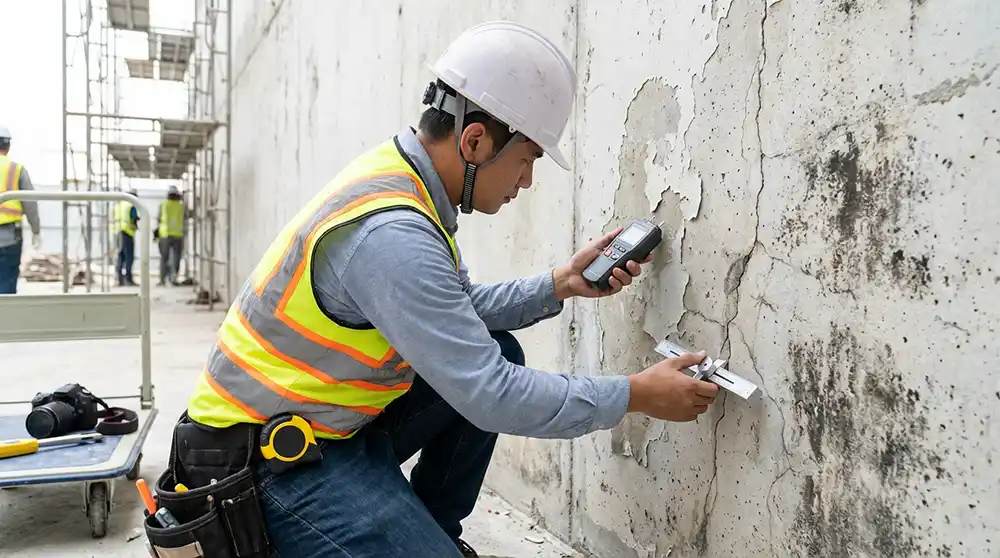
Maintaining durable concrete coatings is key to preventing future failures. Regular cleaning prevents the buildup of dirt and grime that can degrade the coating over time. Immediate stain removal addresses stains before they set and cause permanent damage. Periodic resealing protects the surface from moisture and UV damage, extending the life of the coating. By implementing these maintenance practices, you can significantly enhance the longevity of your specialty concrete coatings.
What Routine Maintenance Practices Extend Coating Lifespan?
Routine maintenance practices play a crucial role in extending the lifespan of concrete coatings. Regular cleaning removes contaminants that can damage the coating over time. Immediate stain removal prevents them from becoming permanent. Periodic resealing protects the surface from environmental damage and maintains its appearance. These practices ensure that your concrete surfaces remain in optimal condition for years to come. For a broader view of what extends surface performance, our article on how to extend the life of your concrete surfaces covers the most impactful steps homeowners can take.
How Do Warranty and Service Guarantees Protect Your Investment?
Warranties and service guarantees are essential for protecting your investment in concrete coatings. Peace of mind comes from knowing your investment is covered in the event of unexpected issues. Understanding coverage by familiarizing yourself with warranty terms helps you make informed decisions about maintenance and repairs. Long-term value is reinforced by a solid warranty that keeps your concrete surfaces in excellent condition, enhancing the overall value of your property. For comprehensive solutions and services, consider Specialty Concrete Coatings LLC. They offer a full range of options to address your concrete coating needs across Western Pennsylvania and beyond.