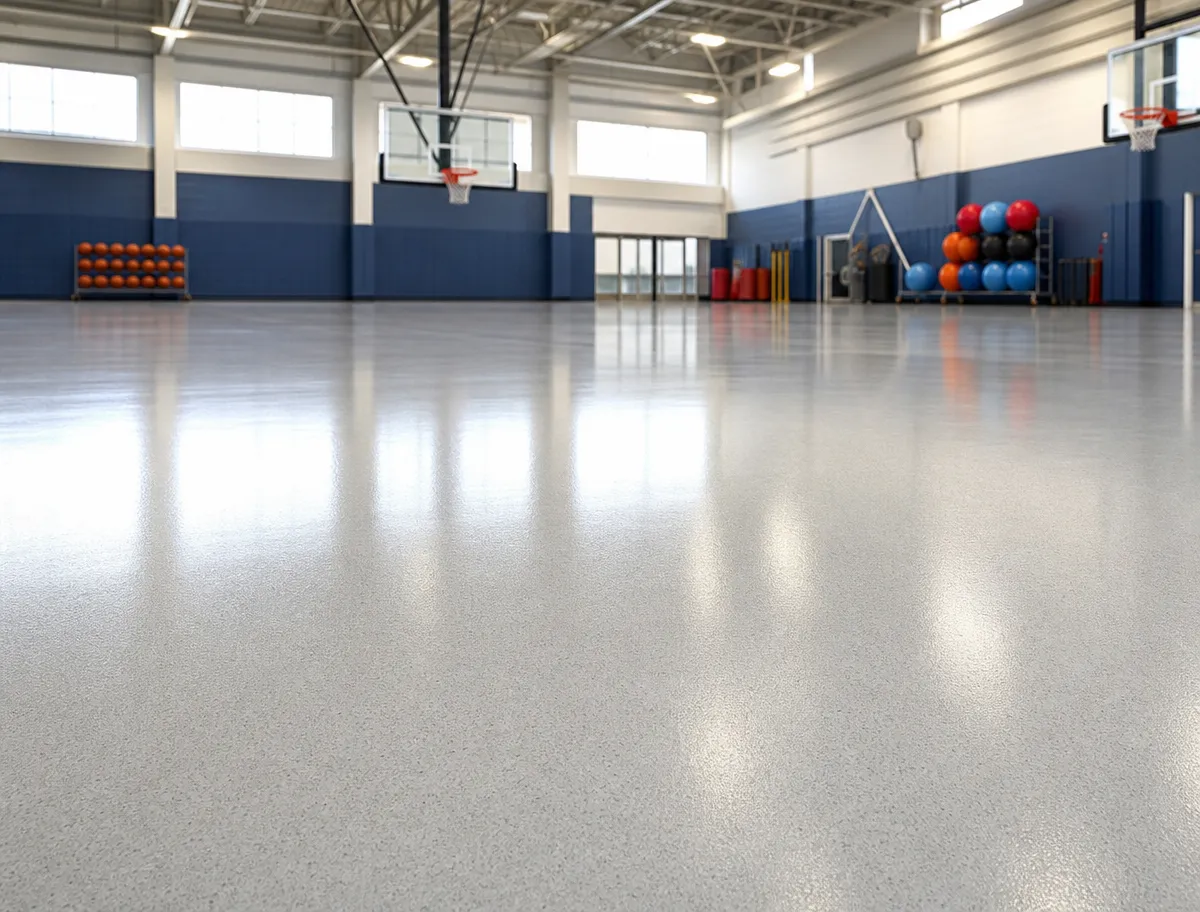
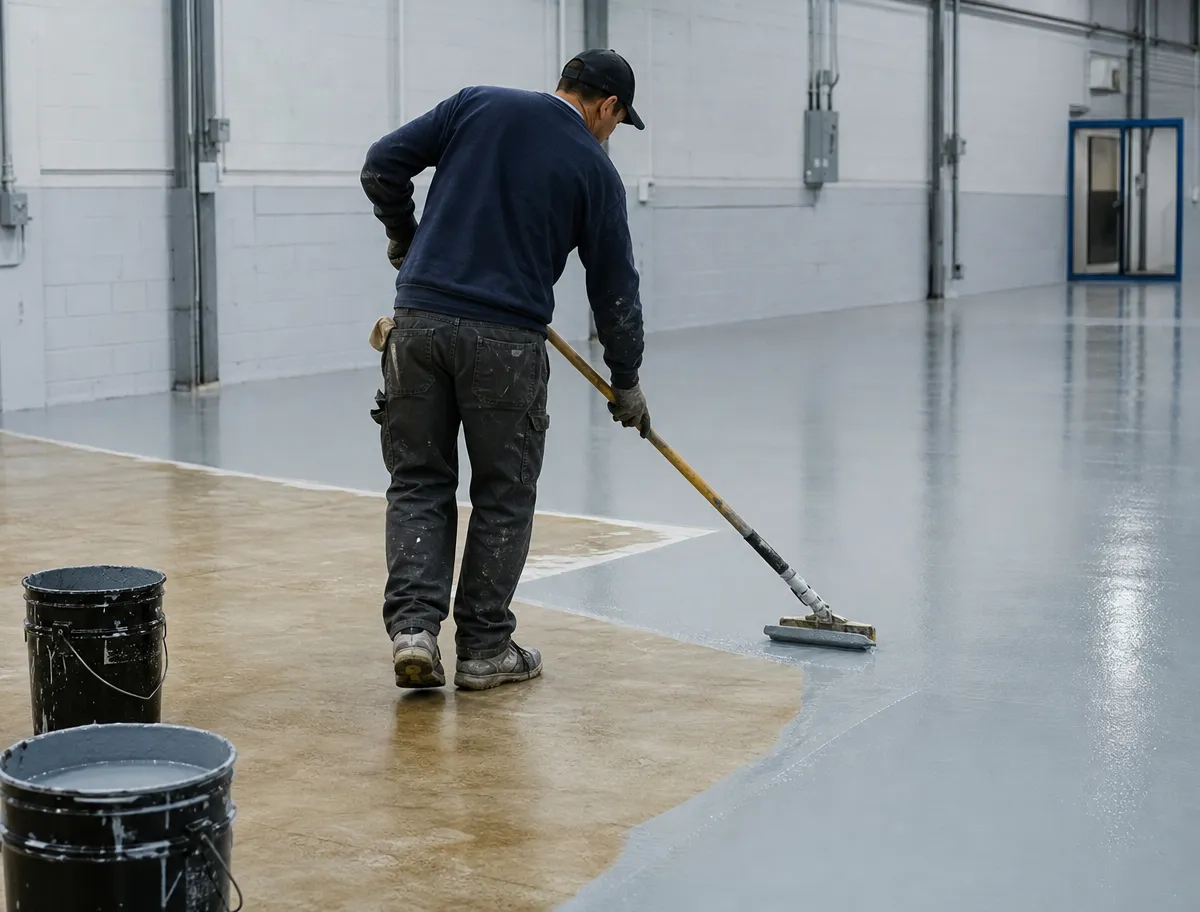
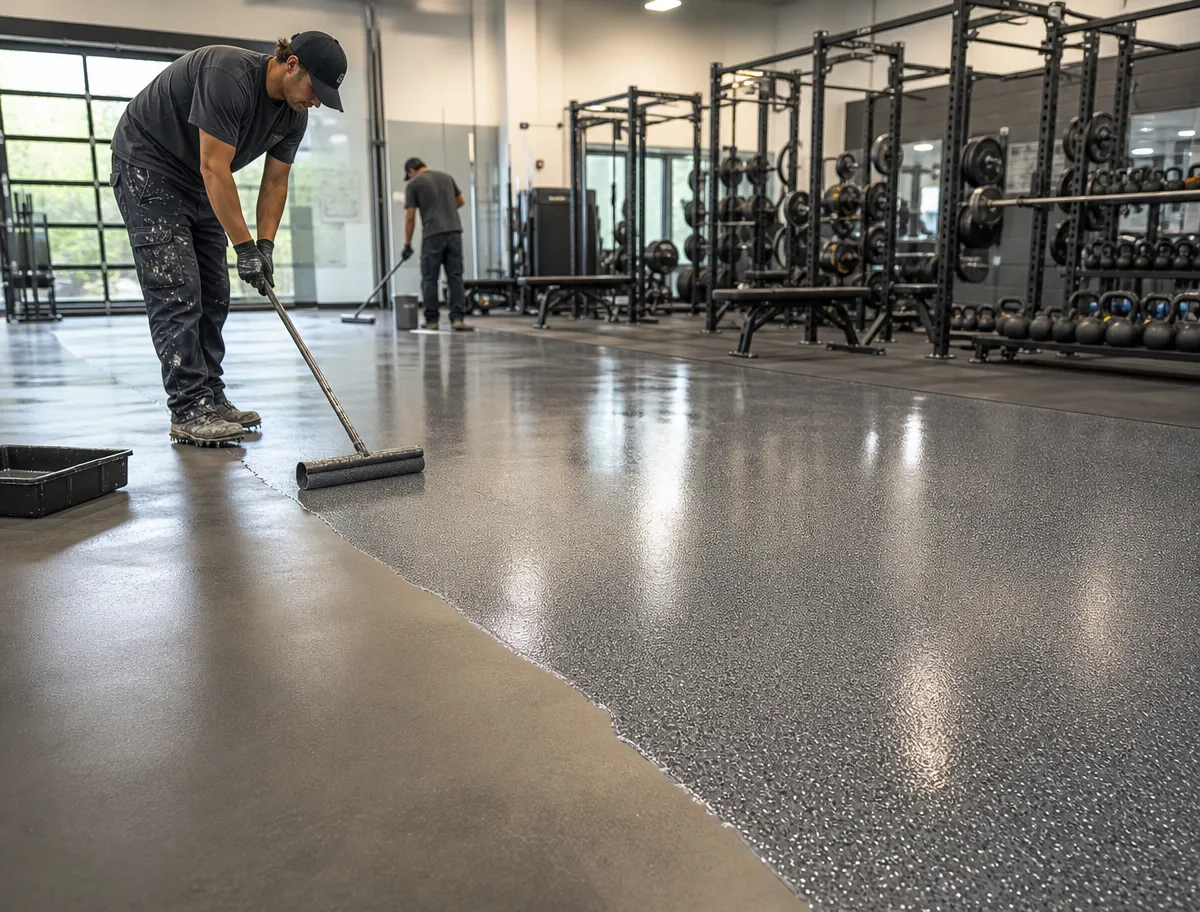
Polyaspartic floor coatings are gaining popularity for their durability and aesthetic appeal, making them a preferred choice for both residential and commercial properties. Understanding the costs associated with professional installation is crucial for homeowners and business owners alike. This article will explore the average costs of polyaspartic floor coatings, the factors influencing pricing, and additional expenses to consider. By the end, you will have a comprehensive understanding of what to budget for a professional installation, ensuring you make an informed decision. According to Mordor Intelligence’s polyaspartic coatings market analysis, demand for these coatings continues to grow across residential and commercial segments alike.
For businesses and homeowners alike, the appeal of polyaspartic coatings often lies in their ability to deliver high-quality results cost-effectively and within tight deadlines.
Average Costs
When considering polyaspartic floor coatings, it’s essential to understand the average costs involved. Material costs typically range from $7 to $12 per square foot, while labor costs can add an additional $3 to $5 per square foot. This pricing structure provides a foundational understanding of what to expect when budgeting for your project.
The rapid curing properties of polyaspartic coatings are particularly beneficial for multi-stage floor systems, contributing to a lower overall system cost per applied coating thickness.
| Cost Component | Average Price Range |
|---|---|
| Material Costs | $7 – $12 per square foot |
| Labor Costs | $3 – $5 per square foot |
These figures highlight the importance of obtaining detailed estimates from professionals to ensure accurate budgeting for your specific project.
While material costs are a significant factor, the efficiency of polyaspartic application can lead to substantial savings in labor and project downtime. Sherwin-Williams notes that polyaspartic coatings are valued for their rapid cure times and strong system performance, contributing to reduced overall installation costs. For homeowners exploring garage floor coating options, polyaspartic is often the most cost-effective long-term investment.
Factors Influencing Pricing
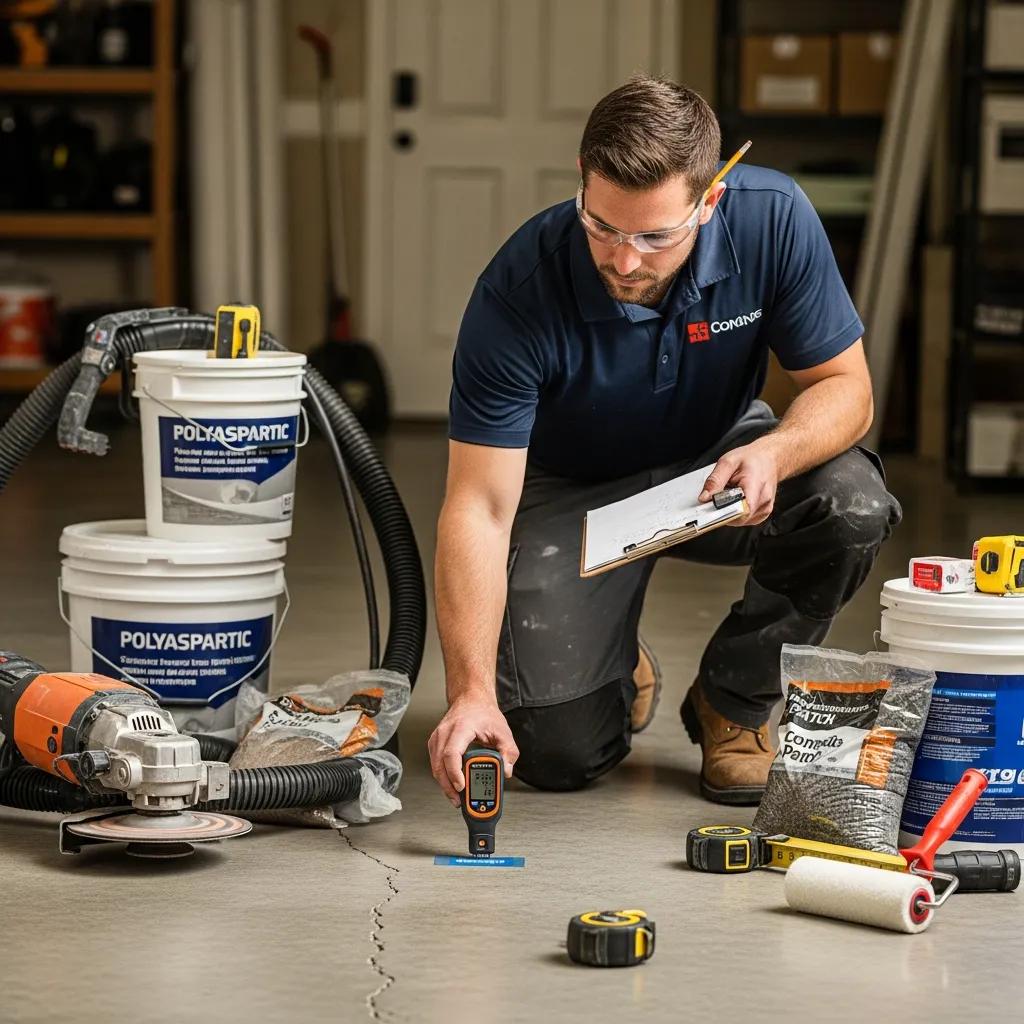
Several factors can significantly influence the pricing of polyaspartic floor coatings. Understanding these elements can help you anticipate costs and make informed decisions.
Surface Condition & Preparation
The condition of the surface being coated plays a critical role in the overall cost. If the surface has cracks or oil stains, additional preparation may be necessary, which can add significant costs. For instance, repairing cracks can cost between $1 to $3 per square foot, while treating oil stains may add $1 to $2 per square foot.
Geographic Location & Season
Geographic location and seasonal demand can also impact pricing. In urban areas, prices can be 10-20% higher than in rural locations due to increased labor and material costs. Additionally, installation during peak seasons may incur premium rates, making it essential to consider timing when planning your project.
Customization
Customization options can further increase costs. For example, custom color matching can add $0.50 to $1.00 per square foot, while decorative flake systems can increase costs by $0.50 to $1.00 per square foot. These enhancements can elevate the aesthetic appeal of your flooring but should be factored into your overall budget.
Additional Expenses
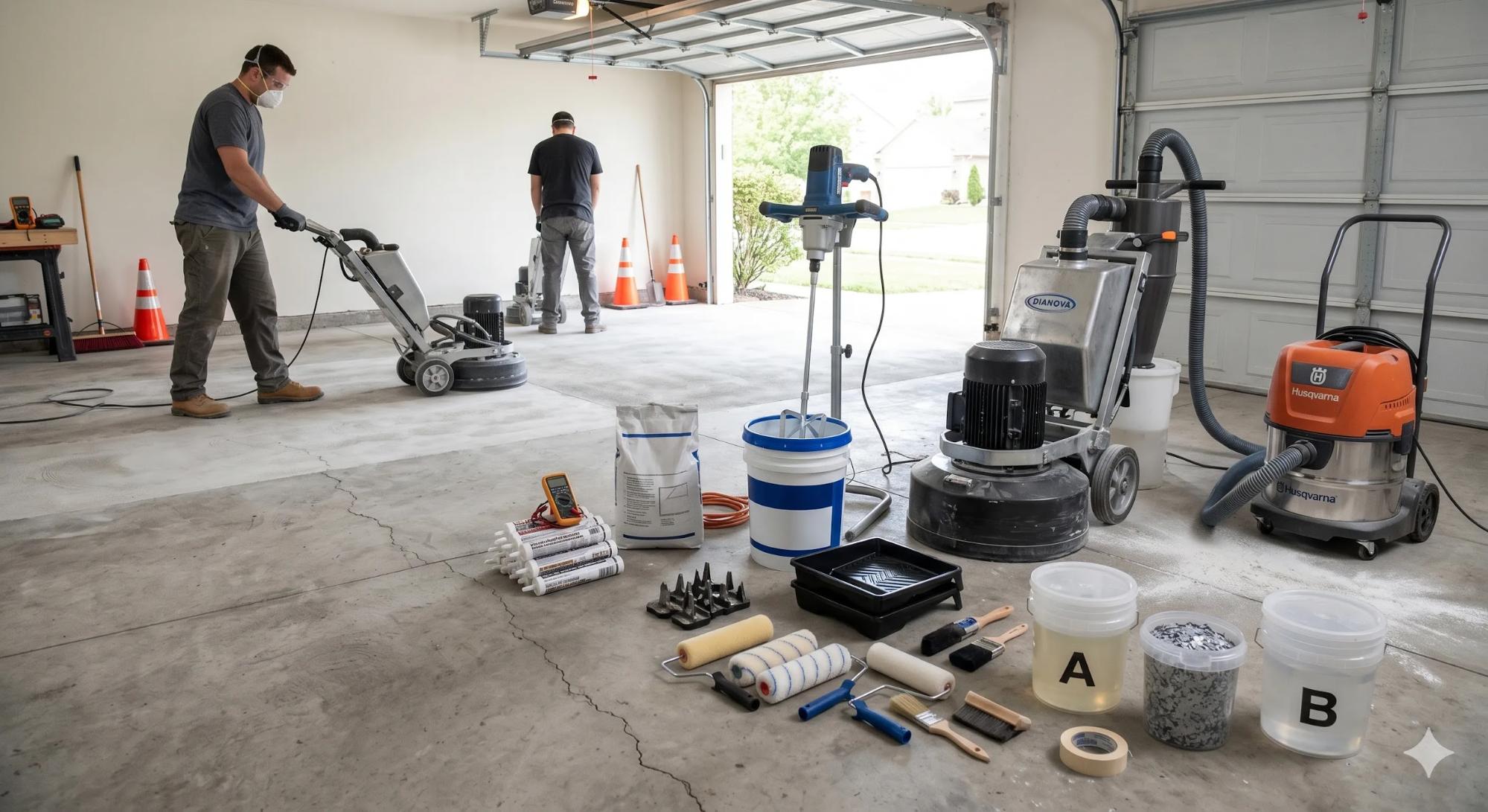
In addition to the primary costs of materials and labor, there are other expenses to consider when budgeting for polyaspartic floor coatings.
- Moisture Testing: This crucial step can cost between $50 to $200, depending on the complexity of the testing required.
- Routine Maintenance: While polyaspartic coatings require minimal maintenance, budgeting for routine cleaning and upkeep is advisable to ensure longevity and performance.
These additional expenses can add up, so it’s important to account for them in your overall budget.
Get Cost Estimates on Polyaspartic Floor Coatings for Specialty Concrete Coatings
In summary, budgeting for a polyaspartic floor coating installation involves understanding the average costs, factors influencing pricing, and additional expenses. By considering these elements, you can create a comprehensive budget that reflects the true cost of your project. For a more accurate estimate, it is advisable to consult with professionals who specialize in polyaspartic coatings, such as Specialty Concrete Coatings LLC, a regional provider known for their expertise in durable and aesthetic concrete surface solutions. Request a free quote today to get started on your project. You can also explore our professional garage concrete coating services to see how polyaspartic can transform your space.
Frequently Asked Questions
1. What are the benefits of choosing polyaspartic floor coatings over other options?
Polyaspartic floor coatings offer several advantages, including rapid curing times, which allow for quicker project completion. They are highly durable, resistant to chemicals, and can withstand heavy foot traffic, making them ideal for both residential and commercial applications. Additionally, polyaspartic coatings provide a glossy finish that enhances the aesthetic appeal of any space. Their flexibility in customization options, such as color and texture, further adds to their popularity among homeowners and business owners alike.
2. How long does a polyaspartic floor coating last?
When properly installed and maintained, polyaspartic floor coatings can last anywhere from 10 to 20 years. Their durability is attributed to their resistance to wear, UV rays, and chemicals, which makes them suitable for high-traffic areas. Regular maintenance, such as cleaning and occasional re-coating, can extend the lifespan of the flooring. It’s essential to follow the manufacturer’s guidelines and consult with professionals to ensure optimal performance and longevity of the coating.
3. Can I install polyaspartic coatings myself, or should I hire a professional?
While some homeowners may consider DIY installation of polyaspartic coatings, it is generally recommended to hire a professional. The application process requires specific skills and knowledge to ensure proper surface preparation, mixing, and application techniques. Professionals have the experience to handle potential issues, such as surface imperfections and environmental conditions, which can affect the final result. Hiring an expert can also save time and ensure a high-quality finish that meets industry standards.
4. What types of surfaces can be coated with polyaspartic materials?
Polyaspartic coatings can be applied to a variety of surfaces, including concrete, wood, and metal. They are particularly effective on concrete floors, making them a popular choice for garages, basements, and commercial spaces. However, the surface must be properly prepared to ensure adhesion and performance. This may involve cleaning, repairing cracks, and treating stains. Consulting with a professional can help determine the best approach for your specific surface type.
5. Are there any environmental concerns associated with polyaspartic coatings?
Polyaspartic coatings are generally considered to be environmentally friendly due to their low volatile organic compound (VOC) emissions. This makes them a safer choice for indoor applications compared to some traditional coatings. However, it is essential to follow proper disposal methods for any leftover materials and to ensure adequate ventilation during application. Always check for certifications or eco-labels to confirm the environmental impact of the specific product you choose.
6. How do I maintain my polyaspartic floor coating?
Maintaining a polyaspartic floor coating is relatively simple. Regular cleaning with a mild detergent and water is usually sufficient to keep the surface looking its best. Avoid using harsh chemicals or abrasive cleaners, as these can damage the coating. Additionally, it’s advisable to periodically inspect the floor for any signs of wear or damage and address them promptly. Routine maintenance can help prolong the life of the coating and maintain its aesthetic appeal.
7. What should I consider when choosing a color or finish for my polyaspartic coating?
When selecting a color or finish for your polyaspartic coating, consider the overall design and purpose of the space. Lighter colors can make a room feel more spacious and bright, while darker shades may add warmth and sophistication. Additionally, think about the level of maintenance required; lighter colors may show dirt more easily. Custom finishes, such as decorative flakes, can enhance the visual appeal but may also affect the cost. Consulting with a professional can help you make an informed choice that aligns with your vision.