When choosing a garage floor coating, quick answers can help guide your decision:
- Durability: Polyaspartic coatings last longer (15+ years) and resist UV damage better than epoxy (5-10 years).
- Cost: Polyaspartic costs more upfront ($3-$7/sq. ft.) but offers better long-term value; epoxy is cheaper initially ($2-$5/sq. ft.) but may require more maintenance.
- Application: Polyaspartic cures in about 24 hours, allowing fast use; epoxy takes several days to fully cure.
- Maintenance: Polyaspartic needs minimal upkeep; epoxy requires resealing every few years.
- Climate Suitability: Polyaspartic performs better in fluctuating temperatures and high humidity, ideal for NW Pennsylvania and Greater Pittsburgh.
Both coatings have unique benefits, but understanding these key points will help you decide which is worth your investment.
Homeowners in NW Pennsylvania and Greater Pittsburgh can rely on Specialty Concrete Coatings LLC for expert advice and free quotes tailored to local conditions.
Comparison of Polyaspartic and Epoxy Garage Floor Coatings
Choosing between polyaspartic and epoxy garage floor coatings involves understanding their distinct characteristics. Each type of coating has its own set of benefits and drawbacks, making it essential to evaluate them based on your specific needs. This section will delve into the critical factors that differentiate these two popular options.
Durability
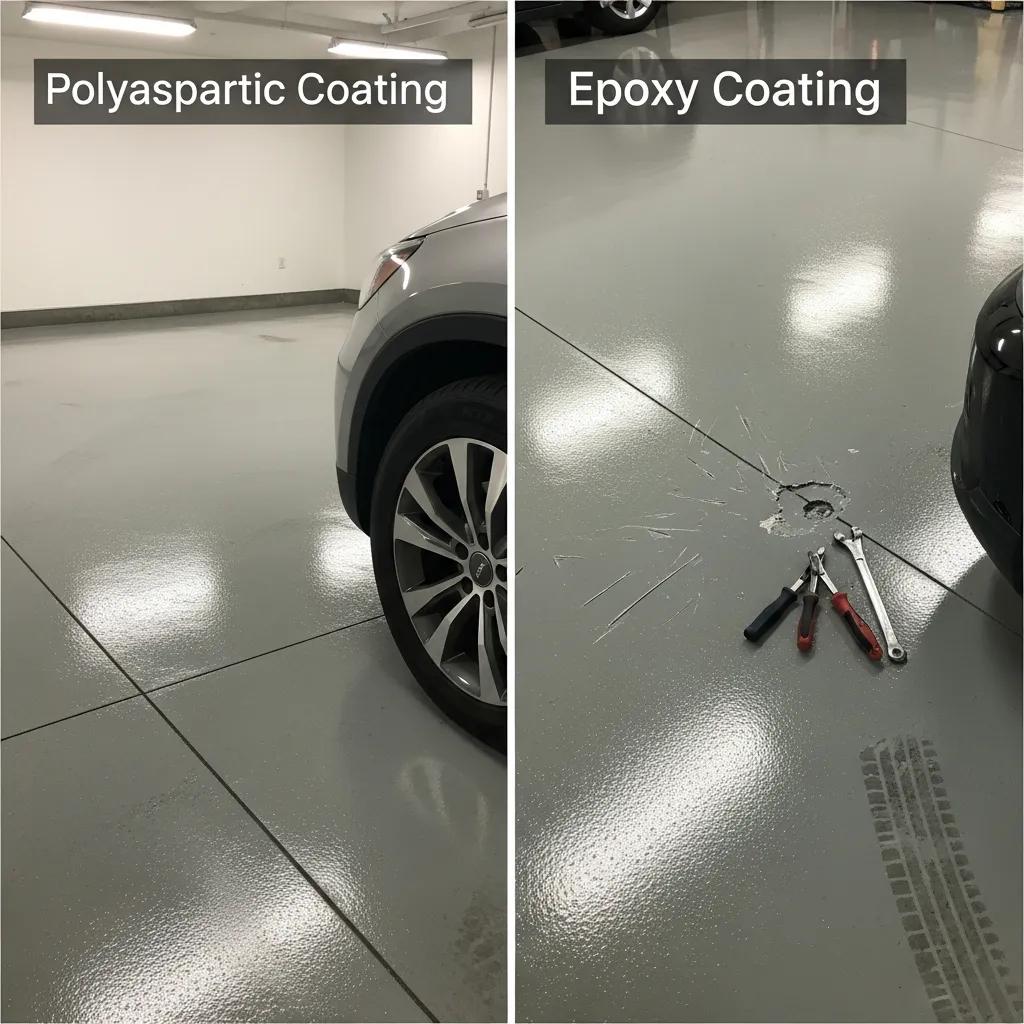
Durability is a primary concern for homeowners when selecting a garage floor coating. Polyaspartic coatings are known for their exceptional resilience, often lasting longer than epoxy coatings. They can withstand heavy traffic, resist abrasions, and are less prone to chipping or cracking. In contrast, epoxy coatings, while durable, may not hold up as well under extreme conditions, such as high temperatures or heavy impacts. This difference in durability can significantly affect the longevity of your garage floor, making polyaspartic a more reliable choice for those seeking long-term performance.
Cost-Effectiveness
When considering cost-effectiveness, it’s important to evaluate both the initial investment and the long-term value of each coating. Polyaspartic coatings typically have a higher upfront cost, averaging around $3 to $7 per square foot, but they often provide better value over time due to their durability and lower maintenance needs. Epoxy coatings, on the other hand, usually range from $2 to $5 per square foot, making them a more budget-friendly option initially. However, their shorter lifespan and potential for more frequent repairs can lead to higher costs in the long run.
| Coating Type | Cost per sq. ft. | Lifespan |
|---|---|---|
| Polyaspartic | $3 – $7 | 15+ years |
| Epoxy | $2 – $5 | 5 – 10 years |
This comparison highlights the importance of considering both upfront costs and long-term savings when deciding between polyaspartic and epoxy coatings.
Application Process
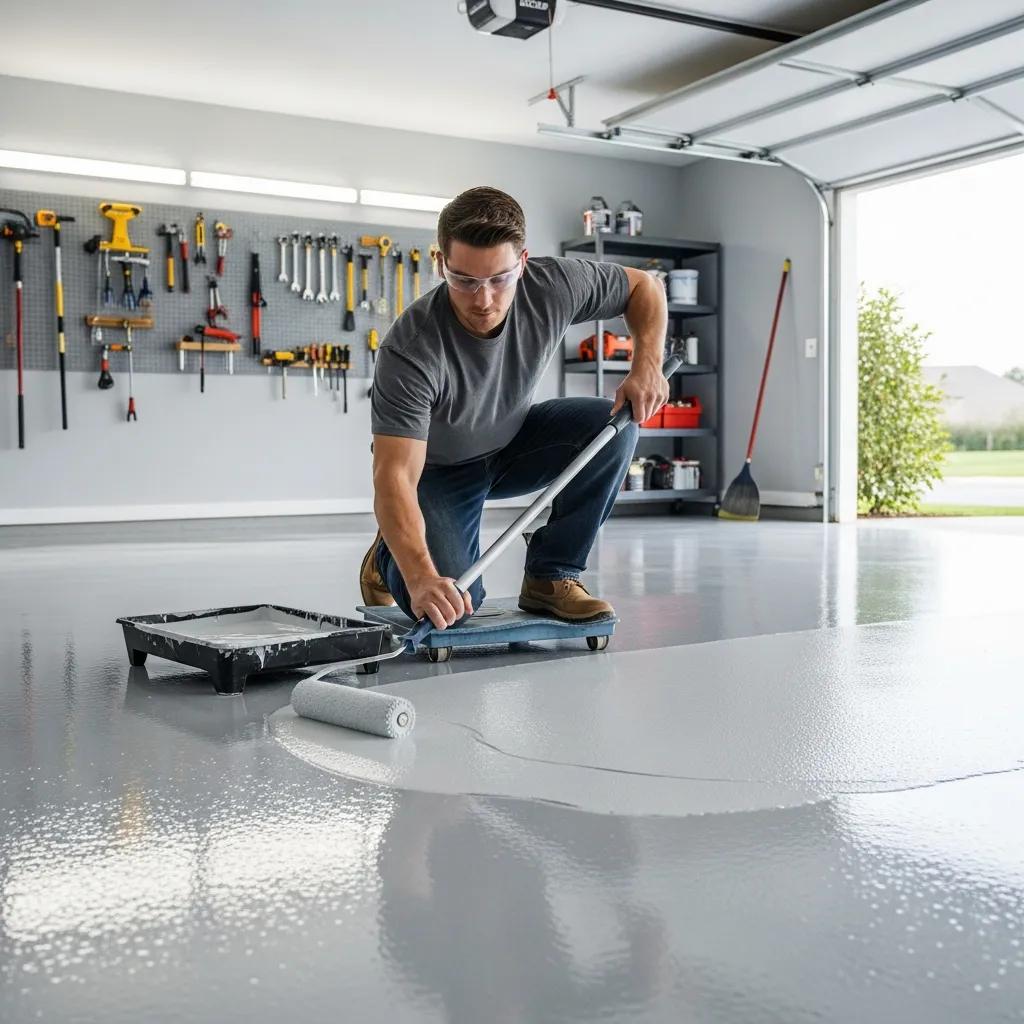
The application process for each type of coating also varies significantly. Polyaspartic coatings can be applied in a single day, with curing times as short as 24 hours, allowing for quick turnaround and minimal disruption. In contrast, epoxy coatings typically require a longer application time, often taking several days to cure fully. This difference can be a crucial factor for homeowners looking to minimize downtime during the installation process.
Maintenance Requirements
Maintenance is another critical aspect to consider when choosing a garage floor coating. Polyaspartic coatings require minimal upkeep, often only needing occasional cleaning to maintain their appearance. Epoxy coatings, while also relatively low-maintenance, may require resealing every few years to preserve their integrity and appearance. Understanding these maintenance needs can help homeowners make a more informed decision based on their lifestyle and usage patterns.
What Are the Key Differences Between Polyaspartic and Epoxy Garage Floor Coatings?
Understanding the key differences between polyaspartic and epoxy coatings can help you make an informed decision. Here are the main distinctions:
- Chemical Composition: Polyaspartic coatings are made from polyurea, while epoxy coatings are based on epoxy resins. This difference affects their performance and application.
- Curing Time: Polyaspartic coatings cure much faster than epoxy, allowing for quicker installations.
- Durability: Polyaspartic coatings generally offer superior durability and resistance to UV damage compared to epoxy.
How Do Polyaspartic and Epoxy Coatings Differ in Chemical Composition and Application?
Polyaspartic coatings utilize polyurea technology, which provides enhanced flexibility and resistance to temperature fluctuations. This makes them ideal for environments with extreme conditions. Epoxy coatings, while strong, can become brittle over time, especially in high-heat situations. The application process for polyaspartic garage floor coatings is also more straightforward, often requiring only a single coat, whereas epoxy may need multiple layers for optimal performance.
What Are the Typical Durability and UV Resistance Features of Each Coating?
Polyaspartic coatings are known for their exceptional UV resistance, preventing yellowing and degradation over time. They can last over 15 years with proper care. Epoxy coatings, while durable, may start to show signs of wear and discoloration after 5 to 10 years, particularly in areas exposed to direct sunlight.
What Are the Benefits and Limitations of Polyaspartic Garage Floor Coatings?
The benefits of polyaspartic coatings include:
- Fast Curing: Ready for use within 24 hours.
- High Durability: Excellent resistance to wear and tear.
- UV Stability: Maintains color and integrity over time.
However, they can be more expensive upfront compared to epoxy coatings, which may deter some homeowners.
Why Is Polyaspartic Coating Preferred for Quick Curing and Commercial Use?
Polyaspartic coatings are often preferred in commercial settings due to their rapid curing times and ability to withstand heavy traffic. Businesses can minimize downtime and quickly return to normal operations, making polyaspartic a practical choice for commercial applications.
Even with the rise of fast-curing polyaspartic options, epoxy still maintains a presence in various applications, including commercial and retail spaces.
What Are the Cost Considerations and Warranty Options for Polyaspartic Coatings?
When considering polyaspartic coatings, it’s essential to factor in the initial cost, which can be higher than epoxy. However, many manufacturers offer warranties of 10 years or more, reflecting the confidence in their durability. This long-term assurance can provide peace of mind for homeowners and business owners alike.
How Does Epoxy Garage Floor Coating Perform in Terms of Durability and Maintenance?
Epoxy coatings are durable but may require more maintenance over time. They can withstand moderate impacts and resist stains, but their lifespan is generally shorter than that of polyaspartic coatings.
What Are the Typical Lifespan and Chemical Resistance of Epoxy Coatings?
Epoxy coatings typically last between 5 to 10 years, depending on usage and environmental conditions. They offer good chemical resistance, making them suitable for garages where spills from automotive fluids are common. However, they may not perform as well under extreme conditions compared to polyaspartic options.
How Should Homeowners Maintain Epoxy Garage Floors for Long-Lasting Results?
To ensure the longevity of epoxy garage floors, homeowners should:
- Regularly Clean: Use mild detergents and avoid harsh chemicals.
- Reseal Periodically: Reseal every 3-5 years to protect the surface.
- Address Spills Promptly: Clean up spills immediately to prevent staining.
By following these maintenance tips, homeowners can extend the life of their epoxy coatings and keep their garage floors looking great.
Which Garage Floor Coating Is Best for Your Needs in NW Pennsylvania and Greater Pittsburgh?
Choosing the right garage floor coating depends on various factors, including climate, usage patterns, and personal preferences. In NW Pennsylvania and Greater Pittsburgh, where weather conditions can vary significantly, polyaspartic coatings may offer better performance due to their UV stability and quick curing times.
How Do Climate and Usage Patterns Affect Coating Performance Locally?
In regions with fluctuating temperatures and high humidity, polyaspartic coatings can provide superior protection against moisture and temperature changes. Homeowners should consider their local climate when selecting a coating to ensure optimal performance and longevity.
What Should Homeowners and Commercial Clients Consider When Choosing Between Polyaspartic and Epoxy?
When deciding between polyaspartic and epoxy coatings, homeowners and commercial clients should evaluate:
- Budget: Consider both initial costs and long-term value.
- Durability Needs: Assess the expected wear and tear on the floor.
- Application Time: Determine how quickly the space needs to be usable.
By weighing these factors, clients can make a more informed decision that aligns with their specific needs and circumstances.
Conclusion
In summary, both polyaspartic and epoxy garage floor coatings offer unique benefits that cater to different needs. Polyaspartic coatings excel in durability and quick application, making them a worthwhile investment for those seeking long-lasting performance. Epoxy coatings, while more affordable initially, may not provide the same level of durability and could lead to higher long-term costs. For homeowners in NW Pennsylvania and Greater Pittsburgh, Specialty Concrete Coatings LLC offers expert consultations and free quotes to help you choose the best coating for your garage.
Frequently Asked Questions
1. What are the environmental impacts of polyaspartic and epoxy coatings?
Both polyaspartic and epoxy coatings have environmental considerations. Polyaspartic coatings typically have lower volatile organic compounds (VOCs), making them a more eco-friendly option. In contrast, traditional epoxy coatings can emit higher VOC levels during application, which may contribute to air pollution. However, advancements in waterborne epoxy formulations are reducing their environmental footprint. Homeowners should consider the environmental impact of their chosen coating, especially if they are concerned about indoor air quality and sustainability.
2. Can polyaspartic coatings be applied in cold weather?
Yes, polyaspartic coatings can be applied in colder temperatures, which is one of their significant advantages. Unlike epoxy, which requires specific temperature conditions for optimal curing, polyaspartic coatings maintain their performance even in lower temperatures. This flexibility makes them suitable for regions with fluctuating climates, allowing homeowners to complete their garage floor projects year-round without worrying about weather constraints.
3. How do polyaspartic and epoxy coatings compare in terms of slip resistance?
Slip resistance is an important factor for garage floor coatings. Polyaspartic coatings can be formulated with additives to enhance their slip resistance, making them a safer choice in wet conditions. Epoxy coatings can also be made slip-resistant, but they may require additional texture additives during application. Homeowners should consider their specific needs and the potential for moisture in their garages when selecting a coating to ensure safety and functionality.
4. What is the best way to prepare a concrete floor before applying a coating?
Proper surface preparation is crucial for the longevity of any garage floor coating. The concrete should be thoroughly cleaned to remove dirt, oil, and grease. This may involve pressure washing and using a degreaser. Additionally, any cracks or imperfections should be repaired to create a smooth surface. Finally, etching the concrete can help improve adhesion. Per ICRI Guideline No. 310.2R, following proper surface profiles ensures the coating adheres correctly and performs optimally over time.
5. Are there any color options available for polyaspartic and epoxy coatings?
Yes, both polyaspartic and epoxy coatings come in a variety of colors and finishes. Polyaspartic coatings often offer a wider range of vibrant colors and can be customized with decorative flakes or quartz for added aesthetics. Epoxy coatings also provide color options, but they may be more limited compared to polyaspartic. Homeowners can choose colors that match their personal style or complement their garage’s overall design, enhancing the space’s visual appeal.
6. How do I know if my garage floor needs a new coating?
Signs that your garage floor may need a new coating include visible wear and tear, such as cracks, peeling, or discoloration. If you notice stains that are difficult to clean or if the surface feels rough or uneven, it may be time for a new coating. Additionally, if the existing coating is more than five years old and showing signs of deterioration, consider reapplying a new layer to maintain the floor’s integrity and appearance.
7. Can I apply a new coating over an existing epoxy or polyaspartic floor?
Yes, you can apply a new coating over an existing epoxy or polyaspartic floor, but proper preparation is essential. The surface must be thoroughly cleaned and scuffed to ensure good adhesion. If the existing coating is damaged or peeling, it should be removed before applying a new layer. Consulting with a professional can help determine the best approach for your specific situation, ensuring a successful application and long-lasting results.