Choosing the best garage floor coating in 2026 depends on understanding the unique benefits and characteristics of epoxy, polyaspartic, and polyurea coatings. Epoxy coatings are known for their strong adhesion, chemical resistance, and glossy finish, making them a durable and cost-effective choice for garages with heavy use. Polyaspartic coatings cure quickly, offer excellent UV resistance, and provide flexibility to prevent cracking, ideal for garages exposed to sunlight or requiring fast installation. Polyurea coatings stand out for their rapid curing times, exceptional flexibility, and high resistance to abrasion and impact, making them perfect for those seeking a long-lasting surface with minimal downtime. By comparing durability, application methods, and cost-effectiveness, you can select the coating that best fits your garage flooring needs and budget. This article will guide you through these key factors, helping you make an informed decision for your garage floor project.
Durability
Durability is a critical factor when selecting a garage floor coating, as it directly impacts the longevity and performance of the surface. Epoxy, polyaspartic, and polyurea coatings each have unique characteristics that contribute to their durability. Epoxy coatings are known for their strong adhesion and resistance to wear, making them suitable for high-traffic areas. Polyaspartic coatings offer excellent UV resistance and can withstand extreme temperatures, while polyurea coatings provide rapid curing times and exceptional flexibility. Understanding these differences can help you choose the right coating for your garage.
What Are the Key Benefits of Epoxy, Polyaspartic, and Polyurea Garage Floor Coatings?
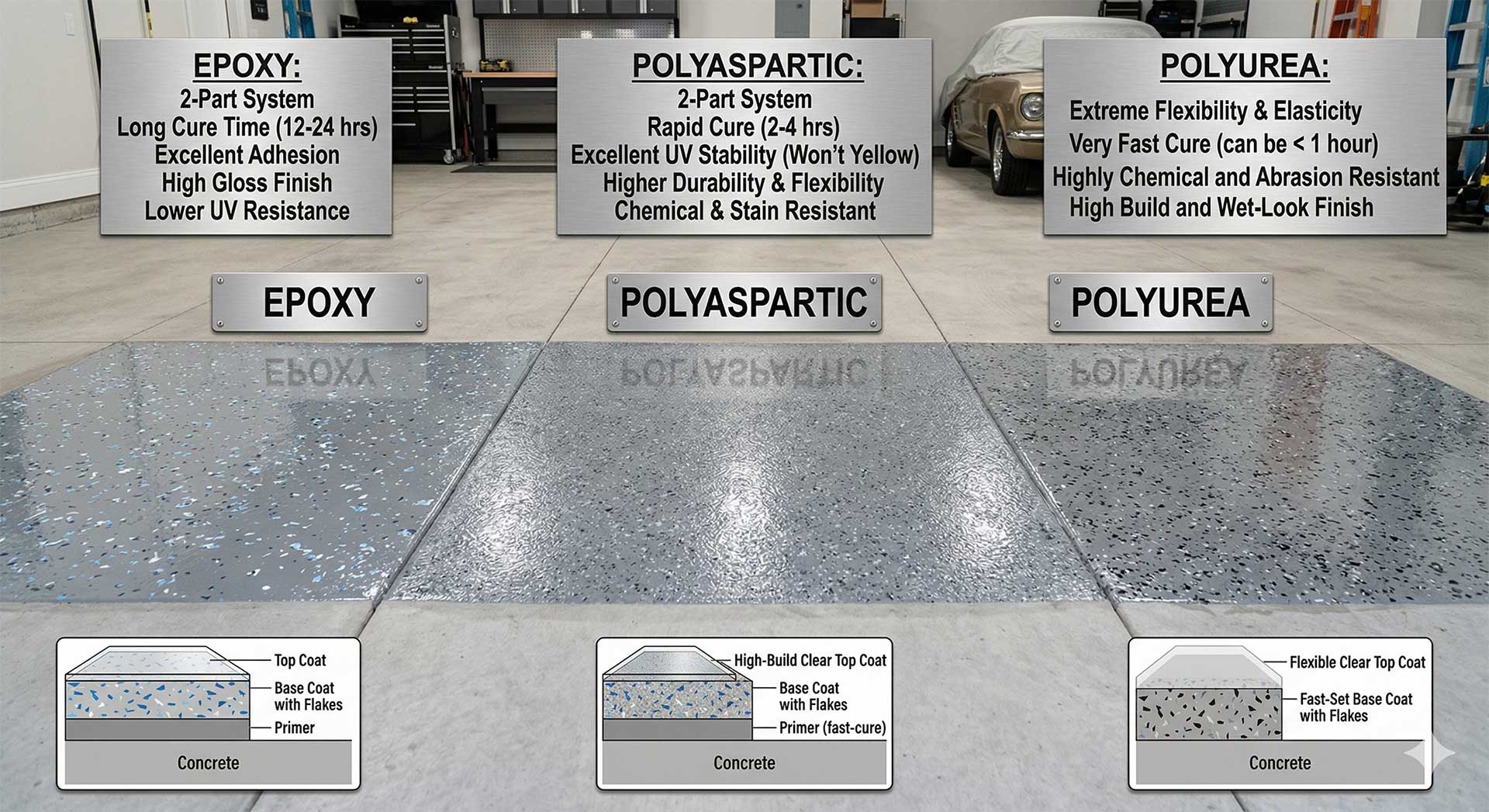
Each type of garage floor coating comes with its own set of benefits:
- Epoxy Coatings: Known for their durability and resistance to chemicals, epoxy coatings are ideal for garages that experience heavy use. They also provide a glossy finish that enhances the overall appearance of the floor.
- Polyaspartic Coatings: These coatings cure quickly and are highly resistant to UV rays, making them perfect for garages with windows or those exposed to sunlight. Their flexibility also helps prevent cracking.
- Polyurea Coatings: Offering the fastest curing times, polyurea coatings are ideal for those looking for a quick installation. They are also highly resistant to abrasion and impact, ensuring a long-lasting surface.
How Does Epoxy Coating Enhance Garage Floor Durability and Appearance?
Epoxy coatings enhance garage floor durability by creating a strong bond with the concrete surface, which helps resist wear and tear from heavy foot traffic and vehicle use. The glossy finish not only improves the aesthetic appeal of the garage but also makes cleaning easier, as spills and stains can be wiped away more easily. Additionally, epoxy’s resistance to chemicals protects the floor from oil and other automotive fluids, further extending its lifespan.
What Advantages Do Polyaspartic Coatings Offer for Fast Curing and UV Resistance?
Polyaspartic coatings are particularly advantageous for their fast curing times, allowing for quick project completion. This is especially beneficial for businesses or homeowners who need to minimize downtime. Furthermore, their excellent UV resistance prevents fading and discoloration, making them ideal for garages that receive direct sunlight. This combination of speed and durability makes polyaspartic coatings a popular choice for many.
Advantages and Disadvantages
Application Methods
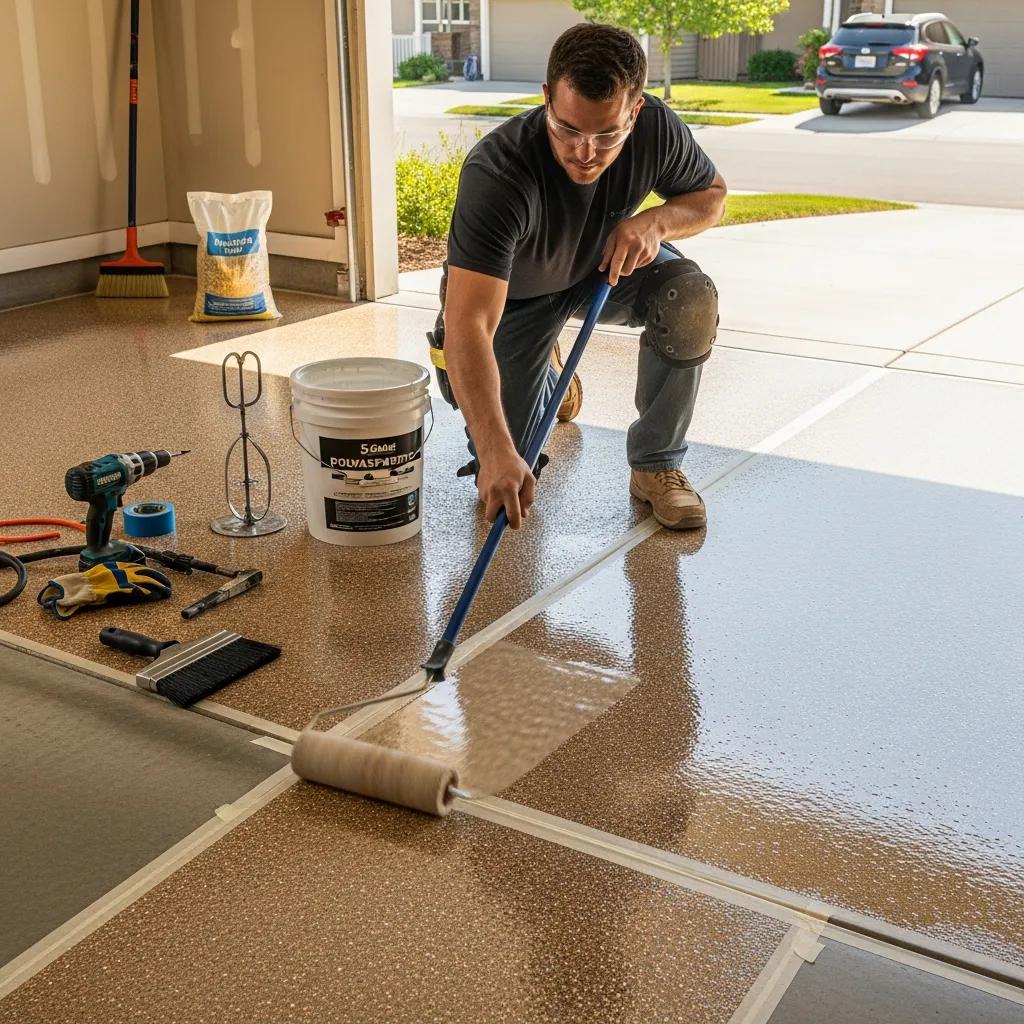
The application methods for garage floor coatings can vary significantly between epoxy, polyaspartic, and polyurea. Understanding these methods is essential for achieving the best results.
- Epoxy Application: Typically involves a multi-step process that includes surface preparation, primer application, and multiple coats of epoxy. Curing times can range from 24 to 72 hours, depending on environmental conditions.
- Polyaspartic Application: This method is generally quicker for garage floor installation, with some products allowing for same-day application and curing. The surface must be properly prepared, but the overall process is less time-consuming than epoxy.
- Polyurea Application: Known for its rapid curing properties, polyurea can be applied in a single day. This method requires careful surface preparation to ensure proper adhesion.
How Do Epoxy, Polyaspartic, and Polyurea Coatings Compare in Cost and Installation for 2026?
When comparing the cost and installation of these coatings, it’s essential to consider both the initial investment and the long-term benefits. Epoxy coatings are generally the least expensive upfront, but their shorter lifespan may lead to higher costs over time due to the need for replacement. Polyaspartic and polyurea coatings, while more expensive initially, offer longer lifespans and lower maintenance costs, making them more cost-effective in the long run.
Cost-Effectiveness
When considering garage floor coatings, cost-effectiveness is a vital aspect. The initial investment can vary based on the type of coating and the complexity of the application process.
| Coating Type | Cost per Square Foot | Lifespan |
|---|---|---|
| Epoxy Floor Coating | $3 – $12 | 5 – 10 years |
| Polyaspartic Floor Coating | $5 – $15 | 10 – 20 years |
| Polyurea Floor Coating | $6 – $14 | 10 – 20 years |
Epoxy coatings tend to be the most affordable option initially, but polyaspartic and polyurea coatings may offer better long-term value due to their extended lifespans and lower maintenance needs.
What Is the Typical Cost Range for Garage Floor Coatings in NW Pennsylvania and Greater Pittsburgh?
In NW Pennsylvania and Greater Pittsburgh, the typical cost range for garage floor coatings varies based on the type of coating and the complexity of the installation. Homeowners can expect to pay between $3 to $15 per square foot, depending on whether they choose epoxy, polyaspartic, or polyurea coatings. Specialty Concrete Coatings LLC provides free quotes to help you understand the costs associated with your specific project.
How Does Local Expertise in NW Pennsylvania Benefit Your Garage Floor Project?
Local expertise in NW Pennsylvania is invaluable when it comes to garage floor projects. Understanding the regional climate, soil conditions, and common challenges faced by homeowners allows Specialty Concrete Coatings LLC to provide tailored solutions that ensure optimal performance and longevity of your garage floor coating. Their familiarity with local regulations and standards also ensures that your project complies with all necessary guidelines, giving you peace of mind throughout the process.
What’s the Best Garage Floor Coating in 2026?
In summary, choosing the best garage floor coating in 2026 requires careful consideration of durability, application methods, and cost-effectiveness. Epoxy coatings are a budget-friendly option with good durability, while polyaspartic and polyurea coatings provide superior performance and longevity.
Choose Specialty Concrete Coatings for Your Garage Floor Coating Needs in 2026
At Specialty Concrete Coatings, we have the expertise and commitment to quality. With a focus on customer satisfaction, we offer a range of high-quality products and services tailored to meet the unique needs of each client. Our knowledgeable team can guide you through the selection process, ensuring you choose the best coating for your garage floor. Additionally, our local presence in NW Pennsylvania allows us to understand the specific conditions and requirements of the area, providing you with the best possible service.
Frequently Asked Questions
What factors should I consider when choosing a garage floor coating?
When selecting a garage floor coating, consider factors such as durability, application method, cost, and environmental conditions. Durability is crucial for high-traffic areas, while the application method can affect installation time and complexity. Additionally, evaluate the cost per square foot and the expected lifespan of each coating type. Environmental factors, such as exposure to UV rays or extreme temperatures, can also influence your choice, as some coatings perform better under specific conditions than others.
How long does it take for each type of coating to cure?
Curing times vary significantly among epoxy, polyaspartic, and polyurea coatings. Epoxy typically requires 24 to 72 hours to cure fully, depending on environmental conditions. Polyaspartic coatings can cure in a matter of hours, often allowing for same-day application and use. Polyurea coatings are the fastest, curing within a few hours, making them ideal for quick projects. Always follow the manufacturer’s guidelines for optimal results and to ensure the longevity of the coating.
Can I apply garage floor coatings myself, or should I hire a professional?
While some homeowners may choose to apply garage floor coatings themselves, hiring a professional is often recommended for the best results. Professionals have the experience and tools necessary for proper surface preparation, application, and curing. They can also help avoid common pitfalls that may lead to poor adhesion or uneven finishes. If you opt for a DIY approach, ensure you thoroughly research the application process and follow all manufacturer instructions for optimal results.
What maintenance is required for garage floor coatings?
Maintenance requirements for garage floor coatings depend on the type of coating used. Epoxy coatings generally require periodic cleaning with mild detergents to maintain their appearance. Polyaspartic and polyurea coatings are more resistant to stains and may require less frequent cleaning. Regular inspections for wear and tear are essential, and any damage should be addressed promptly to prevent further deterioration. Following the manufacturer’s maintenance guidelines will help extend the life of your garage floor coating.
Are there any environmental considerations when choosing a garage floor coating?
Yes, environmental considerations are important when selecting a garage floor coating. Some coatings, like epoxy, may emit volatile organic compounds (VOCs) during application, which can affect indoor air quality. Look for low-VOC or eco-friendly options, especially if your garage is attached to your home. Additionally, consider the coating’s durability and lifespan, as longer-lasting products can reduce the frequency of reapplication, minimizing waste and environmental impact over time.
What are the common mistakes to avoid when applying garage floor coatings?
Common mistakes when applying garage floor coatings include inadequate surface preparation, improper mixing of components, and neglecting environmental conditions. Failing to clean and etch the concrete surface can lead to poor adhesion. Additionally, not following the manufacturer’s mixing instructions can affect the coating’s performance. It’s also crucial to avoid applying coatings in extreme temperatures or humidity, as these conditions can hinder curing and lead to defects. Taking the time to prepare properly can ensure a successful application.