Quick Answer: Yes, you can epoxy a damp basement floor, but only after testing moisture levels and completing the right prep. Standard epoxy struggles when concrete moisture runs high, so most contractors recommend diamond grinding the slab, adding a moisture vapor barrier or primer, and in higher-moisture cases, switching to a polyurea or polyaspartic system instead of traditional epoxy. Skipping these steps risks bubbling, peeling, or early coating failure.
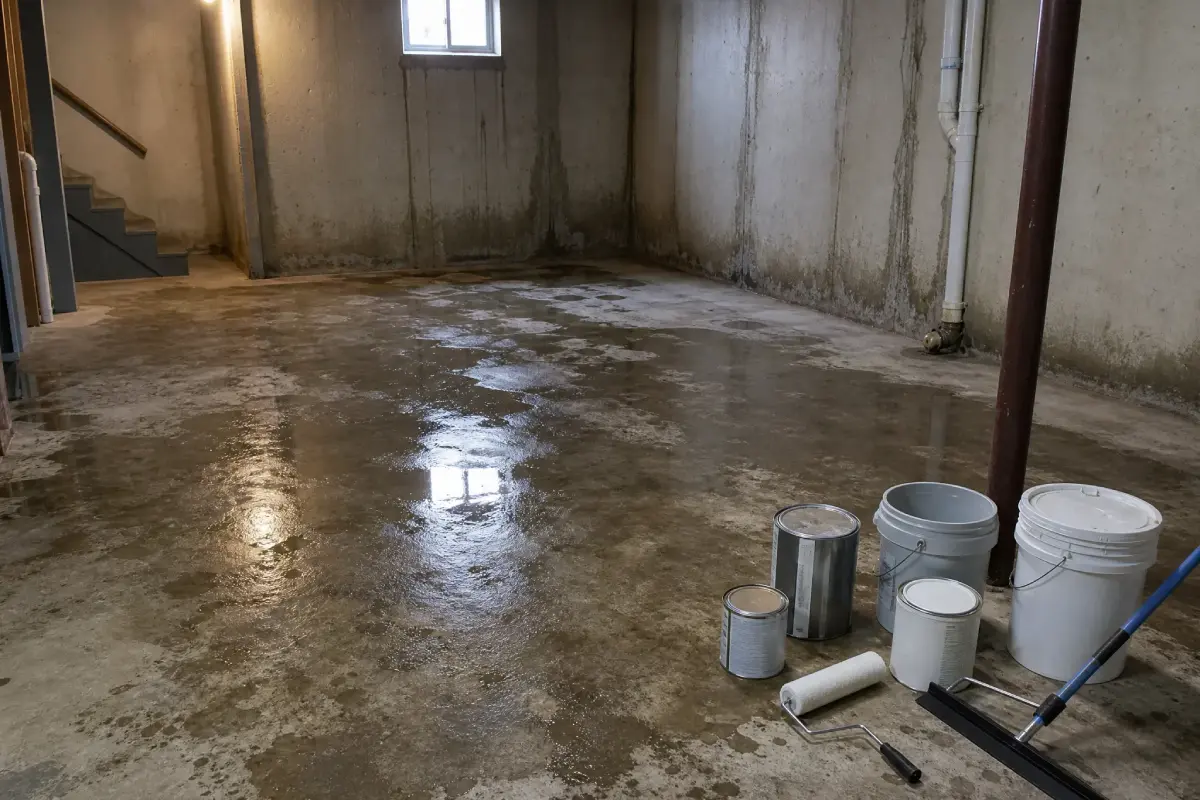
Epoxy is a durable, attractive option for basement floors, but damp conditions complicate the job. If you live in Pittsburgh, it pays to understand how moisture affects adhesion, what preparation is required, and which products and techniques improve long-term performance. This article walks you through whether epoxy is a good choice for damp basements, the steps to prepare the slab, common pitfalls, and how to manage moisture so your floor lasts.
Is It Feasible to Epoxy a Damp Basement Floor?
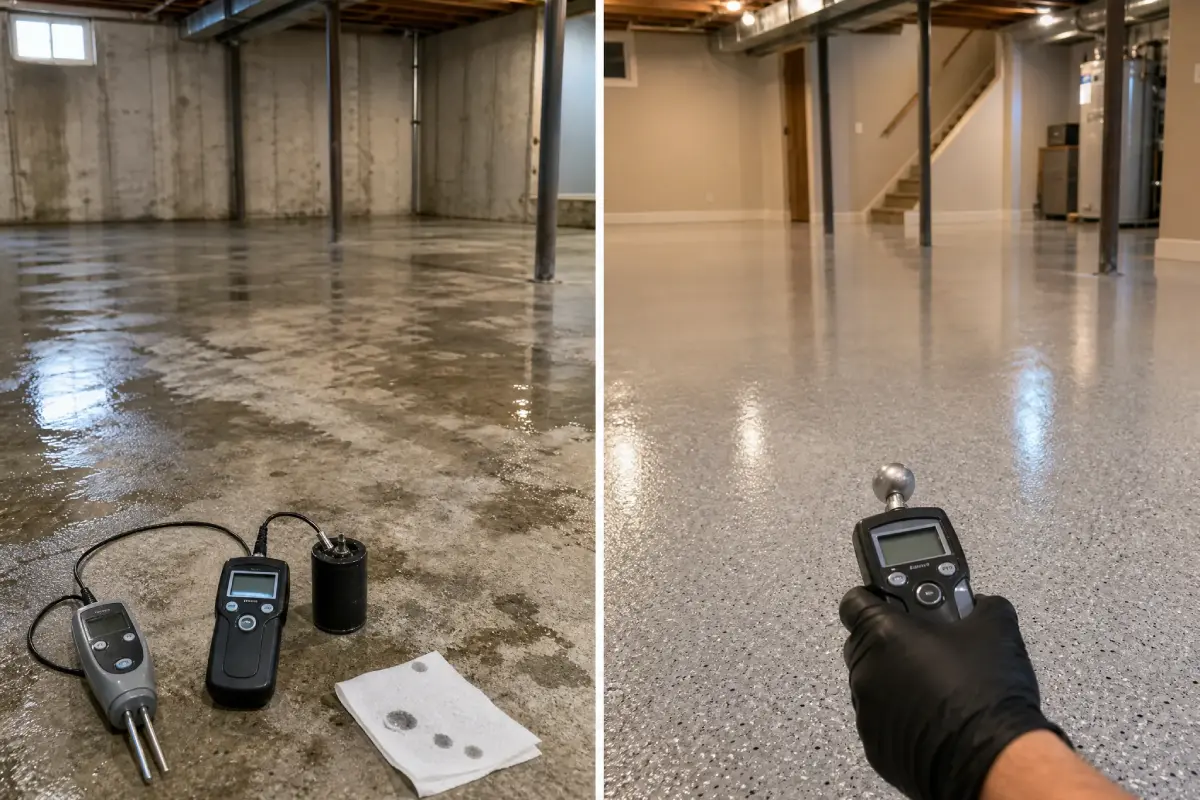
Moisture can undermine epoxy adhesion and shorten the life of a coating, so you can’t skip a moisture assessment. Pittsburgh’s humid continental climate, especially in summer and fall, often leads to basement weather-related coating challenges. Cold-season freeze-thaw cycles and salt tracked in on shoes can make things worse. Epoxy can work in some damp conditions, but only after a careful evaluation of moisture levels and the right prep work.
What Preparation Steps Are Needed Before Epoxying a Damp Basement?
Good preparation is the difference between a successful epoxy floor and a failed one. Follow these core steps:
- Conduct Moisture Testing: Measure concrete moisture before you start. The test results determine whether epoxy is appropriate or if additional remediation is needed.
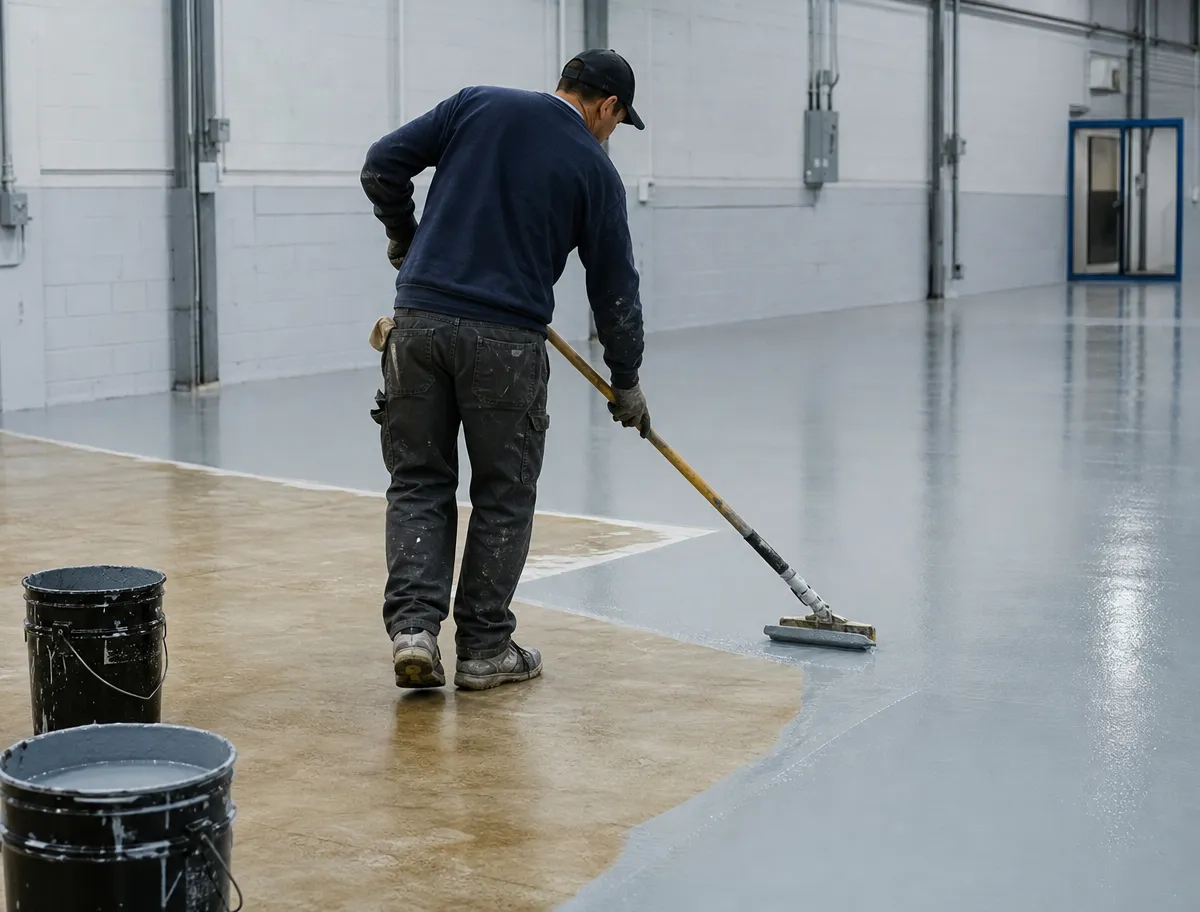
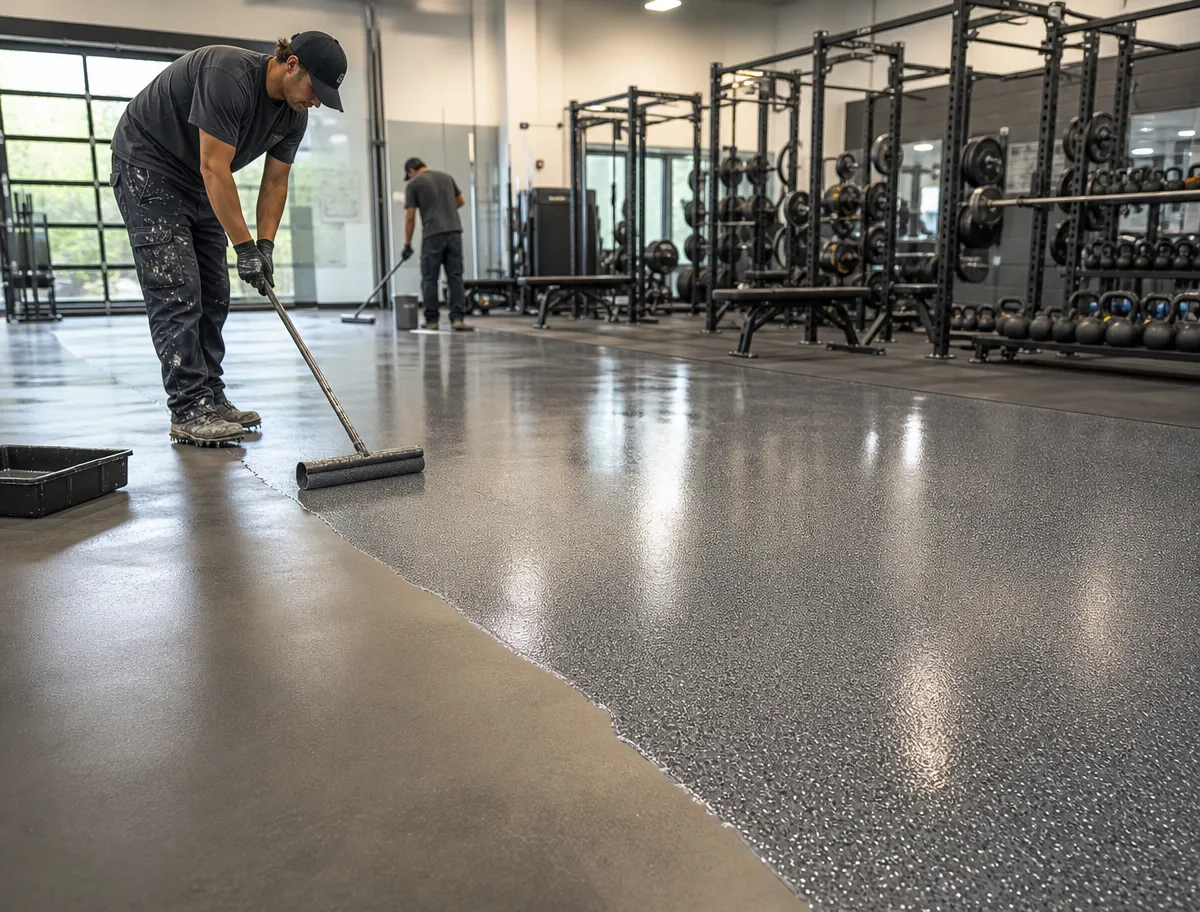
- Diamond Grind the Surface: Grinding opens the concrete’s profile so the epoxy can bond properly. It also removes weak or contaminated material.
- Consider a Moisture Vapor Barrier: A vapor barrier or moisture-control primer can prevent water vapor from breaking the bond between epoxy and slab, similar to the vapor retarder standards used under concrete slabs.
These steps aren’t optional when moisture is present, they’re essential to a durable basement floor coating.
What Basement Moisture Levels Affect Epoxy Floor Coating Suitability?
As a general rule, aim for concrete moisture under 4% for most epoxy systems. Higher readings increase the risk of adhesive failure and coating delamination.
How Does Moisture Vapor Transmission Influence Epoxy Adhesion?
Moisture vapor traveling up through the slab can cause bubbling, lifting, or blistering of the epoxy. Controlling vapor transmission with appropriate barriers or primers is often necessary to achieve a stable bond.
📞 Ready to Get Started? Don’t guess at your basement’s moisture levels. Contact Specialty Concrete Coatings LLC today for a fast, free assessment and a flooring plan built for your Pittsburgh home.
What Are the Potential Challenges of Epoxy in a Damp Basement?
Epoxy can perform well in basements, but damp environments introduce a few predictable challenges.
- Short Lifespan of Standard Epoxy: Traditional epoxy systems exposed to persistent moisture may lose adhesion and fail sooner than expected.
- Flexibility and Strength Issues: Moisture can reduce flexibility and tensile strength, which can lead to cracking and peeling under stress.
- Alternatives to Consider: In higher-moisture settings, consider moisture-tolerant systems like polyurea or polyaspartic coatings that handle vapor and movement better.
Because these issues are site-specific, consulting a local flooring professional can save time and expense down the road.
Specialty Concrete Coatings LLC focuses on epoxy and cement surface solutions for basements. We help homeowners in Pittsburgh choose the right system, prepare the slab correctly, and select materials that perform under local conditions.
Which Moisture Testing Methods Ensure Basement Floor Readiness?
These common tests help determine if the slab is ready for epoxy:
| Method | Description | Effectiveness |
|---|---|---|
| Calcium Chloride Test | Measures moisture vapor emitted from the concrete surface over a set period. | High |
| Moisture Meters | Offer immediate moisture readings within the slab surface. | Moderate |
| Relative Humidity Test | Measures the humidity level inside the concrete slab using in-slab probes. | Moderate to High |
Using one or more of these tests gives a clearer picture of the slab’s condition and the risks to an epoxy coating.
What Are the Most Effective Epoxy Coatings for Damp Basement Floors?
Certain systems and product combinations perform better where moisture is a concern:
| Product | Type | Moisture Resistance | Application Guidance |
|---|---|---|---|
| Polyurea Base Coat | Base Layer | High | Good for areas with elevated moisture and foot traffic. |
| Polyaspartic Topcoat | Protective Finish | Very High | Fast-curing top layer that adds abrasion and chemical resistance. |
| Moisture Barrier Primer | Primer for Moisture Control | Moderate to High | Use when vapor transmission could compromise adhesion. |
Choosing the right combination of base coat, primer, and topcoat improves adhesion and longevity in damp basements.
Which Maintenance Tips Prolong Epoxy Floor Lifespan in Damp Conditions?
Routine care prevents small issues from becoming big problems:
- Regular Inspections: Check the floor every few months for bubbling, discoloration, or loose areas.
- Clean Properly: Use pH-neutral cleaners and avoid harsh detergents that can degrade the finish.
- Immediate Repairs: Fix chips or peeling quickly to stop moisture from getting under the coating.
Follow these steps to keep the floor looking good and functioning well for years.
What Basement Floor Waterproofing Methods Complement Epoxy Coatings?
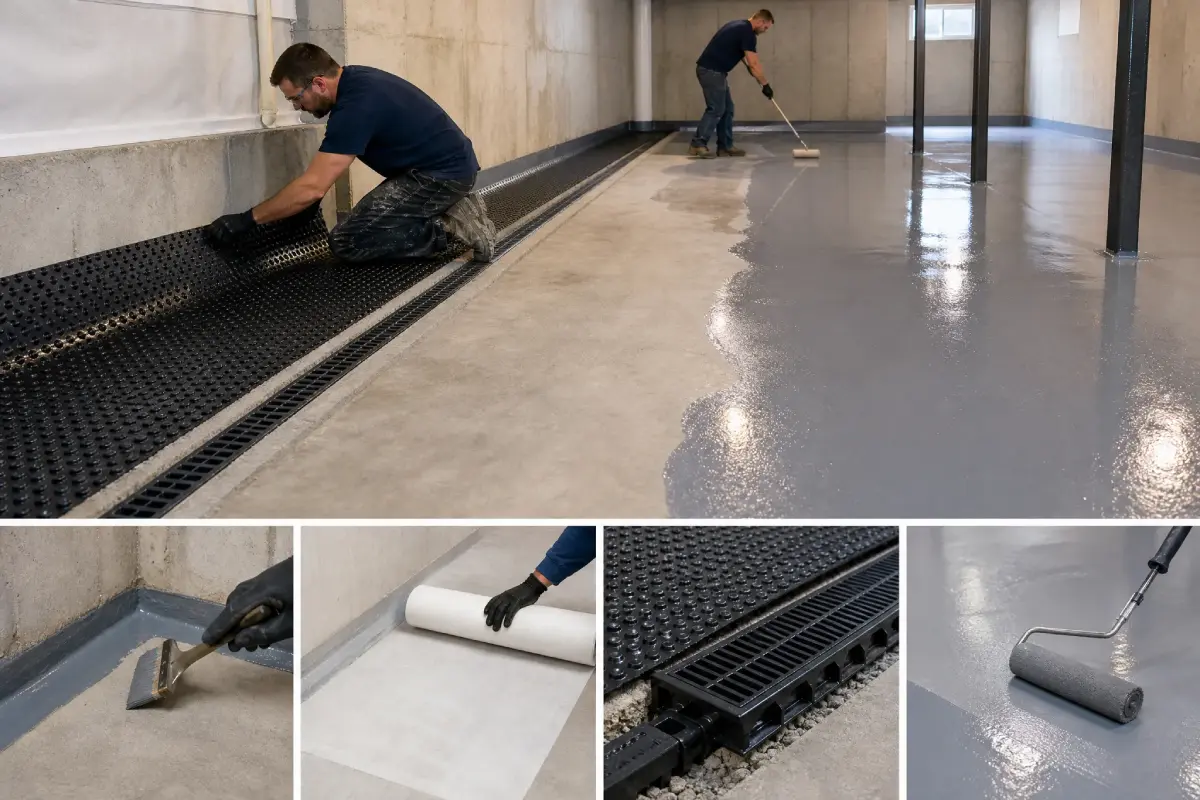
Combining waterproofing with epoxy gives a more complete defense against moisture:
- Interior Drainage Systems: Redirect water away from walls and floors to lower moisture load.
- Sealants: Apply concrete sealers and primers before coating to reduce vapor transmission through the slab.
- Sump Pumps: Properly installed sump pumps handle water intrusion and reduce overall humidity.
These strategies, paired with a proper basement waterproofing plan, create a more resilient basement environment.
Frequently Asked Questions
Can I apply epoxy over existing flooring in my basement?
Yes, but only with the right prep. The existing surface must be clean, dry, and free of oils, waxes, or loose material, and damaged sections should be repaired or removed so the epoxy can bond to a stable substrate.
What are the signs of moisture issues under an epoxy floor?
Watch for bubbling, peeling, discoloration, or a musty smell, since all can signal trapped moisture. Soft spots or loose edges are immediate red flags that moisture is compromising the bond.
Are there specific brands of epoxy recommended for damp conditions?
Some manufacturers, including Rust-Oleum and Sika, make products formulated for higher moisture tolerance. Product choice should still match your specific moisture test results and site conditions.
Can I use epoxy paint instead of an epoxy coating?
Epoxy paint is different from a full epoxy coating. Paint often lacks the thickness, adhesion, and moisture resistance of a proper epoxy system, so a true epoxy or moisture-tolerant coating is the safer choice.
What are the costs associated with epoxy flooring installation in my basement?
Costs vary with material quality, prep work, and labor. Expect a typical range of $3 to $12 per square foot depending on the system and site conditions.
TL;DR — Epoxy in Damp Basements at a Glance
- Epoxy can work on a damp basement floor, but only after moisture testing confirms levels are within an acceptable range (generally under 4%).
- Diamond grinding and a moisture vapor barrier or primer are essential prep steps for damp slabs.
- Standard epoxy struggles with persistent moisture; polyurea and polyaspartic systems handle vapor and movement better.
- Pairing epoxy with waterproofing measures like interior drainage and sump pumps improves long-term results.
- Costs typically run $3 to $12 per square foot depending on the system and site conditions.
- Next step: Contact Specialty Concrete Coatings LLC for a moisture assessment and a basement flooring plan built for your home.
Related Resources
- Basement Epoxy Flooring
- Pittsburgh, PA Concrete Coating Company
- Polyurea Concrete Coating Explained
- What Homeowners Don’t Know About Polyurea and Polyaspartic Coatings
- Best Concrete Coating Options for Your Basement Floor
Get a Free Basement Epoxy Quote
Epoxy can be a great solution for basement floors, even in damp Pittsburgh homes, provided you test for moisture, prepare the slab correctly, and use moisture-compatible products. Don’t let moisture concerns stop you. Contact Specialty Concrete Coatings LLC today for a free, no-obligation quote and a plan tailored to your basement.
About Specialty Concrete Coatings LLC: Specialty Concrete Coatings LLC specializes in epoxy, polyurea, and polyaspartic flooring solutions for basements, garages, and commercial spaces throughout the Pittsburgh region. Contact us today for a free, no-obligation quote.