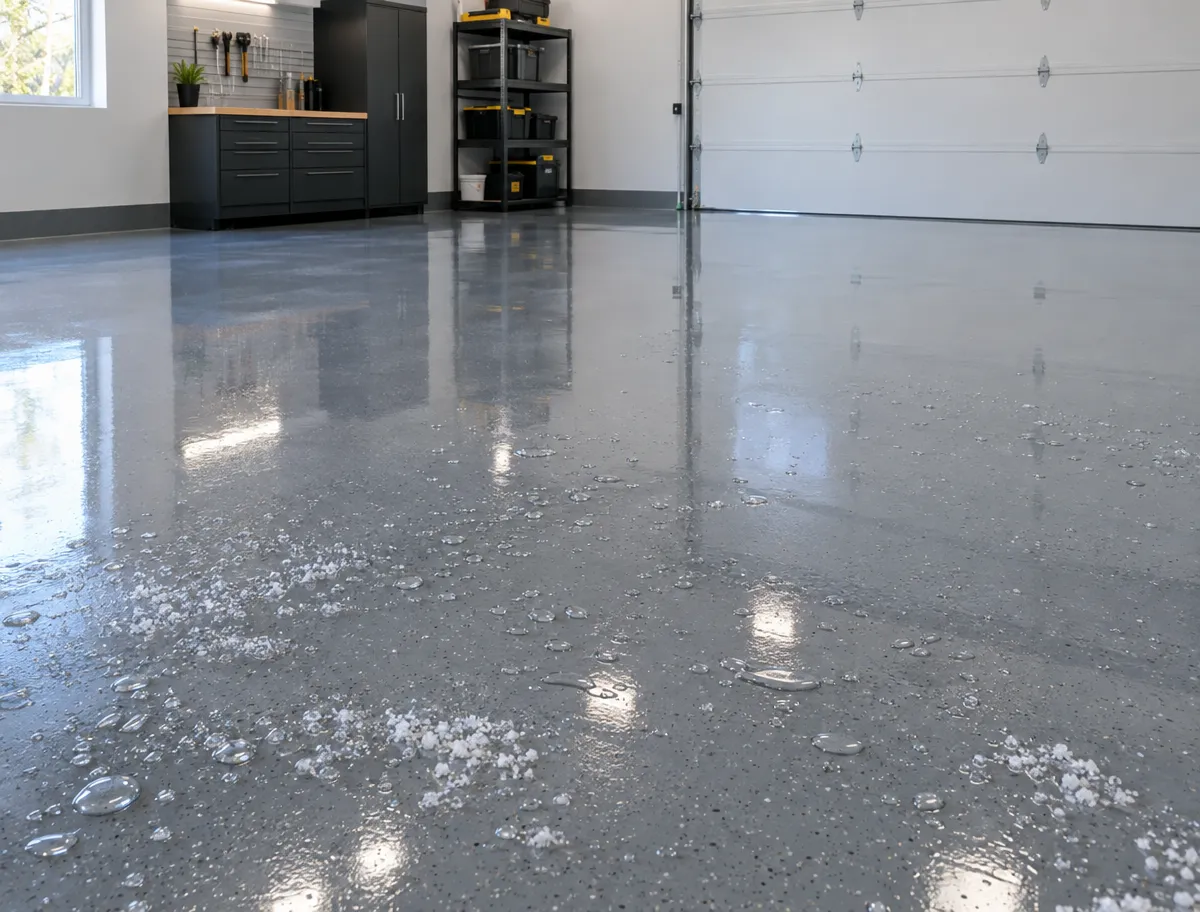
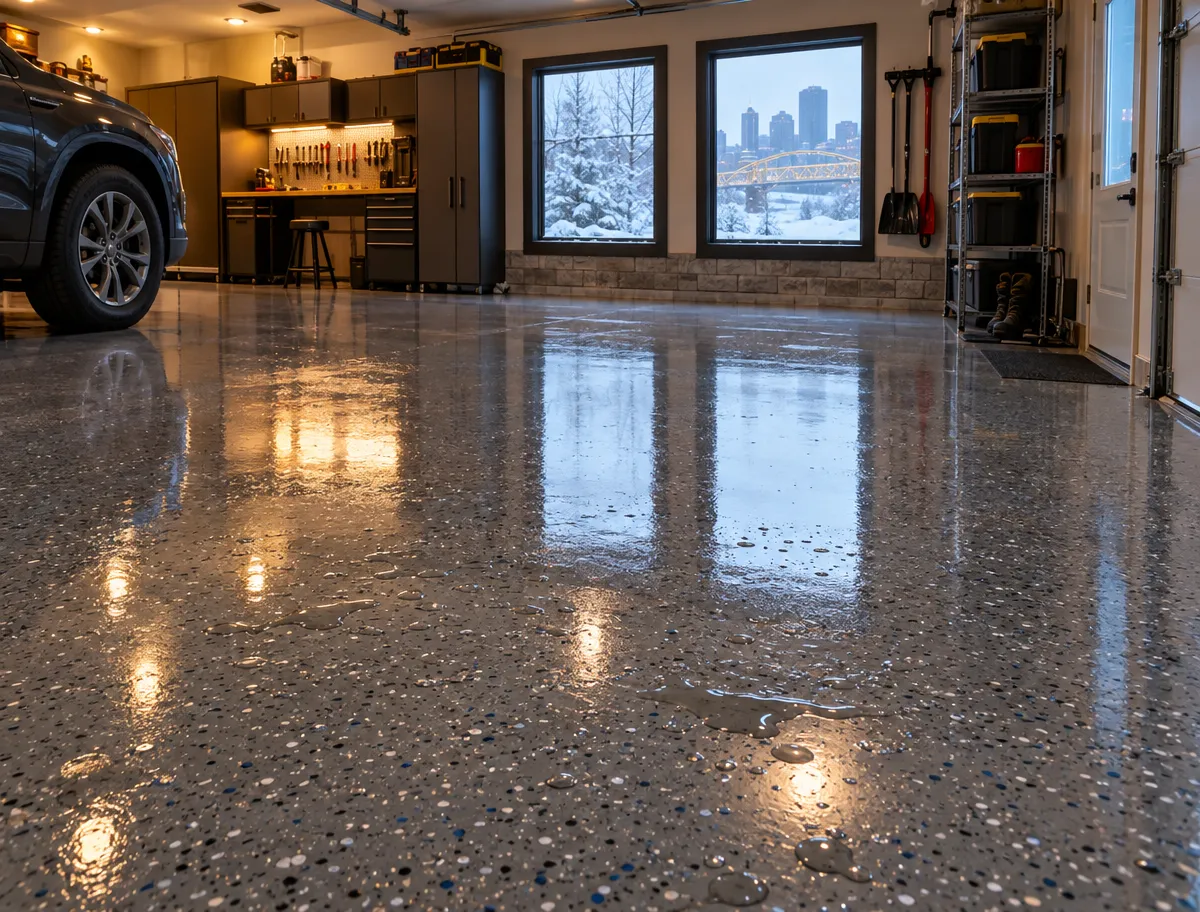
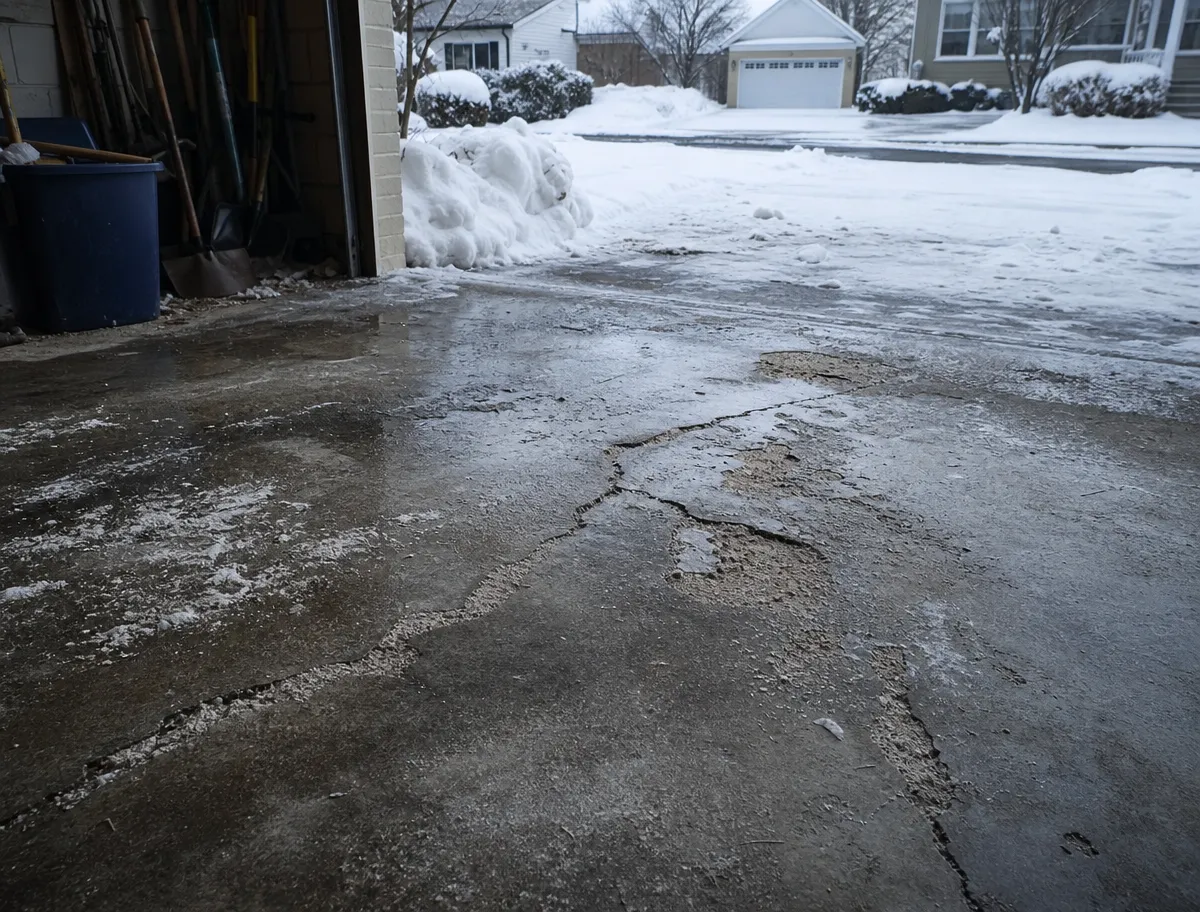
When it comes to choosing the right concrete coating for your home, understanding the differences between polyurea and epoxy is crucial. Both materials offer unique benefits and drawbacks, making them suitable for various applications. This article will provide a comprehensive comparison of polyurea and epoxy coatings, focusing on their cost, durability, advantages, and disadvantages. Homeowners often face challenges in selecting the best option for their needs, and this guide aims to clarify these choices. We will explore the key factors to consider, including the chemical properties of each coating, their respective costs, and how they perform over time. By the end of this article, you will have a clearer understanding of which coating might be the best fit for your home.
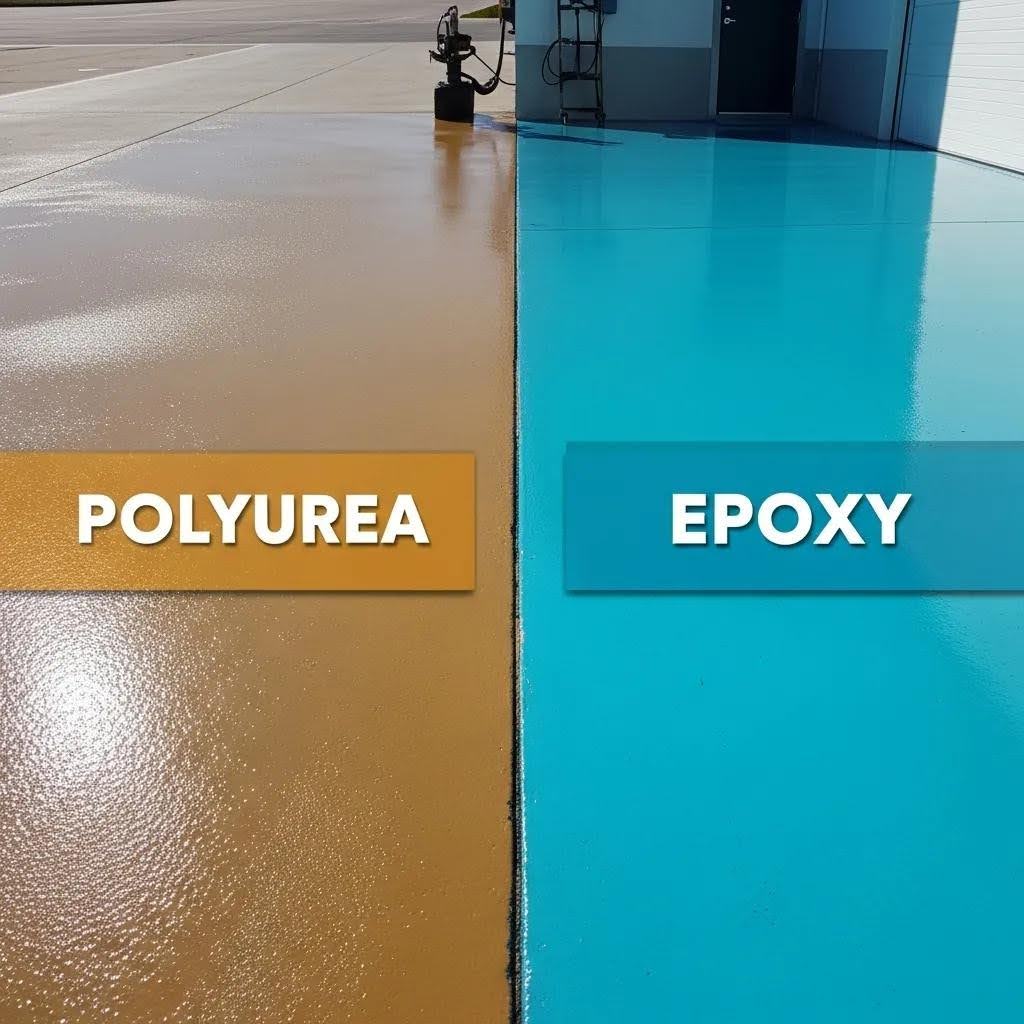
Comparison of Polyurea and Epoxy Concrete Coatings for Homeowners
Polyurea and epoxy coatings are both popular choices for protecting and enhancing concrete surfaces. Polyurea is a type of elastomer that is known for its rapid curing time and flexibility, making it ideal for areas that experience temperature fluctuations. In contrast, epoxy is a thermosetting polymer that provides a hard, durable finish, often used in commercial and industrial settings. Understanding these differences is essential for homeowners looking to make an informed decision about their concrete coating options.
Cost:
When considering the cost of concrete coatings, both polyurea and epoxy have different price ranges that can influence your decision.
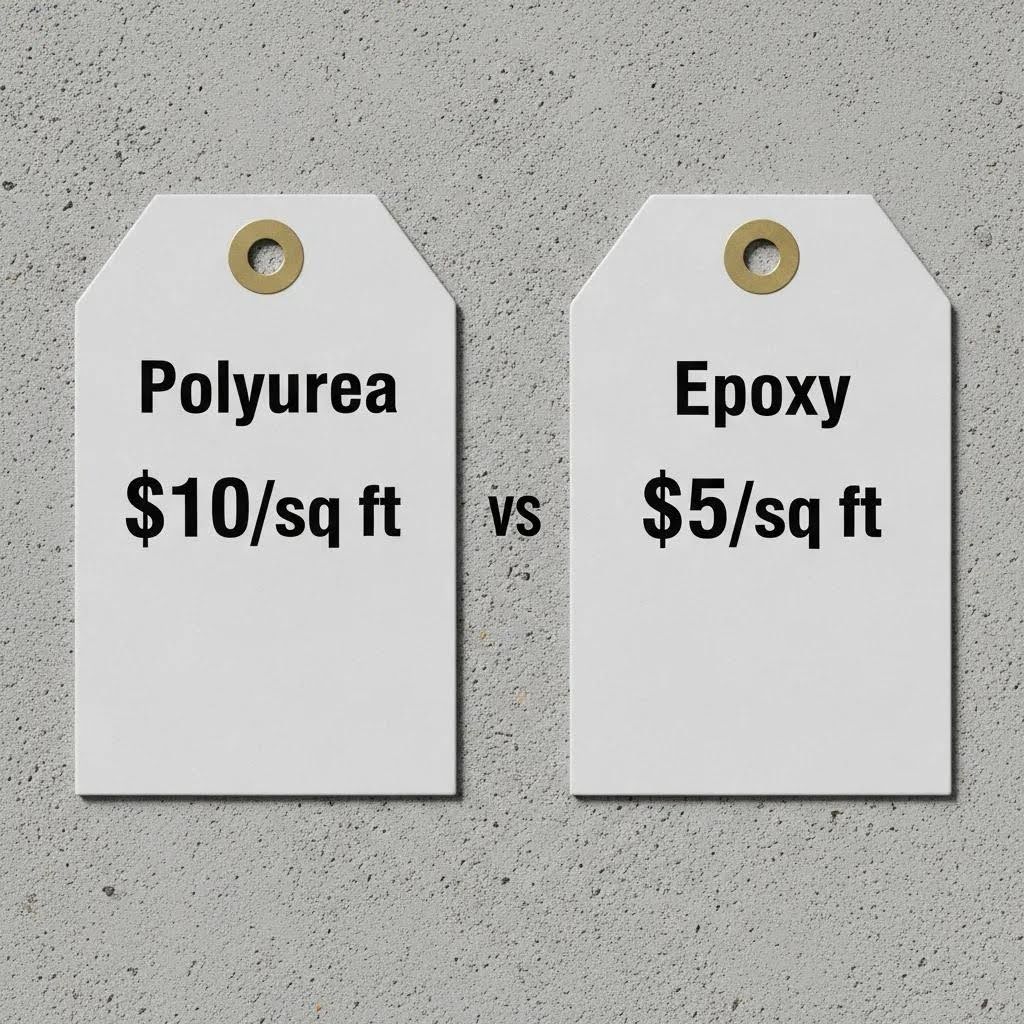
| Coating Type | Price Range | Lifespan |
|---|---|---|
| Epoxy Coatings | $3 – $10 per square foot | Typically lasts 5 to 10 years |
| Polyurea Coatings | $5 – $12 per square foot | Can last 10 to 20 years or more |
The initial investment for polyurea may be higher, but its longer lifespan can provide better long-term value. Factors influencing the cost include the size of the area to be coated, the complexity of the installation, and the specific products used.
For homeowners in NW Pennsylvania and Greater Pittsburgh, Specialty Concrete Coatings LLC offers professional installation services for both garage concrete coating and epoxy floor coating solutions, ensuring quality and durability.
Durability:
Durability is a critical factor when choosing between polyurea and epoxy coatings. Polyurea is known for its superior resistance to chemicals, UV rays, and extreme temperatures, making it an excellent choice for outdoor applications. It can withstand heavy foot traffic and is less prone to cracking compared to epoxy. Notably, while ASTM D4060 Taber Abrasion tests often confirm polyurea’s superior wear resistance, the International Concrete Repair Institute (ICRI) emphasizes that the “total cost of ownership” for polyurea is frequently lower than epoxy due to faster return-to-service times, even when initial material costs are higher.
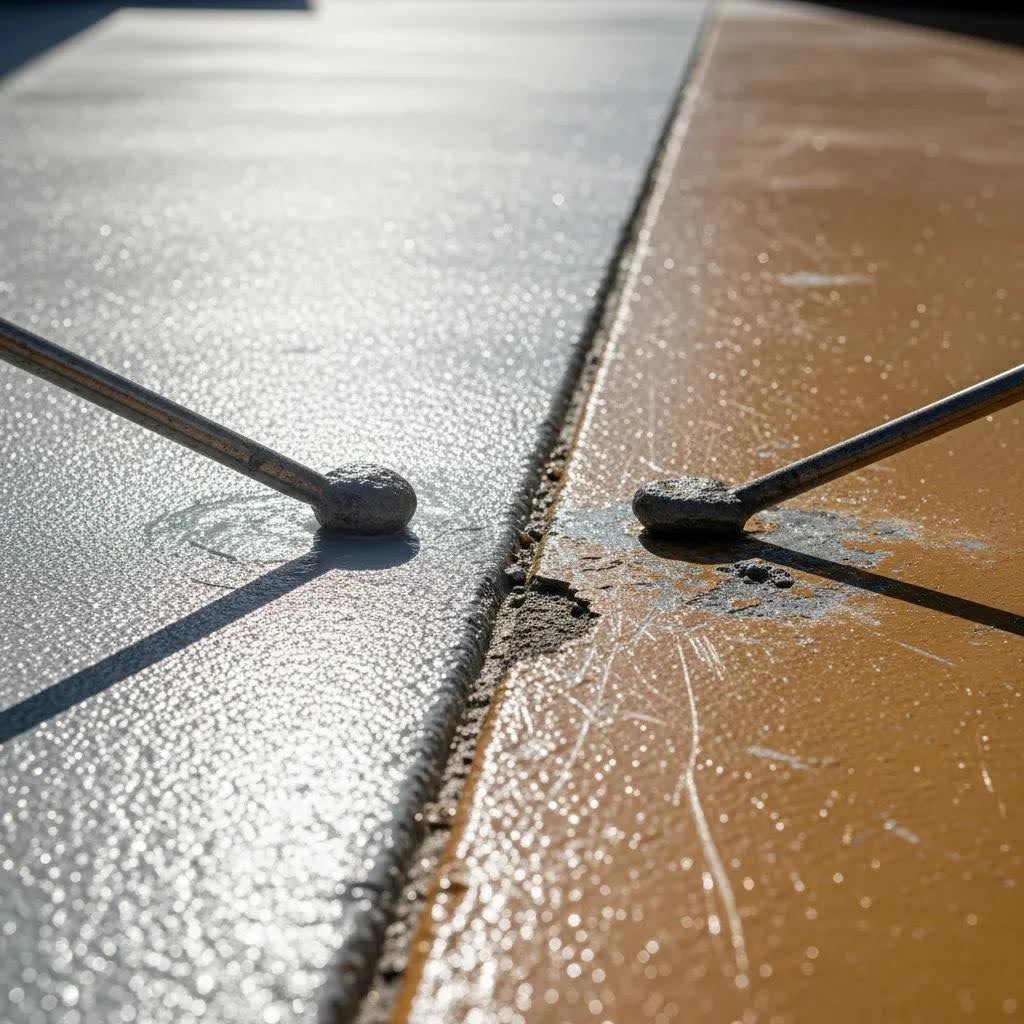
Epoxy, while durable, may not perform as well in extreme conditions and can be susceptible to yellowing when exposed to sunlight. However, it is still a strong option for indoor applications like basement floors where heavy wear is expected. Understanding the durability of each coating can help homeowners make a more informed choice based on their specific needs and environmental conditions.
Advantages:
Both polyurea and epoxy coatings come with distinct advantages that can benefit homeowners.
- Polyurea Coatings:Flexibility: Adapts well to temperature changes, reducing the risk of cracking.Fast Curing Time: Can be applied and ready for use within hours.Chemical Resistance: Excellent for areas exposed to harsh chemicals.
- Epoxy Coatings:Cost-Effectiveness: Generally lower initial cost compared to polyurea.Strong Adhesion: Bonds well to concrete surfaces, providing a durable finish.Variety of Finishes: Available in various colors and textures for aesthetic appeal.
These advantages highlight the strengths of each coating type, allowing homeowners to choose based on their specific requirements.
Disadvantages:
While both coatings have their benefits, they also come with disadvantages that should be considered.
- Polyurea Coatings:Higher Upfront Cost: More expensive than epoxy, which may deter some homeowners.Specialized Application: Requires professional installation for optimal results.
- Epoxy Coatings:Longer Curing Time: Takes longer to cure compared to polyurea, delaying usability.Less Flexibility: More prone to cracking under extreme temperature changes.
Being aware of these disadvantages can help homeowners weigh their options more effectively.
What Are Polyurea and Epoxy Concrete Coatings?
Polyurea and epoxy coatings are both types of protective finishes applied to concrete surfaces. Polyurea is a fast-curing elastomer that provides a flexible, durable layer, while epoxy is a rigid thermosetting polymer that forms a hard, protective coating. Both materials are used to enhance the appearance and longevity of concrete surfaces, but they differ significantly in their chemical composition and performance characteristics.
How Do Polyurea and Epoxy Differ Chemically and Functionally?
The chemical structure of polyurea allows it to cure quickly and maintain flexibility, making it suitable for a variety of applications, including outdoor environments like patios. Epoxy, on the other hand, requires a longer curing time and forms a solid bond that is ideal for indoor use. Understanding these chemical differences can help homeowners select the right coating for their specific needs.
How Do Polyurea and Epoxy Coatings Compare in Cost?
As previously mentioned, the cost of polyurea and epoxy coatings varies significantly.
- Epoxy Coatings: Priced between $3 to $10 per square foot, making it a more budget-friendly option for many homeowners.
- Polyurea Coatings: Generally more expensive, ranging from $5 to $12 per square foot, but offers a longer lifespan and better performance in harsh conditions.
This cost comparison highlights the importance of considering both initial investment and long-term value when selecting a coating.
Which Coating Offers Better Durability and Lifespan?
In terms of durability, polyurea coatings typically outlast epoxy coatings. Polyurea can last 10 to 20 years or more, while epoxy usually lasts between 5 to 10 years. This difference in lifespan is crucial for homeowners looking for a long-term solution for their concrete surfaces. Research published by the Federal Highway Administration (FHWA) on the performance of polyurea and epoxy concrete overlays further supports polyurea’s durability advantage in real-world conditions.
How to Choose Between Polyurea and Epoxy for Your Home?
Choosing the right coating for your home involves several considerations, including budget, application area, and desired durability.
What Are the Key Factors Homeowners Should Consider?
- Cost: Evaluate your budget and consider the long-term value of each option.
- Application Area: Determine whether the coating will be used indoors or outdoors. Explore our full range of residential concrete coating options to find the right fit for your space.
- Durability Needs: Assess the level of wear and tear the surface will experience.
By considering these factors, homeowners can make a more informed decision that aligns with their specific needs.
How Can Specialty Concrete Coatings LLC Assist with Your Concrete Coating Needs?
Specialty Concrete Coatings LLC specializes in providing high-quality concrete coating solutions tailored to the needs of homeowners in NW Pennsylvania and Greater Pittsburgh. With expertise in both polyurea and epoxy applications, they can guide you through the selection process and ensure professional installation for optimal results. Contact them for a free quote and to learn more about how they can enhance your concrete surfaces. View their warranty information for peace of mind on your investment.
Frequently Asked Questions
1. What are the environmental impacts of polyurea and epoxy coatings?
Both polyurea and epoxy coatings have environmental considerations. Polyurea is often considered more eco-friendly due to its low volatile organic compound (VOC) emissions, which contribute less to air pollution. Epoxy coatings, while durable, can have higher VOC levels, especially during application. Homeowners should look for low-VOC formulations to minimize environmental impact. Additionally, proper disposal of leftover materials is essential to prevent environmental contamination.
2. Can polyurea and epoxy coatings be applied over existing surfaces?
Yes, both polyurea and epoxy coatings can be applied over existing concrete surfaces, but proper preparation is crucial. The surface must be clean, dry, and free of any contaminants like oil or grease. For epoxy, it’s important to ensure that the existing coating is compatible; otherwise, it may require removal. Polyurea can often be applied directly over well-prepared surfaces, making it a versatile option for renovations.
3. How do temperature and humidity affect the application of these coatings?
Temperature and humidity significantly impact the application of both polyurea and epoxy coatings. Polyurea can be applied in a wider range of temperatures and cures quickly, making it suitable for various conditions. However, high humidity can affect its curing process. Epoxy requires specific temperature ranges for optimal curing; too cold or too hot can lead to improper adhesion and finish. Always check manufacturer guidelines for ideal conditions before application.
4. What maintenance is required for polyurea and epoxy coatings?
Maintenance for both polyurea and epoxy coatings is relatively low, but some care is needed to prolong their lifespan. Regular cleaning with mild detergents and avoiding harsh chemicals will help maintain their appearance. For epoxy, periodic reapplication may be necessary if wear occurs, especially in high-traffic areas. Polyurea’s flexibility and durability often mean it requires less frequent maintenance, but inspecting for any damage is still recommended. If you’re applying a coating to a basement surface, see our guide on the best concrete coating options for basement floors for additional care tips.
5. Are there specific applications where one coating is preferred over the other?
Yes, specific applications can favor one coating over the other. Polyurea is ideal for outdoor environments, areas with extreme temperature fluctuations, and surfaces exposed to chemicals due to its flexibility and rapid curing. Epoxy is often preferred for indoor applications, especially in garage or industrial settings, where a hard, durable finish is required. For a deeper look, see our guide on choosing between epoxy and polyurea for your garage floor. Understanding the intended use will help homeowners choose the most suitable option.
6. How long does it take for each coating to cure before use?
Polyurea coatings cure extremely quickly, often within a few hours, allowing for rapid use of the surface. This fast curing time is one of its significant advantages. In contrast, epoxy coatings typically require a longer curing period, often taking 24 to 72 hours before the surface can be used, depending on environmental conditions. Homeowners should plan accordingly based on the coating chosen to minimize downtime.
7. What are the aesthetic options available for polyurea and epoxy coatings?
Both polyurea and epoxy coatings offer a variety of aesthetic options. Epoxy coatings are available in numerous colors and finishes, including metallic and decorative flake options, allowing for customization to match home decor. Polyurea also comes in various colors and can be textured for added grip and visual appeal. Homeowners should consider their aesthetic preferences and the overall design of their space when selecting a coating.