Top Signs of Low-Quality Specialty Concrete: How to Identify Defects Before You Buy
Identifying low-quality specialty concrete is crucial for ensuring the longevity and durability of your construction projects. Poor concrete quality can lead to significant structural issues, making it essential for homeowners and commercial property owners to recognize the signs of defects before making a purchase. This article will guide you through the top indicators of low-quality concrete, including visible cracks, discoloration, and surface wear. Additionally, we will explore how to effectively test and inspect concrete durability, as well as the benefits of specialty concrete coatings that can address these issues. By understanding these key aspects, you can make informed decisions and protect your investment in concrete surfaces.
Indeed, the structural integrity of concrete is paramount, as studies highlight the severe impact that low-quality concrete can have on a structure’s overall stability and resistance to external forces.
Impact of Low-Quality Concrete on Structural Integrity
Concrete is a widely used building material known for its cost-effectiveness and high resistance compared to alternative materials. However, uncertainties in the casting process due to variations in the environment and human error can compromise its strength, increasing the risk of collapse when subjected to seismic excitations. This study aims to investigate the seismic behavior of reinforced concrete (RC) structures constructed with lower-quality concrete, assessing the impact of diminished concrete strength on structural rigidity and susceptibility to ground disturbances, and quantifying performance changes in defective structures.
What Are the Most Common Signs of Poor Concrete Quality?
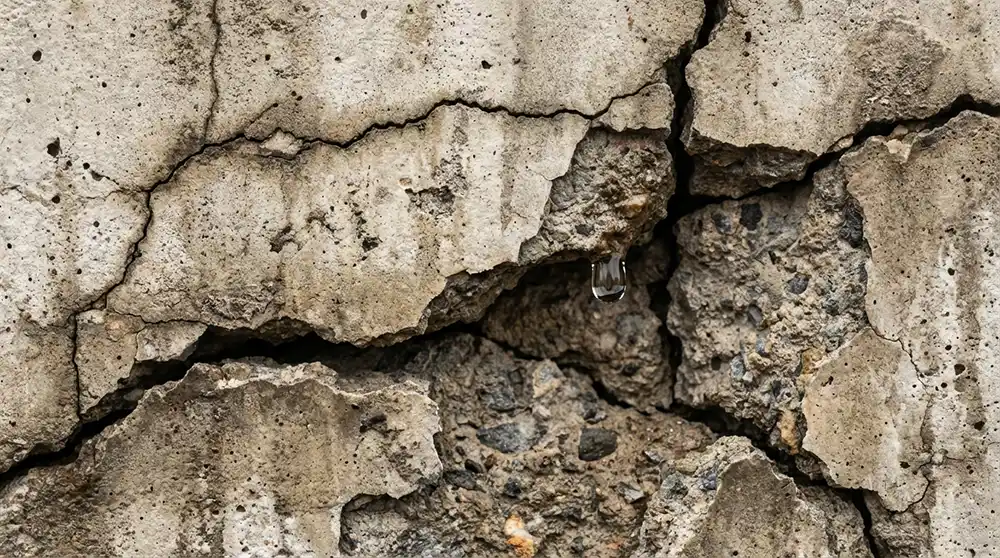
Recognizing the signs of low-quality concrete is the first step in ensuring a sound investment. Common indicators include visible cracks, which can indicate structural issues or poor mixing and curing processes; discoloration, where uneven color can suggest improper curing or the use of inferior materials; and surface wear, where excessive wear points to inadequate surface treatment or low-quality aggregates.
These signs are critical to assess before purchasing concrete, as they can lead to more significant problems down the line. If you’ve already noticed cracking on an existing surface, learn more about how coatings can help repair cracked concrete before the damage worsens.
Further research emphasizes the importance of evaluating concrete quality and understanding its internal structure to prevent deterioration in civil engineering projects.
Evaluating Concrete Quality and Deterioration in Civil Engineering
Modern high performance concretes (HPCs) are well characterized by their materials, compositions, and other characteristics, and usually documented by test samples from laboratory specimens and trial castings. However, in young constructions, the internal structure of the HPC often reveals serious differences from that of the test sample concrete. Accordingly, the characteristics of the constructional concrete may be dramatically different from the expectations, often leading to increased rates of deterioration.
Monitoring of concrete quality in high performance civil engineering constructions, 1994
How to Recognize Cracking, Scaling, and Discoloration in Concrete Surfaces
Cracking, scaling, and discoloration are prevalent issues that can compromise the integrity of concrete surfaces. Visible cracks or potholes often indicate structural issues or surface wear, which can worsen over time if not addressed. Fading color or a chalky surface suggests deterioration of the surface finish, while standing water after rain can be a sign of poor drainage or surface damage. Recognizing these signs early can help prevent costly repairs in the future. Understanding how concrete coatings perform against weather is especially important in climates with harsh freeze-thaw cycles like those experienced across Pennsylvania.
What Does Surface Porosity Indicate About Concrete Durability?
Surface porosity is a critical factor in determining concrete durability. High porosity can lead to increased water absorption, which may weaken the concrete over time. This characteristic often indicates the quality of materials used in the concrete mix. Understanding surface porosity helps in assessing the long-term performance of concrete, making it an essential aspect to consider during inspections.
How Can You Test and Inspect Concrete Durability Effectively?
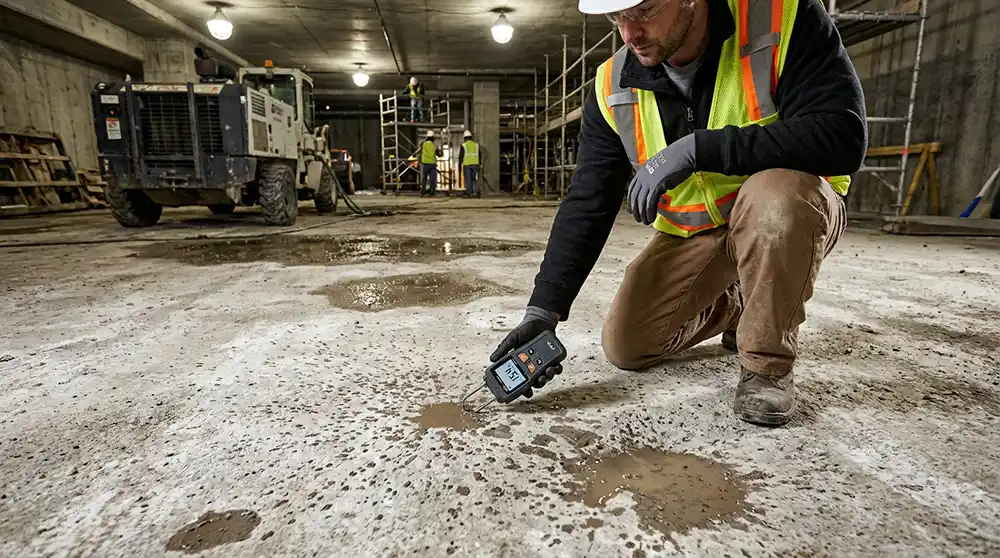
Testing and inspecting concrete durability can be accomplished through various methods. Visual inspection methods involve checking for cracks, discoloration, and surface wear. Moisture testing is another effective technique, as it helps identify potential issues related to water absorption and porosity. These methods are essential for ensuring that the concrete meets the required standards for durability and performance.
What Are the Step-by-Step Methods for Visual and Moisture Inspection?
To conduct a thorough inspection of concrete surfaces, begin with a visual inspection by examining the surface for any visible cracks, scaling, or discoloration. Follow this with moisture testing using moisture meters to assess the moisture content within the concrete, which can indicate potential issues. Finally, perform a thorough surface examination to check for any signs of wear or damage that may affect the concrete’s performance. These methods provide a comprehensive approach to evaluating concrete quality and durability.
Which Strength and Durability Tests Are Recommended for Specialty Concrete?
When assessing specialty concrete, several strength and durability tests are recommended. The compressive strength test measures the concrete’s ability to withstand axial loads. The flexural strength test evaluates the concrete’s resistance to bending. Durability tests assess the concrete’s performance under various environmental conditions. These tests are essential for ensuring that the concrete meets the necessary standards for quality and performance.
What Are Common Problems with Specialty Concrete Coatings?
Specialty concrete coatings can enhance the appearance and durability of concrete surfaces, but they can also present challenges. Adhesion failures occur when poor surface preparation leads to coatings that do not adhere properly. Surface damage can cause coatings to peel or discolor if the underlying concrete is of low quality. Understanding these issues can help in selecting the right coating solutions for your concrete surfaces. Many homeowners are also surprised to learn the differences between coating chemistries — read our guide on what homeowners don’t know about polyurea and polyaspartic coatings to make a more informed choice.
How Do Coating Failures Reveal Underlying Concrete Issues?
Coating failures often serve as indicators of underlying concrete problems. Moisture infiltration can lead to freeze-thaw damage, where moisture freezes and expands, causing cracks and deterioration. Additionally, temperature fluctuations can make coatings brittle or cause softening and deformation. Recognizing these signs can help address the root causes of coating failures and improve the overall quality of the concrete.
What Are the Signs of Surface Peeling and Discoloration in Coated Concrete?
Surface peeling and discoloration are clear signs of issues with coated concrete. Visible wear, peeling, and discoloration can indicate that the coating is failing, often due to poor adhesion or the presence of moisture beneath the surface. Identifying these signs early can help in taking corrective measures to restore the integrity of the concrete.
Why Choose Specialty Concrete Coatings to Address Low-Quality Concrete?
Specialty concrete coatings offer several benefits for addressing low-quality concrete surfaces. Enhanced durability means these coatings are designed to withstand heavy wear and tear, making them ideal for high-traffic areas and harsh weather conditions. Improved aesthetics allow specialty concrete coatings to dramatically enhance the appearance of floors with various colors and finishes, adding value to your home. Low maintenance requirements come from their non-porous surface, which resists stains and spills, simplifying cleaning and maintenance. These advantages make specialty coatings a valuable investment for homeowners and commercial property owners looking to improve their concrete surfaces.
How Do Specialty Coatings Protect and Restore Defective Concrete Surfaces?
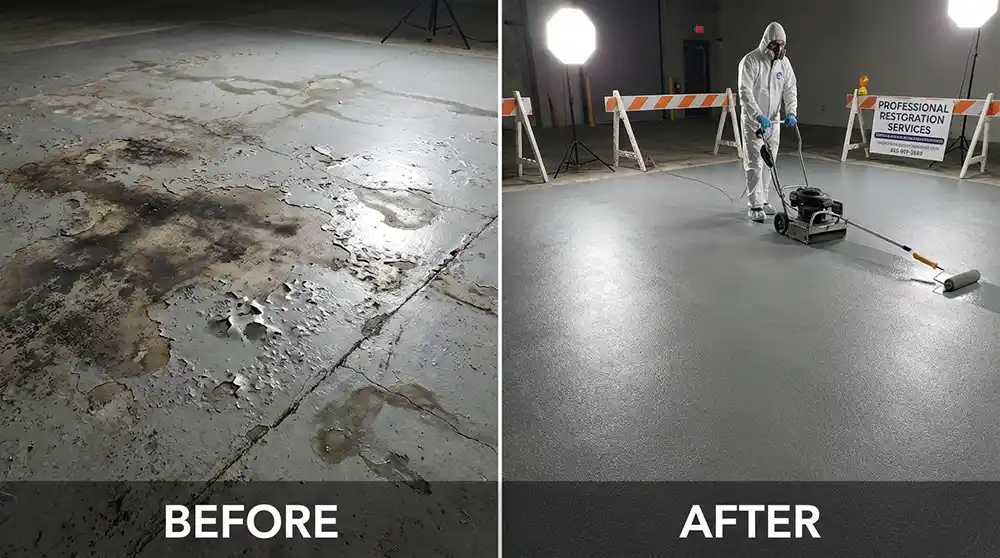
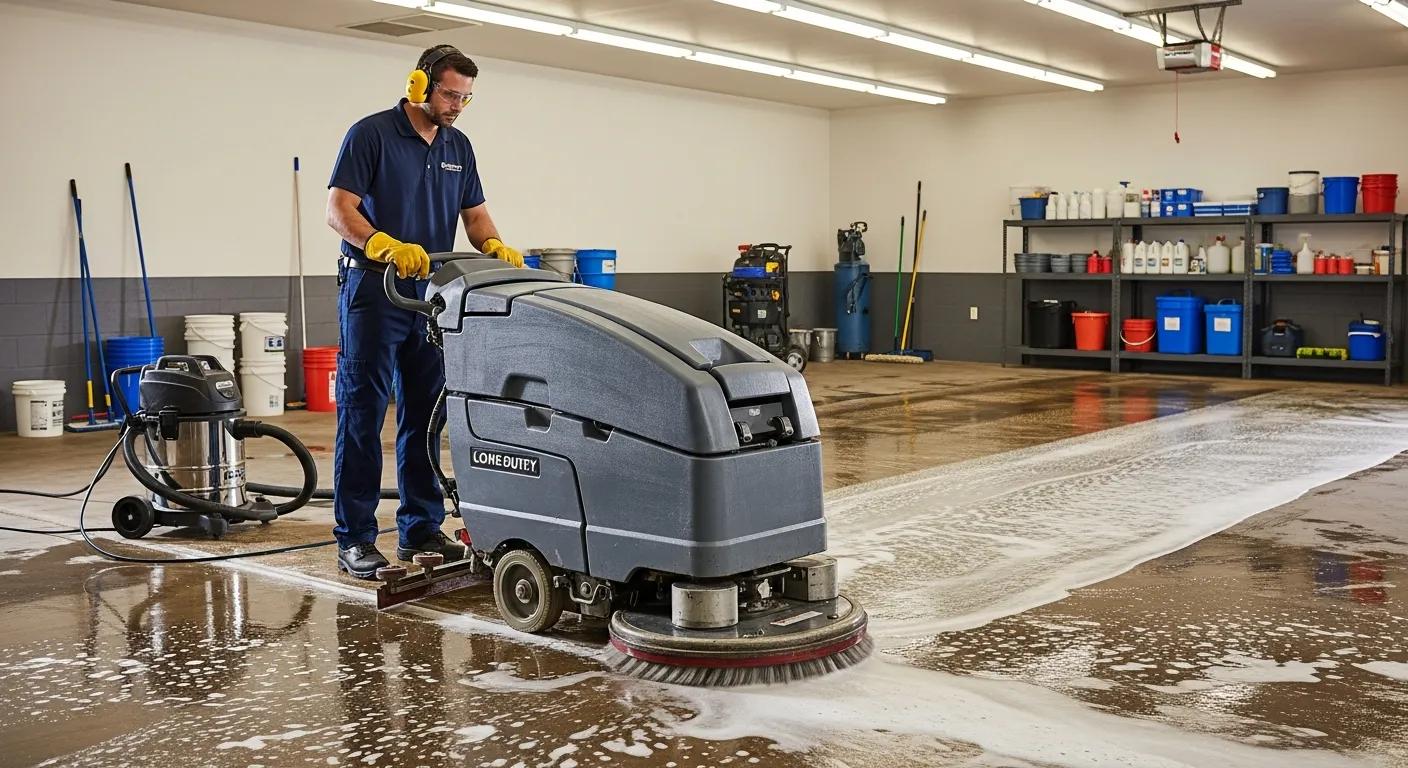
Specialty coatings protect and restore defective concrete surfaces through effective methods. Surface preparation involves thoroughly cleaning the concrete, removing existing coatings, repairing cracks, and filling holes to create a smooth base. Expert technicians then apply the chosen coating, such as epoxy concrete floor coating, ensuring even coverage and a flawless finish. This process not only enhances the appearance of the concrete but also extends its lifespan.
What Are the Benefits of Expert Assessment and Customized Coating Solutions?
Engaging experts for assessment and customized coating solutions offers significant advantages. Experts use high-quality materials that ensure long-lasting finishes, and clients benefit from customizable options including a variety of colors, patterns, and finishes to match their style. These benefits highlight the importance of professional guidance in selecting the right solutions for your concrete needs. For more information on how to improve your concrete surfaces, consider exploring proven methods to extend the life of your concrete surfaces and taking the first step toward a lasting solution.