Maintaining specialty concrete surfaces is crucial for ensuring their longevity and aesthetic appeal. These surfaces, often used in both residential and commercial settings, require specific care to prevent damage and maintain their functionality. In this article, we will explore key maintenance considerations, including common issues, recommended cleaning products, sealant types, and repair techniques. Understanding these aspects will help you keep your specialty concrete surfaces in optimal condition, enhancing their durability and appearance. We will also discuss regional climate considerations for NW Pennsylvania and Greater Pittsburgh, which can significantly impact maintenance practices. Finally, we will guide you on when to contact professionals for assistance.
Common Maintenance Issues and How to Address Them
Specialty concrete surfaces can face several maintenance challenges that, if not addressed promptly, can lead to significant damage.
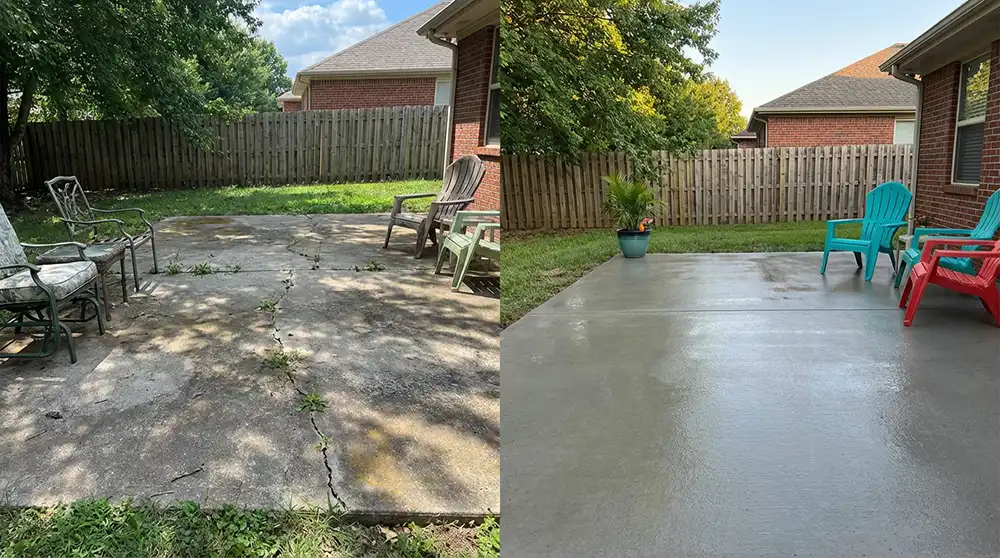
- Stains and Discoloration: Regular exposure to spills and environmental factors can lead to unsightly stains. Immediate cleaning is essential to prevent permanent discoloration.
- Cracks and Chips: Over time, wear and tear can cause cracks and chips in the surface. Prompt repair is crucial to prevent further deterioration.
- Surface Wear: High foot traffic can lead to surface wear, diminishing the aesthetic appeal and functionality of the concrete.
To effectively address these issues, regular maintenance practices should be implemented. For instance, using protective coatings can help shield the surface from stains and wear. Additionally, promptly repairing any cracks can prevent them from expanding and causing more extensive damage. Learn more about how to extend the life of your concrete surfaces with the right maintenance routine.
Indeed, the structural integrity of concrete surfaces hinges on timely and appropriate repair methods, especially when cracks appear.
Concrete Repair Methods & Maintenance for Structural Integrity
Concrete is a very critical material that may require maintenance and possible repair periodically, especially in important structures such as bridges. In general, concrete in structures (e.g. reinforced concrete) may be subjected to cracks due to a variety of reasons. These cracks can affect not only the appearance of the structure but more importantly the structural performance of concrete and the integrity of the concrete structure. Therefore, when cracks occur a proper repair method should be selected, based on the intended performance of the structure and economy.
Methods and surface materials repair for concrete structures–A review, LW ElKhatib, 2023
For further guidance on concrete repair standards and best practices, the American Concrete Institute (ACI) is a leading authority providing technical resources and repair guidelines for concrete structures of all types.
Specialty Concrete Coatings LLC offers a range of concrete coating solutions tailored for both residential and commercial clients in NW Pennsylvania and Greater Pittsburgh, ensuring your surfaces remain in top condition.
Recommended Cleaning Products and Procedures
Cleaning specialty concrete coatings requires specific products and procedures to maintain their integrity and appearance. Here are some recommended practices:
- Use Mild Detergents: Opt for pH-neutral cleaners that won’t damage the surface. Avoid harsh chemicals that can strip away protective coatings.
- Frequency of Cleaning: Regular cleaning should be performed at least once a month to prevent buildup of dirt and grime.
- Immediate Stain Removal Techniques: For spills, it’s essential to clean them immediately using absorbent materials and appropriate cleaners to prevent staining.
The effectiveness of these cleaning methods often relies on the careful selection of pH-neutral and aqueous solutions to protect the surface.
Aqueous & pH-Neutral Cleaners for Surface Contaminant Removal
When an aqueous cleaner is used to remove contaminants from a surface, the water is the primary solvent. Acidic and pH-neutral cleaners are not as sensitive as mildly alkaline cleaners. Implementing these cleaning practices will help maintain the aesthetic appeal and durability of your specialty concrete surfaces.
Sealant Types and Their Maintenance
Different sealant types offer varying levels of protection and maintenance requirements for specialty concrete surfaces. Understanding these differences can help you choose the right sealant for your needs. For a deeper comparison of the top two options, read our guide on choosing between epoxy and polyurea for your garage floor.
- Epoxy Coatings offer a lifespan of 5–10 years, require reapplication every 2–3 years, and are valued for their high durability and chemical resistance.
- Polyurea Coatings also last 5–10 years with maintenance every 2–3 years, and stand out for their fast curing time and excellent flexibility.
- Acrylic Sealers have a shorter lifespan of 1–3 years and require annual maintenance, but are easy to apply and provide good UV resistance.
Among the various options, polyurea coatings stand out for their robust protective qualities and application versatility. To learn more about the full benefits of this coating type, read our article on what homeowners don’t know about polyurea and polyaspartic coatings.
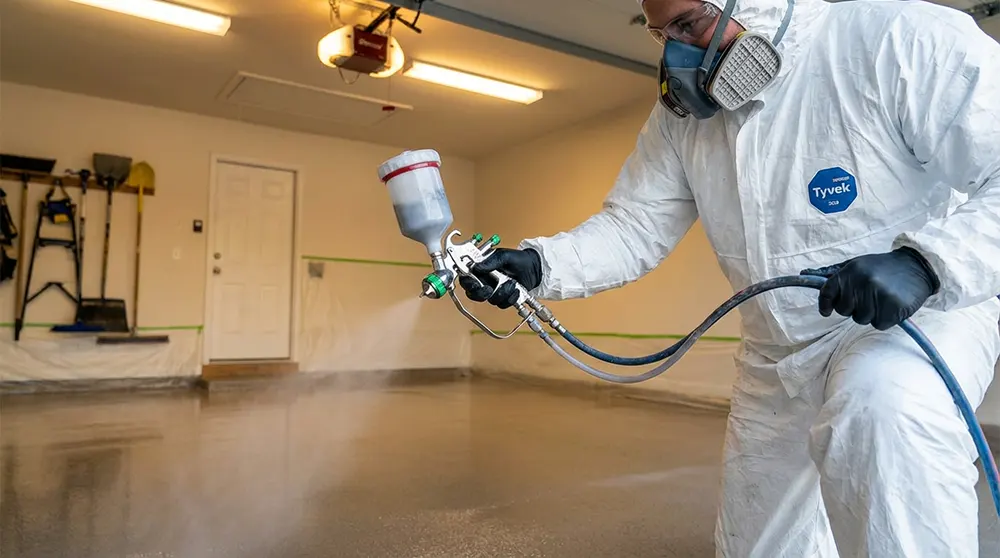
Polyurea Coatings: High-Strength Concrete Protection
Polyurea is a synthetic high-strength elastomeric coating that can be sprayed over existing concrete. Practical processing of polyurea is performed using spray coating technique.
Protective polyurea coatings for enhanced blast survivability of concrete, PK Sharma, 2018
For an independent overview of concrete sealing products and application methods, The Concrete Network’s sealer guide is a trusted resource covering the full range of sealant options for residential and commercial surfaces.
Choosing the right sealant and adhering to its maintenance schedule is essential for prolonging the life of your specialty concrete surfaces.
Repair Techniques for Damaged Coatings
When it comes to repairing damaged specialty concrete surfaces, several techniques can be employed to restore their integrity.
- Surface Preparation: Begin by cleaning the area thoroughly to remove any debris or contaminants that could affect adhesion.
- Application of Repair Materials: Use appropriate repair materials, such as epoxy or polymer-based compounds, to fill in cracks and chips.
- Curing Process: Allow the repair materials to cure fully according to the manufacturer’s instructions to ensure a strong bond.
These techniques will help restore the functionality and appearance of your specialty concrete surfaces, ensuring they remain durable and visually appealing.
Regional Climate Considerations for NW Pennsylvania and Greater Pittsburgh
The local climate in NW Pennsylvania and Greater Pittsburgh significantly impacts the maintenance of specialty concrete surfaces. Preparing your coating for the colder months is especially important — visit our guide on winter-proofing your concrete to stay ahead of seasonal damage.
- Impact of Freeze-Thaw Cycles: The region experiences freeze-thaw cycles that can lead to cracking and surface damage. Proper sealing and maintenance are essential to mitigate these effects.
- Moisture Resistance Needs: High humidity levels can lead to moisture-related issues, such as mold and mildew growth. Regular cleaning and the use of moisture-resistant sealants can help prevent these problems.
- Temperature Tolerance: Extreme temperature fluctuations can affect the performance of concrete coatings. Selecting products designed for local climate conditions is crucial for long-term durability. For a broader look at how coatings hold up under varying conditions, see our article on understanding concrete coating weather resistance.
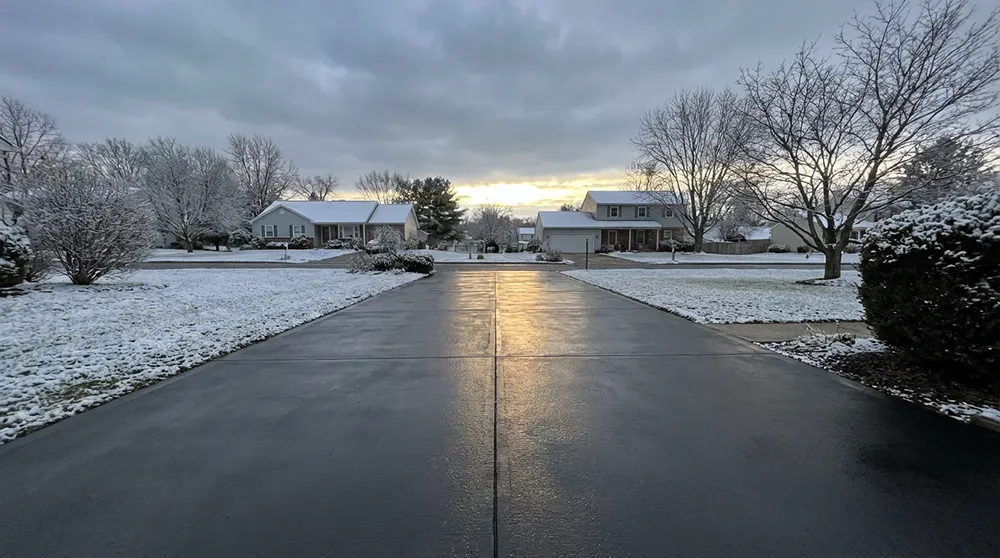
The Portland Cement Association’s resource on freeze-thaw resistance provides authoritative technical detail on how concrete behaves in cold-climate conditions, which is especially relevant for homeowners across Western Pennsylvania.
Understanding these regional factors will help you tailor your maintenance practices to ensure the longevity of your specialty concrete surfaces.
When to Contact Professionals and Request a Quote
Knowing when to seek professional help for concrete maintenance is essential for preserving your investment.
- Signs of Damage: If you observe significant cracks, discoloration, or surface wear, it may be time to consult an expert.
- Benefits of Professional Maintenance: Professionals can provide specialized knowledge and access to high-quality materials that may not be available to the average homeowner.
- How to Request a Quote: Reach out to local providers, such as Specialty Concrete Coatings LLC, to discuss your needs and obtain a quote for services.
By recognizing these signs and understanding the benefits of professional maintenance, you can ensure your specialty concrete surfaces remain in excellent condition for years to come.