Quick Answer: Epoxy floor coatings, especially in areas like NW Pennsylvania with its unique climate challenges such as freeze-thaw cycles and humidity, commonly fail due to peeling, bubbling, adhesion problems, cracks, moisture issues, and surface wear. Effective repair starts with identifying the root cause, proper surface preparation, and moisture control. Maintaining your floor with regular cleaning and timely resealing is also essential to extend its lifespan.
This article delves into the six most common failures associated with epoxy floor coatings, exploring their causes and the best solutions to address them. By identifying these problems early, you can maintain the integrity of your flooring and extend its lifespan. We will cover topics such as peeling, bubbling, adhesion issues, and effective repair methods, along with maintenance practices to prevent future failures.
What Are the Most Frequent Epoxy Floor Coating Failures?
Epoxy floor coatings can experience several common failures that affect their appearance and functionality. Recognizing these issues is the first step toward effective repair and maintenance. The following are the most frequent problems encountered with epoxy floor coatings:
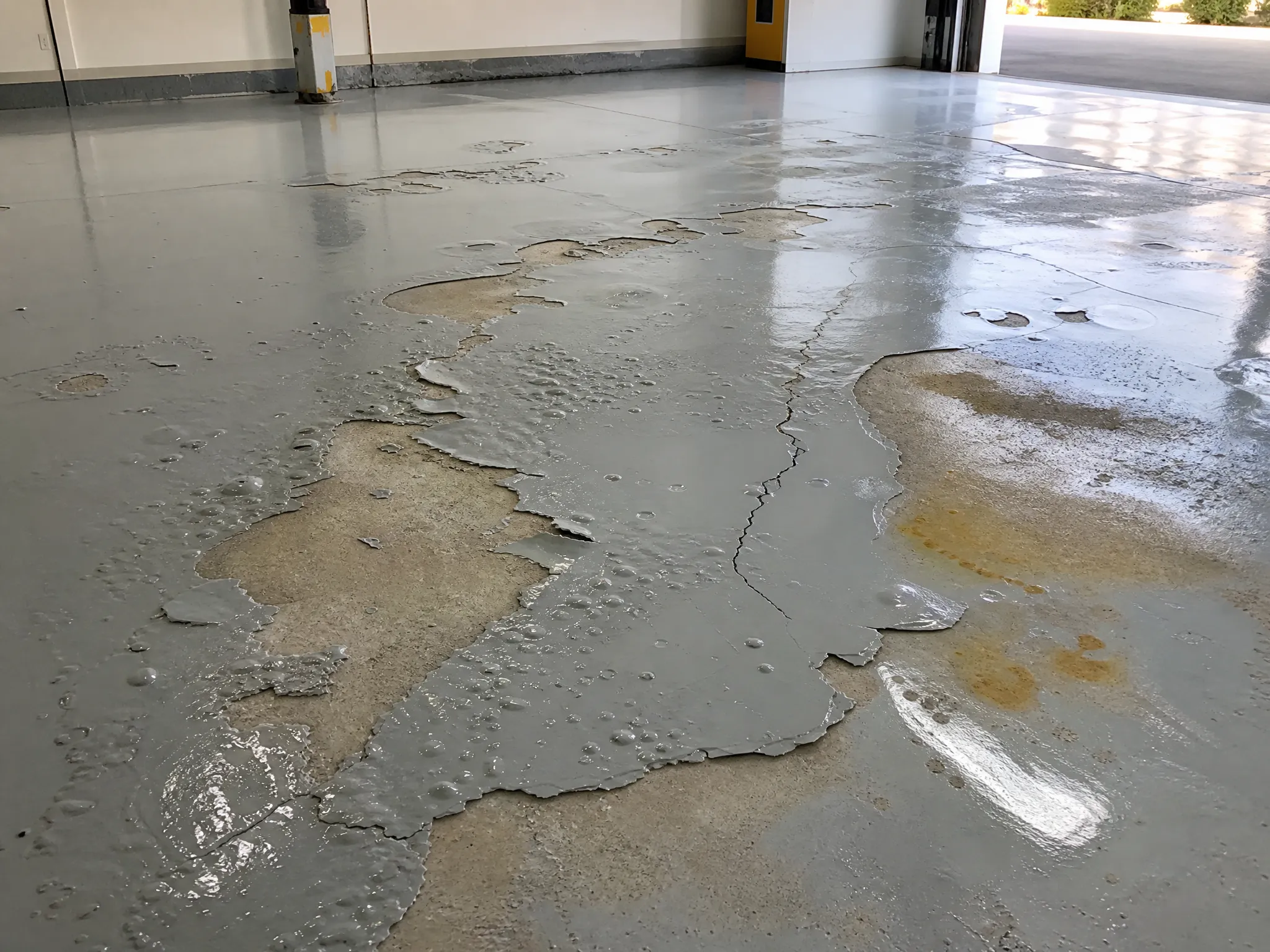
- Peeling: This occurs when the epoxy layer detaches from the substrate, often due to improper surface preparation or moisture issues.
- Bubbling and Blistering: These defects arise from trapped moisture or improper application techniques, leading to unsightly surface imperfections.
- Adhesion Problems: Poor adhesion can manifest as visible peeling or bubbling, often caused by inadequate surface preparation or contamination.
- Cracks and Discoloration: Cracks can develop due to thermal expansion or heavy loads, while discoloration may result from UV exposure or chemical spills.
- Moisture Issues: Excess moisture can lead to various problems, including peeling and bubbling, making moisture control essential.
- Surface Wear: Over time, epoxy floors can wear down, leading to a dull appearance and reduced protective qualities.
How Does Peeling Occur and What Causes It?
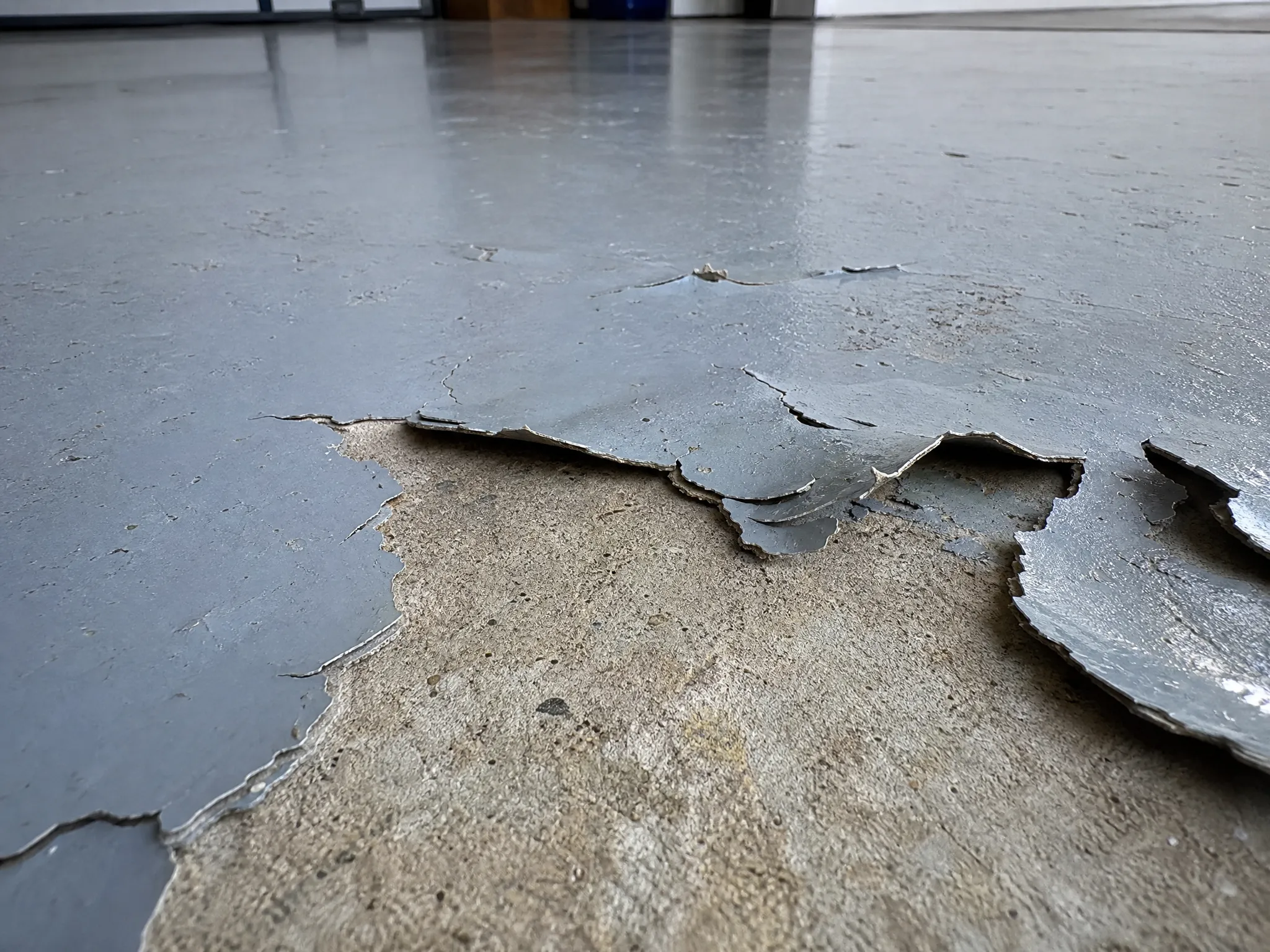
Peeling in epoxy coatings typically occurs when the bond between the epoxy and the substrate fails. This can be attributed to several factors, including:
- Improper Surface Preparation: If the surface is not adequately cleaned or primed, the epoxy may not adhere properly.
- Moisture Issues: High moisture levels in the substrate can lead to peeling as the epoxy cannot bond effectively.
- Low-Quality Materials: Using inferior epoxy products can result in poor adhesion and increased likelihood of peeling.
Addressing these factors during the installation process is crucial to prevent peeling and ensure a long-lasting finish. For a technical deep-dive into how concrete carbonation, ground moisture, and primer contamination trigger widespread failures, see this research on epoxy blistering and delamination on concrete floors.
What Leads to Bubbling and Blistering in Epoxy Floors?
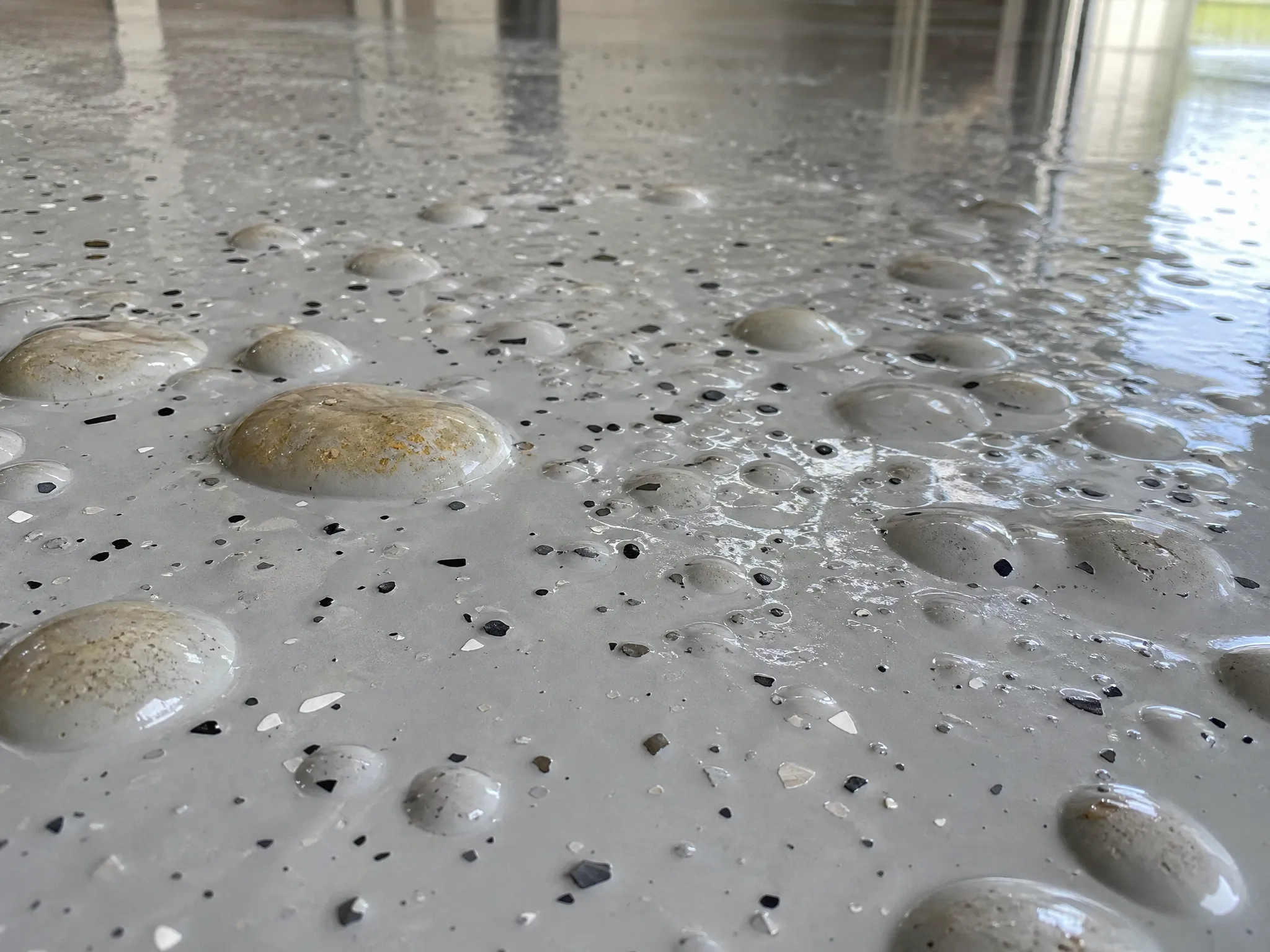
Bubbling and blistering in epoxy floors are often caused by moisture trapped beneath the surface. This can happen due to:
- Moisture Trapped Beneath the Surface: If the substrate contains moisture, it can vaporize and create bubbles as the epoxy cures.
- Improper Application: Applying epoxy in conditions that are too humid or cold can lead to improper curing and surface defects.
- Repair Techniques: If previous repairs were not executed correctly, they could contribute to bubbling and blistering.
To mitigate these issues, it is essential to control moisture levels and follow proper application guidelines. A peer-reviewed study on epoxy adhesion strength and moisture performance metrics confirms that substrate porosity and moisture content are the leading predictors of coating failure.
How Can You Identify and Diagnose Concrete Floor Coating Issues?
Identifying and diagnosing issues with epoxy floor coatings involves a combination of visual inspection and testing. Key methods include:
- Visual Inspection Techniques: Look for signs of peeling, bubbling, or discoloration on the surface.
- Common Signs of Failure: Pay attention to areas where the coating appears uneven or damaged.
- Testing Methods: Conduct moisture tests to determine if excess moisture is present in the substrate, which could lead to further issues.
Regular inspections can help catch problems early, allowing for timely repairs.
What Are the Signs of Adhesion Problems in Epoxy Coatings?
Adhesion problems in epoxy coatings can manifest in several ways, including:
- Visible Peeling: Areas where the coating has lifted away from the substrate indicate poor adhesion.
- Bubbling: Bubbles forming on the surface can also signal adhesion issues, often due to moisture or improper application.
- Discoloration: Changes in color may suggest that the epoxy is not adhering properly, potentially due to contamination or moisture.
Identifying these signs early can help prevent more extensive damage and costly repairs.
How to Detect Cracks and Discoloration in Epoxy Floors?
Detecting cracks and discoloration in epoxy floors requires careful observation and testing. Effective methods include:
- Visual Inspection: Regularly check for visible cracks or changes in color across the surface.
- Common Signs of Cracks: Look for hairline fractures or larger cracks that may indicate underlying issues.
- Testing for Moisture: Use moisture meters to assess the substrate’s moisture content, as high levels can lead to cracking and discoloration.
By monitoring these factors, you can address issues before they escalate.
What Are Proven Repair Methods for Common Epoxy Floor Failures?
Repairing common epoxy floor failures involves several effective methods, including:
- Identify the Cause of Failure: Understanding the root cause is essential for effective repairs.
- Repair Techniques: Depending on the issue, techniques may include patching, recoating, or complete removal and replacement of the epoxy layer.
- Preventive Measures: Implementing proper surface preparation and moisture control can help prevent future failures.
Utilizing these methods can restore the integrity of your epoxy flooring and enhance its longevity. If you’re starting fresh, explore our garage epoxy floor coating services for professionally applied systems designed to last.
How Does Proper Surface Preparation Prevent Future Failures?
Proper surface preparation is critical in preventing future failures of epoxy floor coatings. Key steps include:
- Cleaning the Floor: Thoroughly clean the surface to remove dust, grease, and contaminants that can affect adhesion.
- Repairing Cracks: Address any existing cracks before applying the epoxy to ensure a smooth, even surface.
- Creating a Suitable Surface Profile: Use grinding or shot blasting to create a texture that promotes better adhesion.
By following these preparation steps, you can significantly reduce the risk of future coating failures. You may also want to read our guide on choosing between epoxy and polyurea for your garage floor to determine which coating best suits your needs.
What Are Effective Techniques for Patching and Recoating?
Patching and recoating epoxy floors require specific techniques to ensure a successful outcome. Effective methods include:
- Thorough Cleaning: Clean the area to be patched or recoated to ensure proper adhesion.
- Inspect for Damage: Assess the extent of damage before proceeding with repairs.
- Reapply Epoxy: Use high-quality epoxy products for patching and recoating to ensure durability and performance.
Implementing these techniques can help maintain the appearance and functionality of your epoxy floors.
How to Maintain Epoxy Floor Coatings for Long-Lasting Durability?
Maintaining epoxy floor coatings is essential for ensuring their longevity. Key maintenance practices include:
- Regular Cleaning: Keep the surface clean to prevent dirt and grime buildup that can damage the coating.
- Immediate Stain Removal: Address spills and stains promptly to prevent discoloration and surface damage.
- Periodic Resealing: Reseal the epoxy surface as needed to maintain its protective qualities and appearance.
By following these maintenance practices, you can extend the life of your epoxy flooring. For basement applications where moisture is an even greater concern, see our basement epoxy floor coating options.
What Maintenance Practices Extend Epoxy Floor Lifespan?
To extend the lifespan of epoxy floors, consider the following maintenance practices:
- Regular Cleaning: Implement a routine cleaning schedule to keep the surface in optimal condition.
- Moisture Control: Monitor and manage moisture levels in the environment to prevent issues like peeling and bubbling.
- Proper Surface Preparation: Ensure that any repairs or recoating are done with proper surface preparation to enhance adhesion.
These practices can significantly contribute to the durability and longevity of your epoxy floor coatings. Homeowners curious about alternatives should also learn what homeowners don’t know about polyurea and polyaspartic coatings, which often outperform standard epoxy in high-moisture environments.
How Does NW Pennsylvania Climate Affect Epoxy Floor Performance?
The climate in NW Pennsylvania can have a significant impact on the performance of epoxy floor coatings. Key factors include:
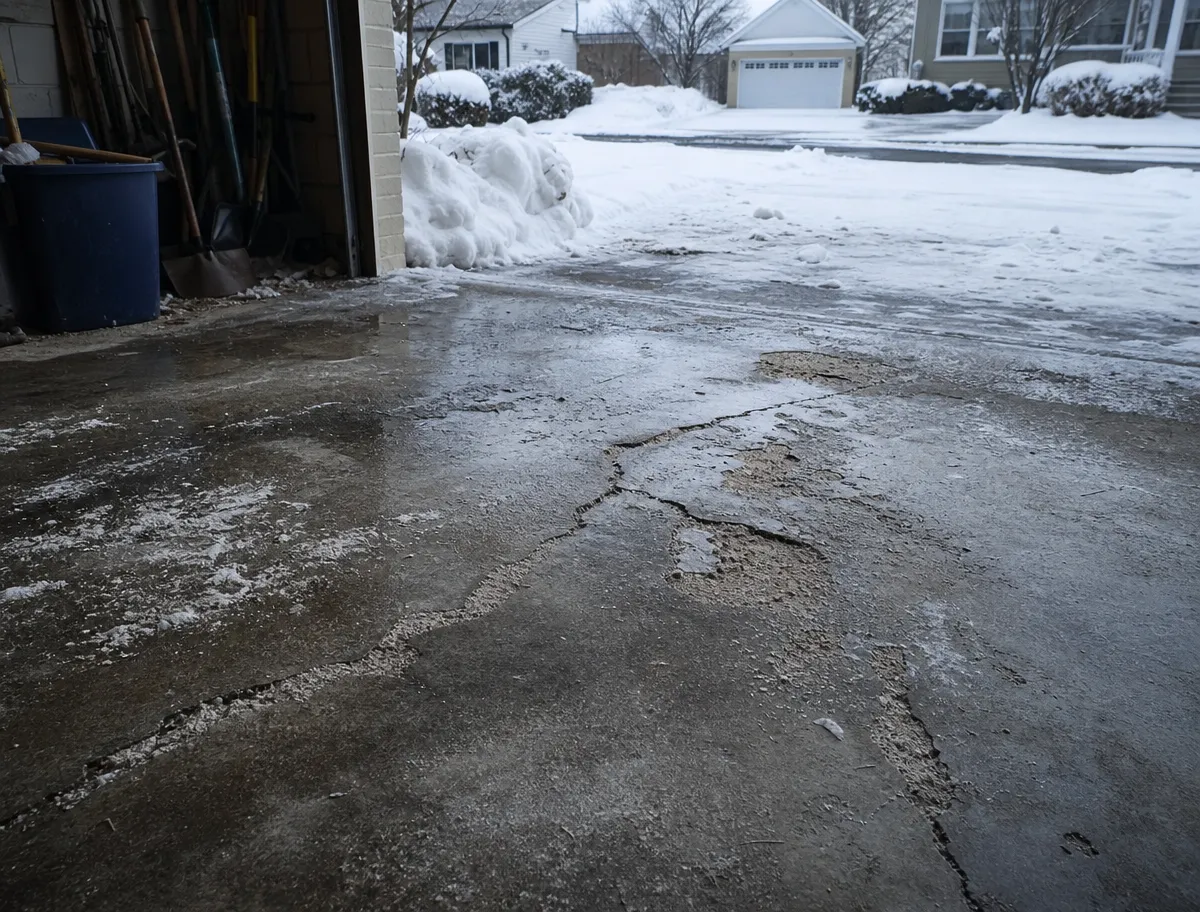
- Freeze-Thaw Cycles: The region’s temperature fluctuations can lead to expansion and contraction, potentially causing cracks in the epoxy.
- High Humidity Effects: Elevated humidity levels can contribute to moisture-related issues, such as bubbling and peeling.
- Salt and Chemical Exposure: De-icing agents and chemicals used in winter can damage the epoxy surface if not properly managed.
Understanding these climatic influences can help in selecting the right epoxy products and maintenance strategies for optimal performance. Our guide on concrete coating weather resistance in Pennsylvania provides region-specific advice for freeze-thaw and high-humidity conditions.
Conclusion
Addressing common epoxy floor coating failures not only enhances the longevity of your floors but also preserves their aesthetic appeal. Understanding the causes and implementing effective repair and maintenance strategies adds significant value to your investment. For proactive homeowners and business owners aiming for durability and functionality, exploring our range of high-quality epoxy solutions is essential. Take the next step in maintaining your floors today to ensure they remain in top condition for years to come.
Choose Specialty Concrete Coatings for Expert Epoxy Floor Services in NW Pennsylvania
If you’re located in NW Pennsylvania and need expert assistance with epoxy floor coatings, trust Specialty Concrete Coatings. Our experienced team understands the unique challenges posed by the local climate and offers tailored solutions to ensure your floors perform and look great long-term. Contact us today for a free quote and let us help protect your investment with top-quality epoxy floor coatings and repairs.
Frequently Asked Questions
What is the best way to remove peeling epoxy from concrete?
To remove peeling epoxy from concrete, start by using a paint scraper or a chisel to lift the delaminated sections. For larger areas, a floor grinder may be necessary to achieve a smooth surface. After removing the peeling layers, clean the concrete thoroughly to eliminate any dust and debris. You can also use a solvent to assist in cleaning and prepare the surface for new epoxy application, ensuring better adhesion in the future.
How can I prevent bubbling in my epoxy floor?
To prevent bubbling in epoxy flooring, ensure that the substrate is completely dry before application. Conduct moisture tests to check for trapped moisture in the concrete. Avoid applying epoxy in environments with high humidity or low temperatures, which can interfere with proper curing. Applying the epoxy in thinner layers and using appropriate application techniques can also help minimize the risk of bubbles during the curing process.
Is it possible to apply new epoxy over an existing, damaged floor?
Yes, it is possible to apply new epoxy over an existing damaged floor, but proper preparation is essential. Begin by thoroughly cleaning the surface to remove dirt, grease, and peeling areas. Repair significant cracks with a suitable filler and ensure the surface is rough enough for the new epoxy to adhere correctly. If the existing coating is severely damaged, complete removal may be necessary for a successful new application.
What products are recommended for maintaining epoxy floors?
To maintain epoxy floors effectively, use pH-neutral cleaners specifically designed for epoxy surfaces. Avoid harsh chemicals that can degrade the coating. Regular use of a soft mop or floor scrubber will help keep the surface clean. For added protection, consider periodic application of a specific epoxy sealer designed to enhance durability and resist staining while providing a fresh, glossy finish.
How often should I reseal my epoxy floor?
The frequency of resealing epoxy floors depends on the level of traffic and environmental factors. Generally, it’s recommended to reseal every 1 to 3 years for residential floors and more frequently for commercial or industrial environments. Regular maintenance, such as cleaning and inspecting for wear, can help determine the best timing for resealing, ensuring optimal performance and longevity of the flooring.
Can I use a dehumidifier to manage humidity levels for epoxy flooring?
Yes, using a dehumidifier can be an effective way to manage humidity levels, especially in areas prone to high moisture. Keeping indoor humidity below 60% will help reduce the risk of moisture-related issues such as bubbling or peeling in epoxy floors. Regular monitoring of moisture levels using a hygrometer can assist in maintaining optimal conditions for your epoxy flooring.
Are there specific epoxy formulations better suited for extreme climates?
Yes, certain epoxy formulations are specifically designed for extreme climates, such as those with high humidity or extreme temperature fluctuations. Look for products labeled as moisture-resistant or suitable for low-temperature applications. Additionally, consider epoxy systems that offer improved flexibility to accommodate thermal expansion and contraction, which can help prevent cracking and other damage related to harsh weather conditions.