Quick Answer: The best basement concrete floor finish options are paint, epoxy, and polyurea, and polyurea consistently lasts the longest. Paint bonds weakly to concrete and needs reapplication every 1 to 3 years. Standard epoxy holds up better but yellows and chips within 5 to 10 years. A polyurea basecoat topped with a UV-stable polyaspartic clear coat resists moisture, abrasion, and yellowing for more than 20 years, making it the strongest choice for basements below grade.
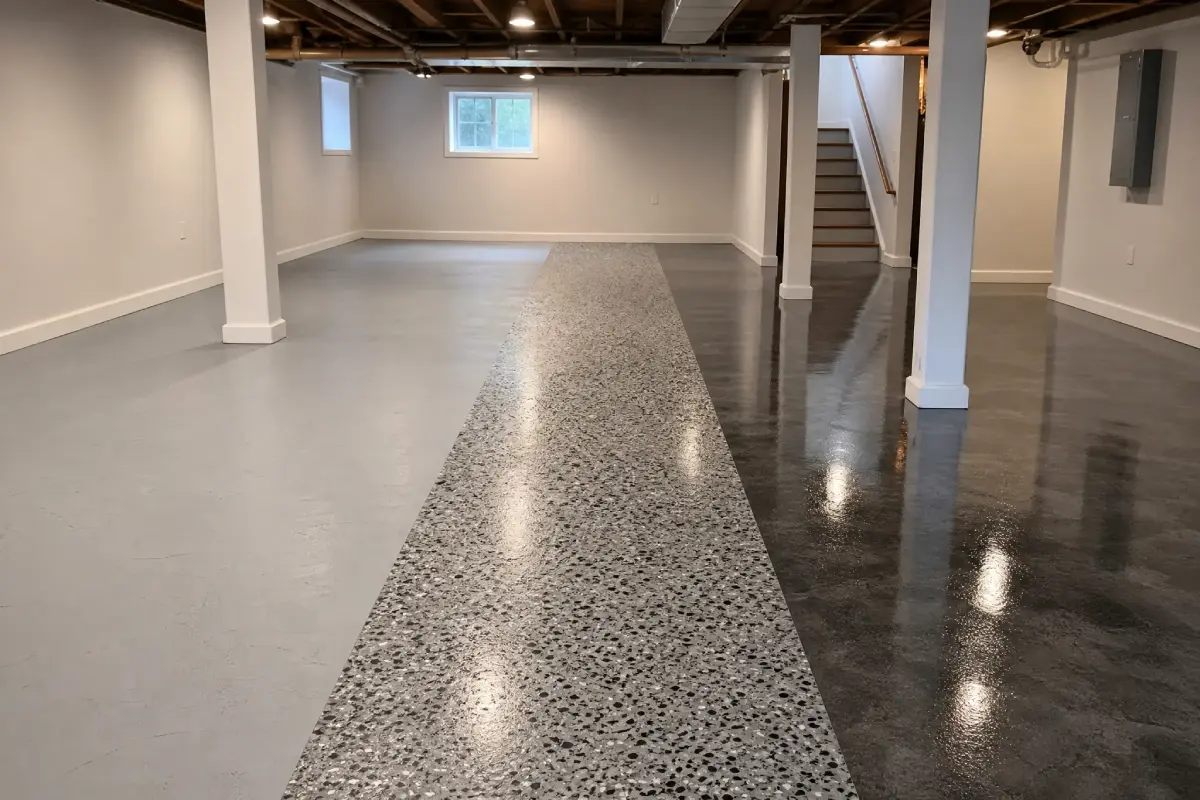
Polyurea outlasts both paint and epoxy on basement concrete floors. Paint peels within years; epoxy degrades under moisture and UV exposure. A polyurea basecoat topped with a polyaspartic clear coat is the basement floor coating system Specialty Concrete Coatings LLC has delivered across Pittsburgh and Northwest Pennsylvania — resisting abrasion, chemicals, and yellowing longest.
What Are the Key Takeaways for Basement Floor Finishes?
- Polyurea coatings last the longest, outperforming epoxy and paint with a lifespan exceeding 20 years.
- Epoxy floors typically last 5 to 10 years before chipping, peeling, or yellowing occurs.
- Basement floor paint ranks last in durability, requiring reapplication every 1 to 3 years.
- Specialty Concrete Coatings LLC in Sandy Lake, PA installs polyurea systems for maximum basement floor protection.
Why Does Your Basement Floor Finish Matter?
Basement concrete floor finish options determine how well a lower level holds up against the daily punishment concrete naturally attracts. Bare concrete cracks, absorbs moisture, and sheds fine dust — problems that worsen over time and limit how the space can actually be used.
Basements are among the most versatile rooms in a home. A single lower level might serve as a storage area one year, a home gym or game room the next. The right coating supports every one of those uses without requiring a floor replacement.
What Happens When Basement Concrete Goes Unprotected?
Unprotected concrete deteriorates steadily. Moisture seeps through the slab and cracks widen with seasonal temperature shifts — issues closely tied to broader home moisture problems that affect below-grade spaces. Dusting leaves a gritty film on everything stored at floor level. A professionally applied coating creates a sealed, durable barrier that stops that cycle before it starts.
Which Coating System Is Right for a Basement?
The answer depends on how the space is used — finished living area, utility room, or something in between. Specialty Concrete Coatings has been installing epoxy and polyurea floor systems for basements across Greater Pittsburgh and Northwest Pennsylvania for more than 15 years, matching each project to the demands of the specific environment.
Paint, Epoxy, or Polyurea: What Are the Differences?
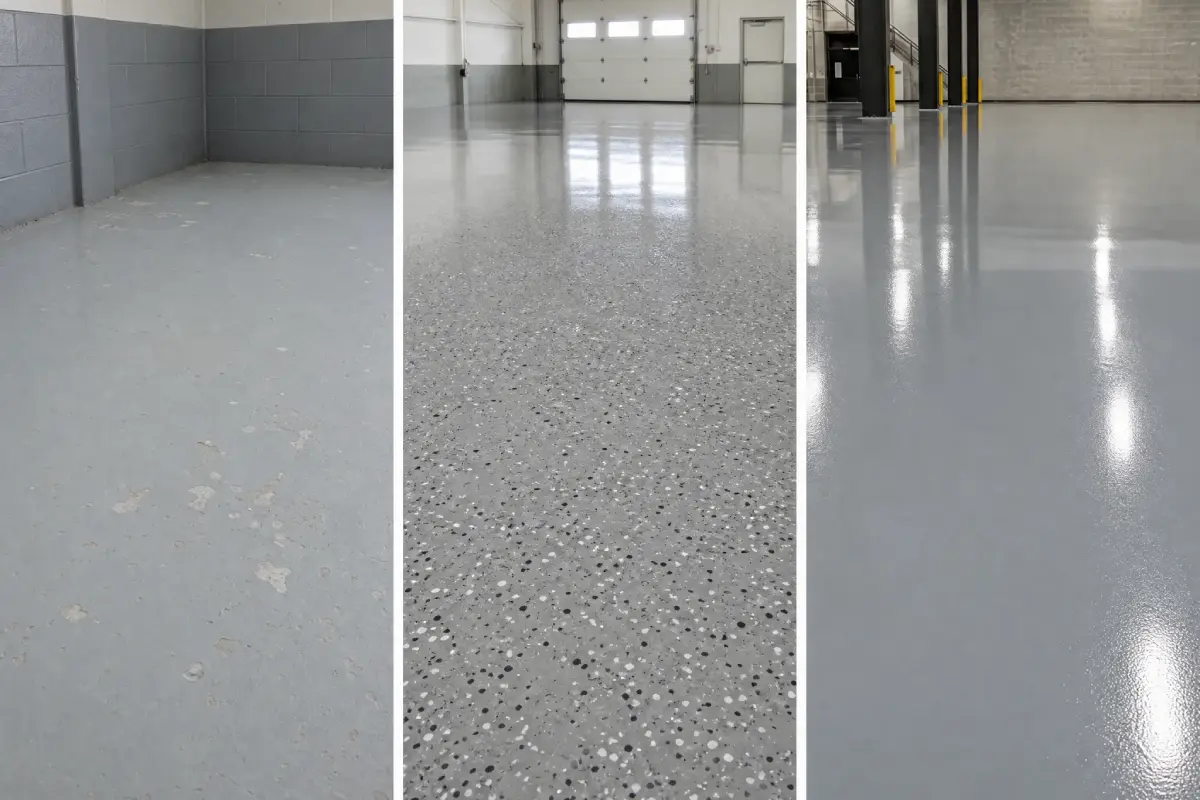
Basement concrete floor finish options fall into three broad categories — paint, epoxy, and polyurea — and the differences in durability, moisture resistance, and longevity are significant. Choosing the wrong material means premature peeling, moisture damage, and a floor that fails long before its time.
| Material | Durability | UV Stability |
| Floor Paint | Low | Poor |
| Epoxy | Moderate | Yellows over time |
| Polyurea / Polyaspartic | High | Excellent |
Floor paint is the most accessible option, but it offers the least protection. Paint bonds weakly to concrete and typically peels within a few seasons, especially in basements where moisture migrates through the slab.
Epoxy performs considerably better. Metallic epoxy basement floor systems, for example, rank among the top choices for finished basements, delivering both structural protection and visual appeal. The drawback is that standard epoxy yellows under UV exposure and can become brittle over time.
Why Do Professionals Recommend Polyurea Over Epoxy for Basements?
A polyurea basecoat is promoted as significantly stronger than traditional epoxy, a claim borne out by fast-curing polyurea case studies from active jobsites. Specialty Concrete Coatings tops that basecoat with a UV-stable polyaspartic clear coat engineered to resist yellowing, abrasion, and chemical exposure — weaknesses that sideline standard epoxy systems.
How Does a Quality Coating Protect the Foundation Itself?
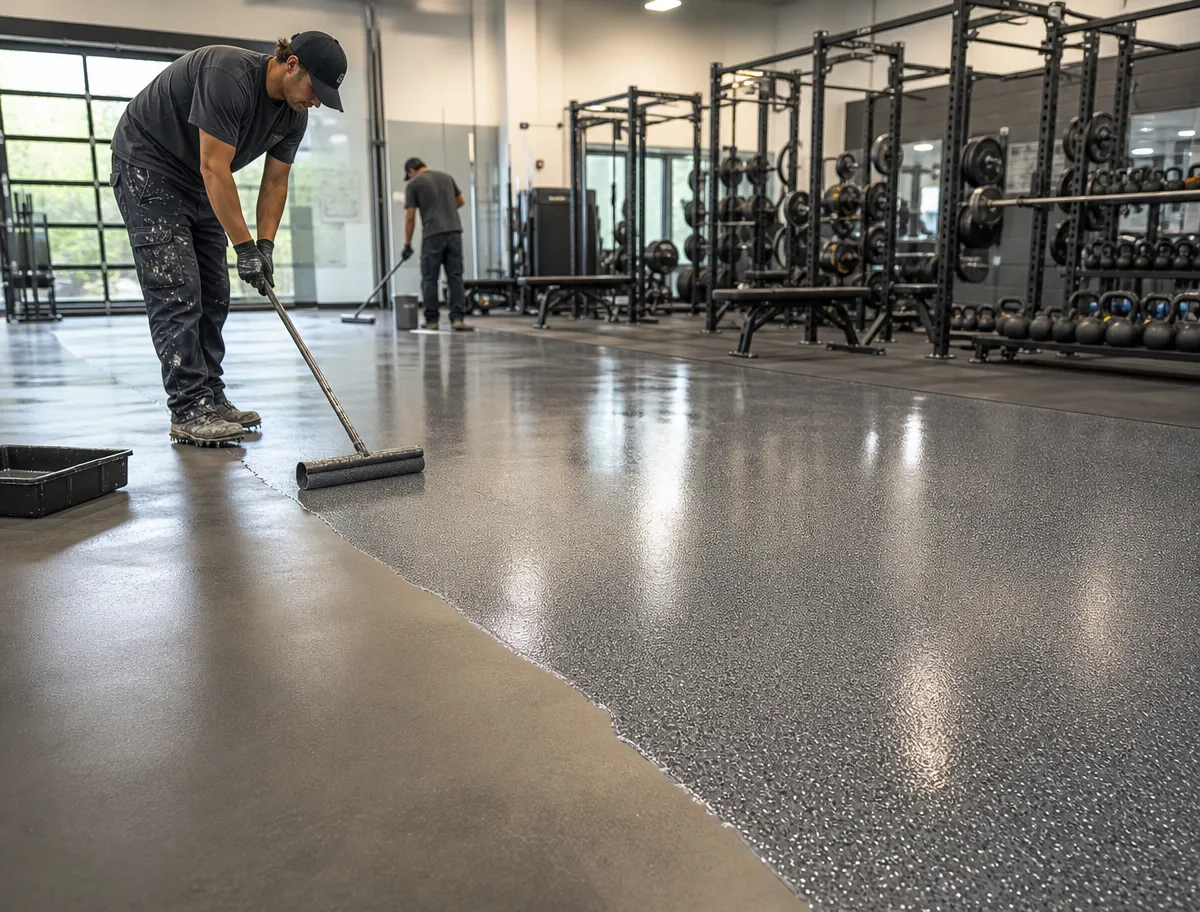
A strong, impermeable barrier does more than improve appearances. Specialty Concrete Coatings hand-broadcasts vinyl color chips over the basecoat for customized aesthetics and slip resistance, then seals the entire system under a final clear coat — transforming a damp, dusty space into a bright, durable, and fully usable room.
📞 Ready to Get Started? Don’t let another season pass with an unprotected basement floor. Contact Specialty Concrete Coatings LLC today for a fast, free quote on polyurea and epoxy basement flooring in Pittsburgh and Northwest Pennsylvania.
Which Basement Floor Finish Lasts the Longest?
Basement concrete floor finish options built on polyurea and polyaspartic technology consistently outperform traditional alternatives in long-term durability. Polyurea and polyurethane systems are recognized industry leaders for moisture-resistant basement applications, delivering a finish engineered to hold up against the demanding conditions concrete slabs face below grade.
What Makes a Basement Floor Coating Last Longer Than Others?
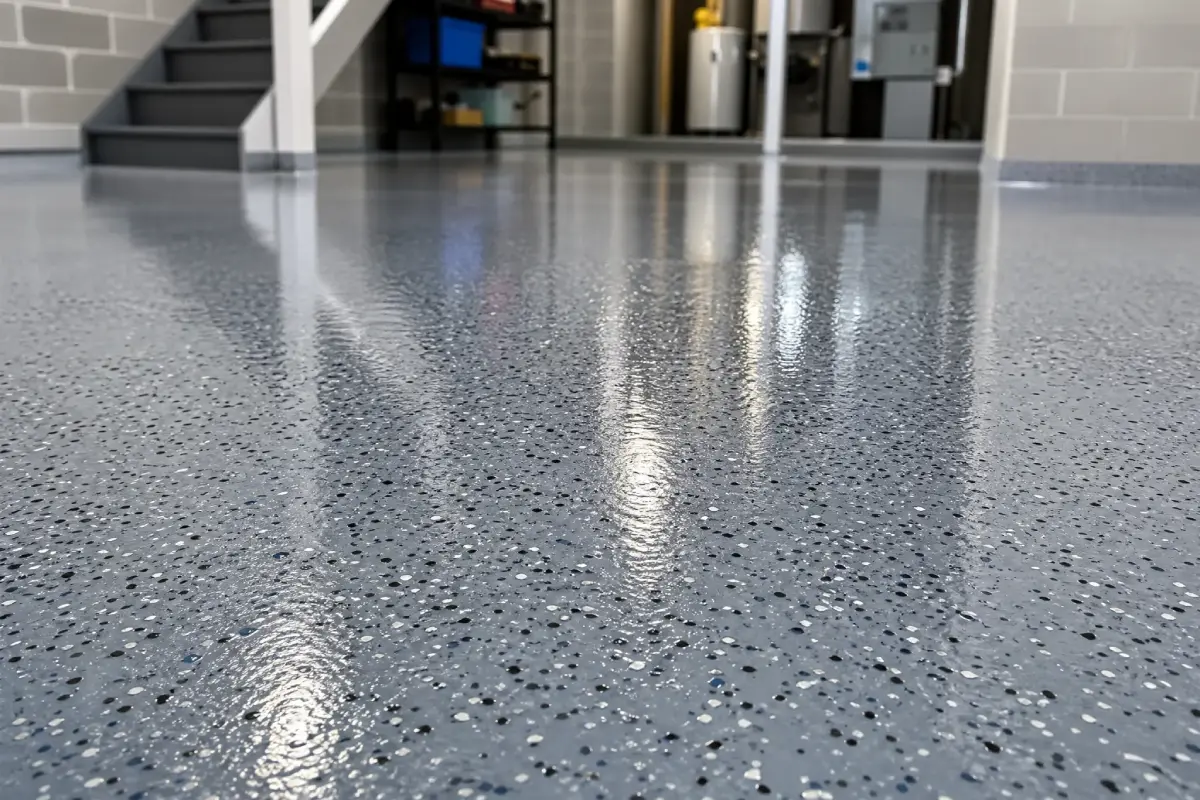
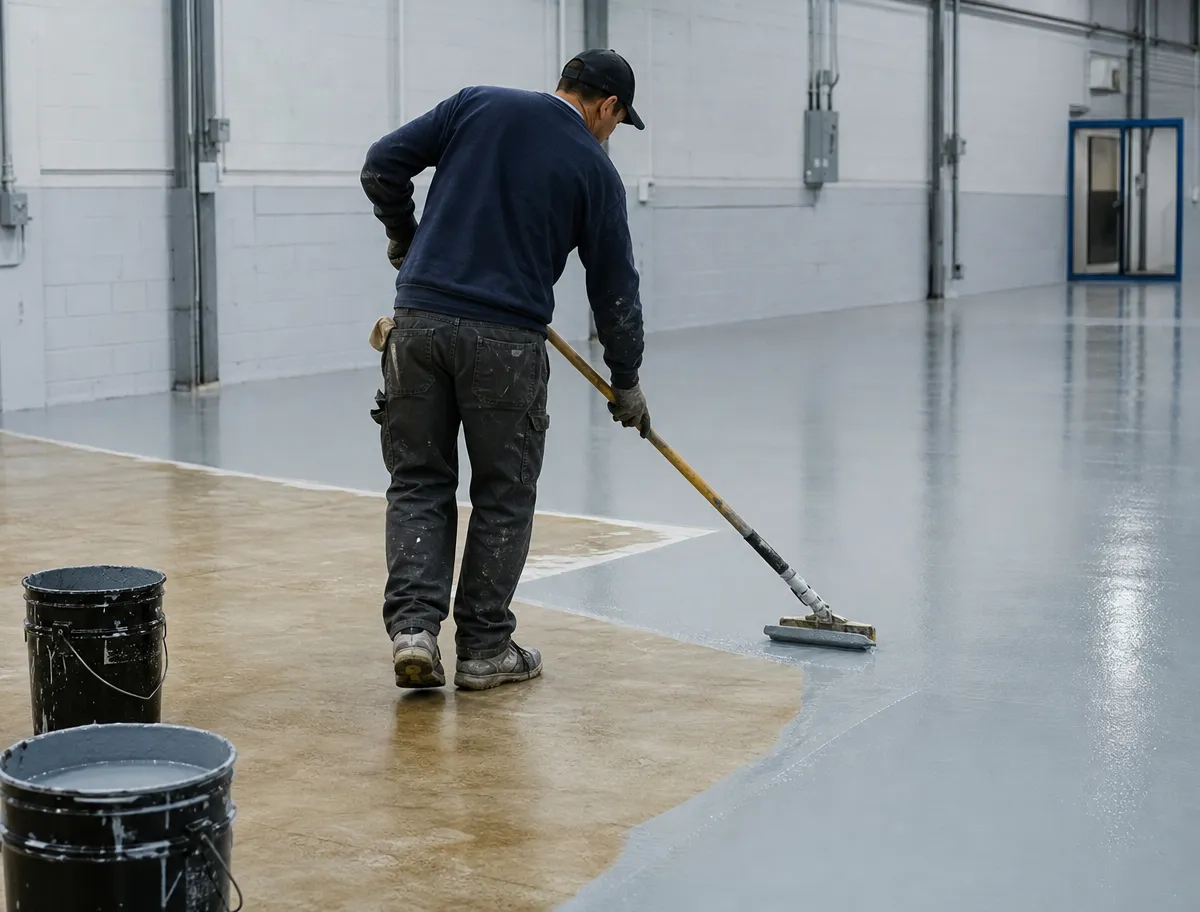
Surface preparation is the single greatest factor in coating longevity. Specialty Concrete Coatings grinds each slab down to bare material, repairs every crack with concrete mender — a process supported by research on coatings’ effect on concrete resistance — then seals the system under a UV-stable clear coat. That disciplined, multi-step process eliminates the adhesion failures that cause lesser coatings to peel, bubble, or delaminate prematurely.
Is a Professional Installation Worth the Investment for a Basement Floor?
Professional installation removes the guesswork that shortens a coating’s lifespan. Homeowners who invest in a properly installed system also gain access to warranty coverage and financing options, reducing the financial risk of a long-term floor upgrade — a factor worth weighing against whether polyaspartic is worth the extra cost.
Key reasons polyurea-based systems outlast alternatives:
- Moisture resistance prevents vapor-driven delamination
- Diamond-ground surface prep maximizes adhesion at the slab level
- UV-stable polyaspartic clear coat resists yellowing and surface wear
- Crack repair prior to coating stops damage from spreading beneath the finish
TL;DR — Basement Floor Finish Options at a Glance
- Floor paint is the least durable option, typically lasting only 1 to 3 years before it peels.
- Epoxy offers moderate durability, usually lasting 5 to 10 years before yellowing or chipping sets in.
- Polyurea with a polyaspartic clear coat delivers the longest lifespan, often exceeding 20 years.
- Diamond-ground surface prep and crack repair are essential for any coating system to bond properly.
- Professional installation adds warranty coverage and reduces the risk of premature coating failure.
- Next step: contact Specialty Concrete Coatings LLC for a free basement floor coating quote.
Frequently Asked Questions
Which basement floor finish lasts the longest?
Polyurea outlasts both paint and epoxy, with a lifespan exceeding 20 years, resisting abrasion, chemicals, and yellowing that cause other coatings to fail prematurely.
How long does epoxy flooring last in a basement?
Epoxy floors typically last 5 to 10 years before chipping, peeling, or yellowing occurs, making them a moderate-durability option compared to polyurea systems.
How often does basement floor paint need to be reapplied?
Floor paint requires reapplication every 1 to 3 years because it bonds weakly to concrete and peels quickly, especially where moisture migrates through the slab.
Is polyurea more expensive than epoxy for basement floors?
Polyurea typically costs more upfront than epoxy, but its 20-plus year lifespan and lower need for reapplication often make it the better long-term value for basement floors.
Can basement floor coatings be installed over cracked concrete?
Yes, but cracks must be repaired with concrete mender and the slab diamond-ground before coating. Skipping this prep is one of the main reasons coatings fail prematurely.
Related Resources
- Basement Epoxy Floor Coatings
- Pittsburgh, PA Concrete Coating Company
- How Long Does a Polyaspartic Floor Last?
- Polyaspartic Floor Coating Cost
- Choosing Between Epoxy and Polyurea for Your Garage Floor
- Why Concrete Coatings Are a Must for Sandy Lake Homes
Get a Free Basement Floor Coating Quote
When comparing basement concrete floor finish options, the evidence is clear: paint fades and needs reapplying every one to three years, standard epoxy yellows and chips within a decade, and polyurea-based systems — topped with a UV-stable polyaspartic clear coat — consistently deliver the longest-lasting results for below-grade concrete slabs. The right system matched to the right installation process is what separates a floor that lasts twenty-plus years from one that needs replacing in five. Contact Specialty Concrete Coatings LLC today for a free, no-obligation quote.
About Specialty Concrete Coatings LLC: Specialty Concrete Coatings LLC has served Sandy Lake, Pittsburgh, and Northwest Pennsylvania for more than 15 years, specializing in epoxy and polyurea floor coating systems for basements, garages, and commercial spaces. Contact us today for a free, no-obligation quote.